
Ready to Embark on an Exciting Journey with WIN?
Take the first step toward personal and financial freedom by filling out the interest form. One of our franchise advocates will be in touch with you soon!

Ranked #1 Home Inspection Company in the U.S.


Ranked #1 Home Inspection Company in the U.S.
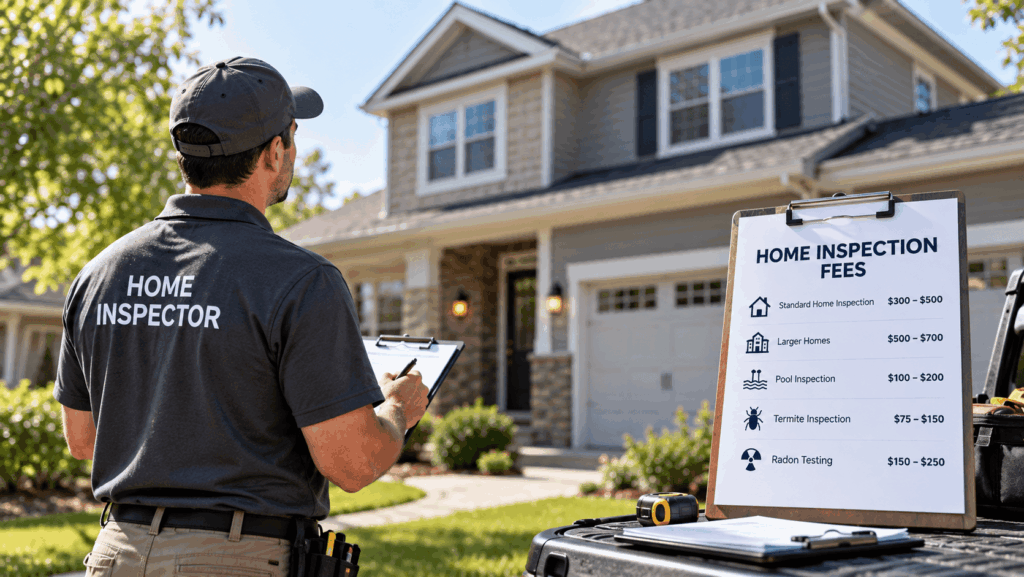
Given the significant role they play for home buyers and sellers in a real estate transaction, home inspectors are highly valued, making it a lucrative career option. It’s an attractive field for entrepreneurs who enjoy problem-solving, have an eye for detail, and are interested in construction and real estate. Moreover, home inspectors can choose to work independently, be part of a larger company, or even consider opening a franchise, which provides a level of flexibility that is attractive to many.
In this field, every day brings new learning opportunities. According to a report by IBISWorld, the home inspection industry in the United States is expected to generate a revenue of around $5 billion in 2023. As the real estate market continues to grow and evolve, the demand for skilled, professional home inspectors is likely to increase, making it a viable and promising career path for the foreseeable future.
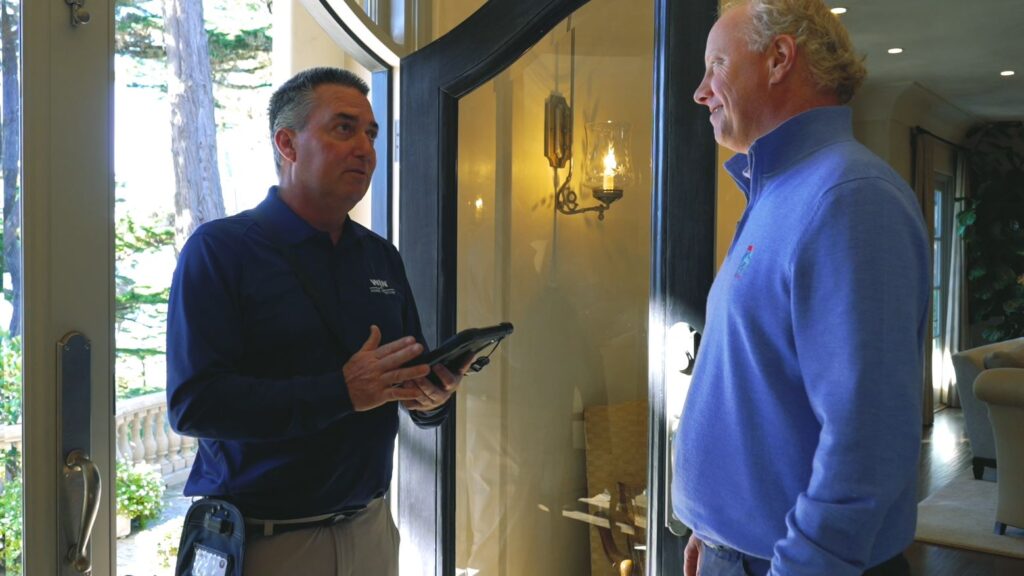
A home inspector is a professional trained and certified to evaluate the physical condition of a residential property. They are usually hired when a property is under contract. This means a potential buyer has made an offer that the seller has accepted, but the sale is contingent upon the home inspection. This inspection is an opportunity to identify any major issues that could affect the home’s value or require expensive repairs.
The overall assessment and inspection report provided by home inspectors are vital in the real estate industry, offering important insights to buyers, sellers, and real estate agents. Their reports allow potential homeowners to understand the home’s structural and functional integrity. As such, the results of a home inspection can significantly influence the outcome of a property sale, reinforcing the essential role of the home inspector in this process.
Home inspectors have a wide range of responsibilities during a home inspection. Here are some areas of the home they focus on:
The inspector evaluates the home’s structural components, such as the foundation, walls, floors, roof, to determine their structural integrity. They check for cracks in the foundation, sagging roofs, or any other signs of potential structural issues that could pose safety hazards or require major repairs.
Home inspectors look at the external features of the property, including siding, windows, doors, and other exterior components. They also inspect the drainage, elevation, and overall condition of the property to determine whether there are issues such as soil erosion, water damage, or poor drainage.
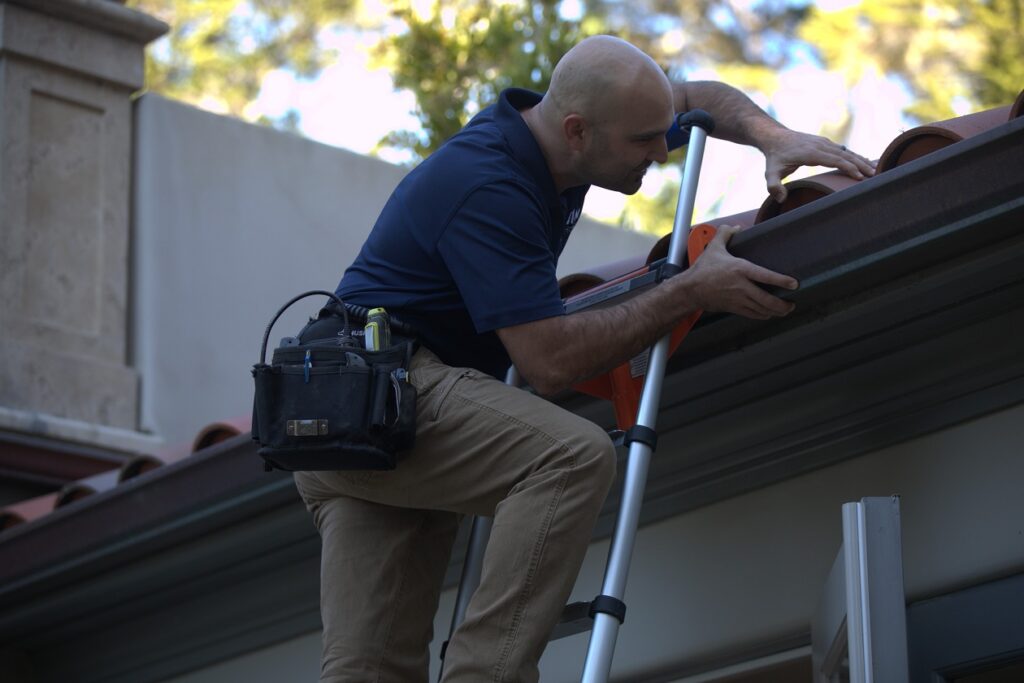
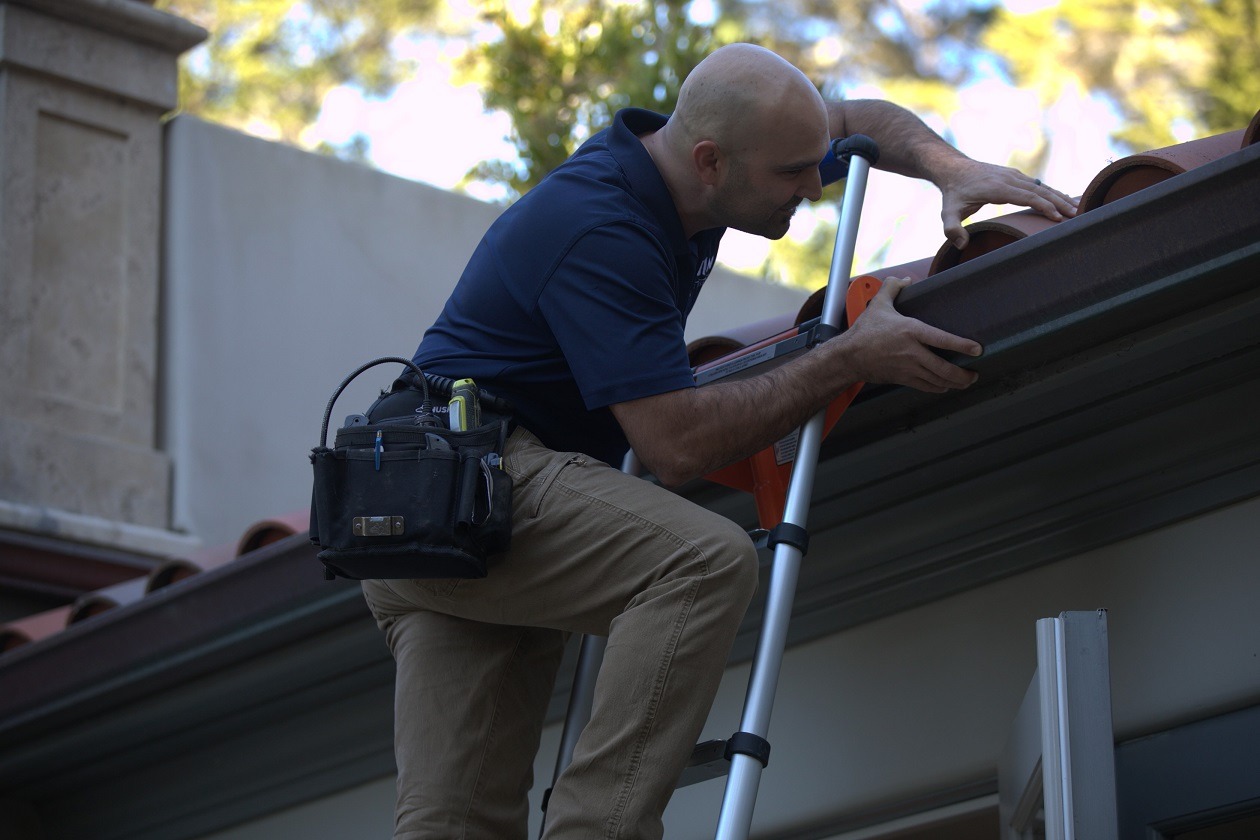
The roof and attic inspection involves checking for leaks, and inspecting the condition of the shingles, gutters, flashings, and chimneys. In the attic, they assess ventilation, insulation, and potential water damage or rodent activity.
Inspectors evaluate the home’s plumbing system, including drains, pipes, and water heating equipment. They’re looking for leaks, functional drainage, adequate water flow, and the condition of the water heater.
An essential part of the inspection is reviewing the electrical system. Home inspectors check the electrical panels, circuits, outlets, and light fixtures to ensure they meet safety standards.
The heating, ventilation, and air conditioning (HVAC) systems are also inspected to confirm they’re working correctly. Inspectors check the condition of the furnace, air conditioning unit, ductwork, and thermostats.
Inspectors evaluate the conditions of the interior parts of the home, including walls, ceilings, floors, windows, doors, and stairs. They’re checking for functionality and potential safety issues.
Inspectors assess the insulation and ventilation in key areas, such as the attic, basements, and crawl spaces. They’re looking for adequate insulation and proper ventilation, which affects energy efficiency and indoor air quality.
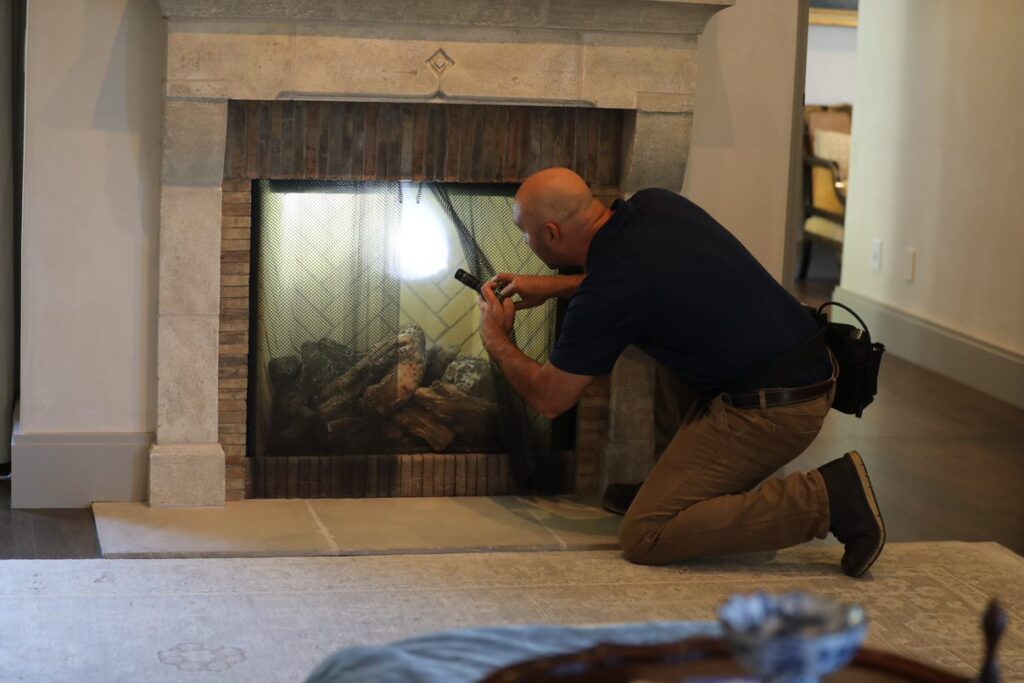
If the home has a fireplace, inspectors will evaluate its condition and safety, checking the structure, vent, and flue.
Basements and garages are also inspected for signs of water intrusion, structural damage, or safety issues.
Inspectors verify the functionality of safety features, such as smoke detectors, carbon monoxide detectors, and fire extinguishers.
While home inspectors cover a wide range of areas, there are some specialized services usually not included in a standard home inspection. As a professional home inspector, you can provide an essential service to members of your community as well as offer value-added services to not only help protect their health and safety but also generate more revenue for your business.
Radon is a naturally occurring, radioactive gas that can be found in the air or water supply of homes and is the leading cause of lung cancer among nonsmokers. Radon testing is usually not included in a standard home inspection, but it is highly recommended to test every 2 years.
Although home inspectors can identify potential mold, a separate mold test may be needed to determine the type and extent of the mold problem. This could be an air sample or a surface sample and typically requires partnering with an accredited lab to have the samples properly examined.
Infrared scans use thermal technology to help detect issues not visible to the naked eye, like insulation gaps, electrical hazards, or hidden water leaks. This service is not usually included in a standard inspection but is essential in maintaining a safe and healthy home.
This involves using a specialized scope camera to inspect the interior condition of the sewer line. By seeing deep into the sewer lines, home inspectors can see damage to the pipe, debris, or blockages. This service is typically not included in a standard home inspection, it may be necessary for older homes.
Testing the quality of the air and water in the home for contaminants is usually outside the scope of a standard home inspection, but it is critical to ensure safe indoor air and drinking water. Samples will need to be collected and assessed by an accredited lab, but knowing this information can be lifesaving.
While a standard home inspection covers a broad range of areas, certain specific tests or inspections may require additional services by a home inspector or other professionals. This is where comprehensive training is most valuable, such as the in-house training by WIN Home Inspection. They train their inspectors to go beyond the traditional role of a home inspector, offering a range of services that can address the additional needs of homeowners while providing them with multiple income opportunities throughout the year.
If you’re aspiring to become a home inspector, there are various paths to consider, including starting as an independent inspector, working for a company, or investing in a home inspection franchise. Each option has its pros and cons, but the franchise model is often more appealing to new entrepreneurs.
Starting a home inspection franchise provides a variety of benefits, including established brand recognition, access to a proven business model, ongoing training, and support in marketing and operations. This model enables new business owners to hit the ground running, shortening the time it takes to establish their business and start generating revenue.
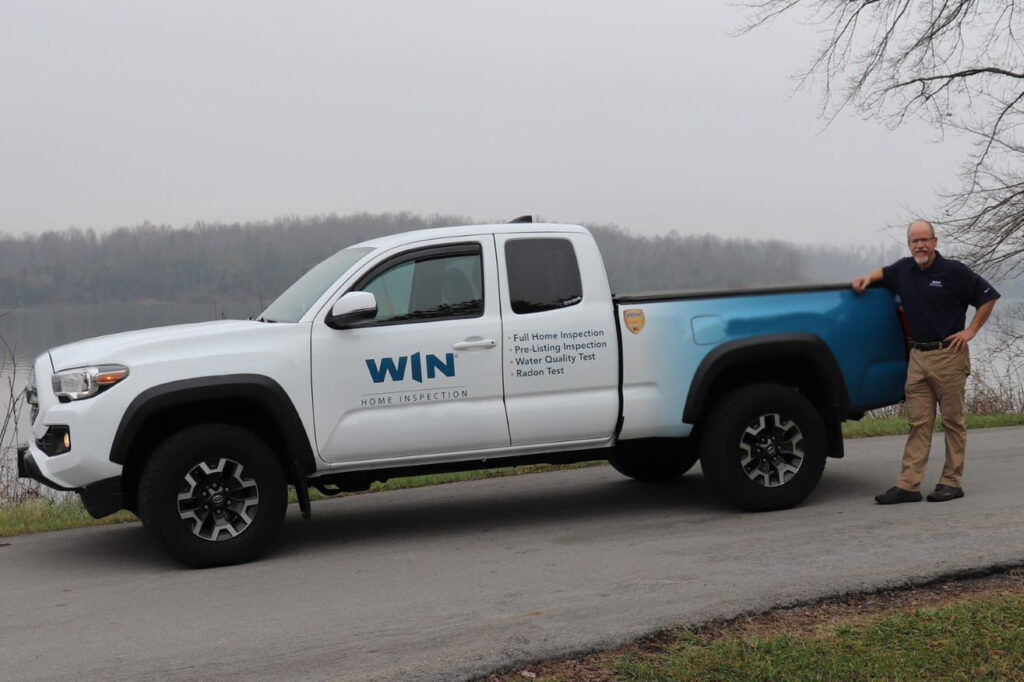
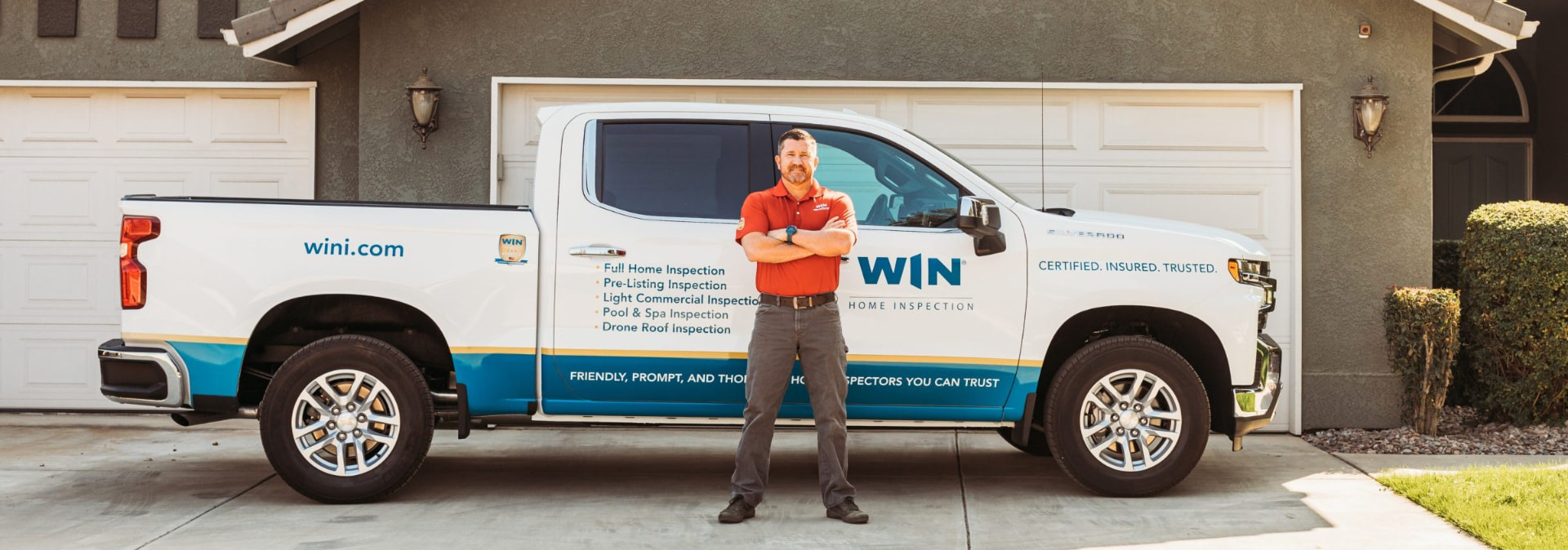
Among the available franchise opportunities, WIN Home Inspection stands out as a leading choice. Ranked as the #1 and the fastest-growing home inspection franchise in the U.S., WIN offers a unique business opportunity to its franchise owners that set it apart in the industry.
WIN provides in-house training and certifications for more than 35 essential services, far surpassing the standard home inspection service list. This extensive list of services enables WIN home inspectors to deliver a more complete experience to their clients while generating multiple income streams throughout the year. Moreover, WIN Home Inspection supports its franchise owners with end-to-end marketing support to help generate new client leads and create a distinct local presence.
Ongoing support is another significant advantage of joining the WIN Home Inspection franchise. New business owners receive support at every step, from launching their business to managing day-to-day operations to growing their business. This support system can significantly reduce the challenges and learning curve that comes with starting a business independently.
Home inspectors are essential during the real estate process, for both buyers and sellers. They have various responsibilities, including inspecting structural elements, checking various systems, evaluating exteriors and interiors, and assessing safety features. They provide a comprehensive and unbiased overview of the home, ensuring potential homeowners have the information they need to make an informed decision about the purchase.
While a standard home inspection covers many components of the home, certain health and environmental tests, such as radon tests, mold test, infrared scans, sewer scope inspections, and air and water quality tests, are usually not part of a regular home inspection but could add significant value to the home buyer.
For those aspiring to become home inspectors, starting a franchise, especially with a rapidly growing and nationally recognized organization like WIN Home Inspection, provides numerous benefits over going independent or working for a company.
Array
(
    [0] => WP_Post Object
        (
            [ID] => 30699
            [post_author] => 10
            [post_date] => 2025-05-15 15:25:06
            [post_date_gmt] => 2025-05-15 19:25:06
            [post_content] =>
Hailey Rodriguez is a Sr. Content Marketing Specialist with over 10 years of experience writing content. A graduate of UNC Charlotte, she holds a BA in Communications with a focus in Public Relations and Marketing. Based in Raleigh, NC, Hailey specializes in crafting engaging content around franchising, home inspection, real estate, and home services. She’s passionate about making complex topics accessible and useful for first-time home buyers, homeowners and industry professionals alike. When she’s not writing, you can find her exploring new destinations—always with a notebook in hand.

            [post_title] => Hailey Rodriguez
            [post_excerpt] =>
            [post_status] => publish
            [comment_status] => closed
            [ping_status] => closed
            [post_password] =>
            [post_name] => hailey-rodriguez
            [to_ping] =>
            [pinged] =>
            [post_modified] => 2026-08-03 08:34:13
            [post_modified_gmt] => 2026-08-03 12:34:13
            [post_content_filtered] =>
            [post_parent] => 0
            [guid] => https://dev.winfranchising.com/?post_type=authoruser&p=30699
            [menu_order] => 0
            [post_type] => authoruser
            [post_mime_type] =>
            [comment_count] => 0
            [filter] => raw
        )

)
Given the significant role they play for home buyers and sellers in a real estate transaction, home inspectors are highly valued, making it a lucrative career option. It’s an attractive field for entrepreneurs who enjoy problem-solving, have an eye for detail, and are interested in construction and real estate. Moreover, home inspectors can choose to work independently, be part of a larger company, or even consider opening a franchise, which provides a level of flexibility that is attractive to many.
In this field, every day brings new learning opportunities. According to a report by IBISWorld, the home inspection industry in the United States is expected to generate a revenue of around $5 billion in 2023. As the real estate market continues to grow and evolve, the demand for skilled, professional home inspectors is likely to increase, making it a viable and promising career path for the foreseeable future.
A home inspector is a professional trained and certified to evaluate the physical condition of a residential property. They are usually hired when a property is under contract. This means a potential buyer has made an offer that the seller has accepted, but the sale is contingent upon the home inspection. This inspection is an opportunity to identify any major issues that could affect the home’s value or require expensive repairs.
The overall assessment and inspection report provided by home inspectors are vital in the real estate industry, offering important insights to buyers, sellers, and real estate agents. Their reports allow potential homeowners to understand the home’s structural and functional integrity. As such, the results of a home inspection can significantly influence the outcome of a property sale, reinforcing the essential role of the home inspector in this process.
Home inspectors have a wide range of responsibilities during a home inspection. Here are some areas of the home they focus on:
The inspector evaluates the home’s structural components, such as the foundation, walls, floors, roof, to determine their structural integrity. They check for cracks in the foundation, sagging roofs, or any other signs of potential structural issues that could pose safety hazards or require major repairs.
Home inspectors look at the external features of the property, including siding, windows, doors, and other exterior components. They also inspect the drainage, elevation, and overall condition of the property to determine whether there are issues such as soil erosion, water damage, or poor drainage.
The roof and attic inspection involves checking for leaks, and inspecting the condition of the shingles, gutters, flashings, and chimneys. In the attic, they assess ventilation, insulation, and potential water damage or rodent activity.
Inspectors evaluate the home’s plumbing system, including drains, pipes, and water heating equipment. They’re looking for leaks, functional drainage, adequate water flow, and the condition of the water heater.
An essential part of the inspection is reviewing the electrical system. Home inspectors check the electrical panels, circuits, outlets, and light fixtures to ensure they meet safety standards.
The heating, ventilation, and air conditioning (HVAC) systems are also inspected to confirm they’re working correctly. Inspectors check the condition of the furnace, air conditioning unit, ductwork, and thermostats.
Inspectors evaluate the conditions of the interior parts of the home, including walls, ceilings, floors, windows, doors, and stairs. They’re checking for functionality and potential safety issues.
Inspectors assess the insulation and ventilation in key areas, such as the attic, basements, and crawl spaces. They’re looking for adequate insulation and proper ventilation, which affects energy efficiency and indoor air quality.
If the home has a fireplace, inspectors will evaluate its condition and safety, checking the structure, vent, and flue.
Basements and garages are also inspected for signs of water intrusion, structural damage, or safety issues.
Inspectors verify the functionality of safety features, such as smoke detectors, carbon monoxide detectors, and fire extinguishers.
While home inspectors cover a wide range of areas, there are some specialized services usually not included in a standard home inspection. As a professional home inspector, you can provide an essential service to members of your community as well as offer value-added services to not only help protect their health and safety but also generate more revenue for your business.
Radon is a naturally occurring, radioactive gas that can be found in the air or water supply of homes and is the leading cause of lung cancer among nonsmokers. Radon testing is usually not included in a standard home inspection, but it is highly recommended to test every 2 years.
Although home inspectors can identify potential mold, a separate mold test may be needed to determine the type and extent of the mold problem. This could be an air sample or a surface sample and typically requires partnering with an accredited lab to have the samples properly examined.
Infrared scans use thermal technology to help detect issues not visible to the naked eye, like insulation gaps, electrical hazards, or hidden water leaks. This service is not usually included in a standard inspection but is essential in maintaining a safe and healthy home.
This involves using a specialized scope camera to inspect the interior condition of the sewer line. By seeing deep into the sewer lines, home inspectors can see damage to the pipe, debris, or blockages. This service is typically not included in a standard home inspection, it may be necessary for older homes.
Testing the quality of the air and water in the home for contaminants is usually outside the scope of a standard home inspection, but it is critical to ensure safe indoor air and drinking water. Samples will need to be collected and assessed by an accredited lab, but knowing this information can be lifesaving.
While a standard home inspection covers a broad range of areas, certain specific tests or inspections may require additional services by a home inspector or other professionals. This is where comprehensive training is most valuable, such as the in-house training by WIN Home Inspection. They train their inspectors to go beyond the traditional role of a home inspector, offering a range of services that can address the additional needs of homeowners while providing them with multiple income opportunities throughout the year.
If you’re aspiring to become a home inspector, there are various paths to consider, including starting as an independent inspector, working for a company, or investing in a home inspection franchise. Each option has its pros and cons, but the franchise model is often more appealing to new entrepreneurs.
Starting a home inspection franchise provides a variety of benefits, including established brand recognition, access to a proven business model, ongoing training, and support in marketing and operations. This model enables new business owners to hit the ground running, shortening the time it takes to establish their business and start generating revenue.
Among the available franchise opportunities, WIN Home Inspection stands out as a leading choice. Ranked as the #1 and the fastest-growing home inspection franchise in the U.S., WIN offers a unique business opportunity to its franchise owners that set it apart in the industry.
WIN provides in-house training and certifications for more than 35 essential services, far surpassing the standard home inspection service list. This extensive list of services enables WIN home inspectors to deliver a more complete experience to their clients while generating multiple income streams throughout the year. Moreover, WIN Home Inspection supports its franchise owners with end-to-end marketing support to help generate new client leads and create a distinct local presence.
Ongoing support is another significant advantage of joining the WIN Home Inspection franchise. New business owners receive support at every step, from launching their business to managing day-to-day operations to growing their business. This support system can significantly reduce the challenges and learning curve that comes with starting a business independently.
Home inspectors are essential during the real estate process, for both buyers and sellers. They have various responsibilities, including inspecting structural elements, checking various systems, evaluating exteriors and interiors, and assessing safety features. They provide a comprehensive and unbiased overview of the home, ensuring potential homeowners have the information they need to make an informed decision about the purchase.
While a standard home inspection covers many components of the home, certain health and environmental tests, such as radon tests, mold test, infrared scans, sewer scope inspections, and air and water quality tests, are usually not part of a regular home inspection but could add significant value to the home buyer.
For those aspiring to become home inspectors, starting a franchise, especially with a rapidly growing and nationally recognized organization like WIN Home Inspection, provides numerous benefits over going independent or working for a company.
Once you become a home inspector, there will be several…Read More
So you want to start a business? Great idea. Being…Read More

Business owners rely on a loyal customer base to expand…Read More
Take the first step toward personal and financial freedom by filling out the interest form. One of our franchise advocates will be in touch with you soon!
BE YOUR OWN BOSS
Download our free guide to learn how to start a home inspection business, and discover what it takes to build your own inspection business.