


Ready to Embark on an Exciting Journey with WIN?
Take the first step toward personal and financial freedom by filling out the interest form. One of our franchise advocates will be in touch with you soon!



A layoff can be tough, especially if unexpected. But there may also be a silver lining.
When you get laid off, you can take the time to reconsider what you want from your career. Instead of immediately looking for another job, you may want to explore the possibility of becoming your own boss. For some, that might mean starting a business from the ground up based on an idea they’ve sat on for years. For others, the benefits of a turn-key franchise are appealing.
Which leads us to the following question: What is a good business to start after a layoff?
The answer depends on your skills, finances, experience, goals, and how much time and money you’re willing to invest. Options can include home-based businesses, service businesses, buying an existing business, or investing in a franchise.
Which one are you leaning toward? After reading this guide, the answer for you may become obvious.
Starting a business after being laid off can be an exciting thought. After all, it gives you more control over your work and the opportunity to build something yourself. However, business ownership isn’t for everyone. It comes with financial and operational responsibilities.
Before getting started, consider:
A good business for you to run should match your skills, resources, interests, and market needs. You want to be good at what you do and enjoy it, but there also needs to be a demand for it.
When comparing opportunities, consider:
Not everyone will be drawn to the same business ideas. But here are some proven businesses that can help you build a lucrative, sustainable company.
A home-based business means you don’t need to buy into a traditional storefront. It can be a lower-cost option, with few financial barriers to begin. Depending on the business, options may include consulting, professional services, online businesses, marketing, and specialized freelance services.
Overhead expenses are cheaper. However, home-based businesses are not always low-cost. You still need to understand your market, customers, expenses, and revenue model before you start investing any funds into your idea.
Service businesses allow you to build a company around skills rather than physical products. For some, this is the no-brainer avenue based on the skillset or experience.
Examples include:
These businesses can be particularly relevant for people who prefer working directly with customers and building local relationships.
Another option is buying an established business with existing customers, employees, equipment, and systems. This option opens the doors to many possible industries and can be a good choice if there is a viable business you’re interested in that you can afford.
However, you need to carefully review the business’s financial records, liabilities, contracts, operations, and customer base before making an offer.
Also Read: Buying an Existing Business
A franchise provides another path to business ownership, one that allows you to jump right in. Instead of creating every part of the business yourself, you operate under an established brand and business model.
Depending on the franchise, you may receive training, marketing support, technology, operational guidance, and other resources. In return, franchise owners typically pay an initial investment and ongoing fees. Not all franchises are the same, which is why you need to do your research.
If you decide to start a business, start with research rather than spending money right away. Create a business plan, along with other steps, to see if your intended path forward makes sense.
Consider your professional experience, technical skills, certifications, relationships, and areas of expertise. Ask yourself what problems you can solve and what customers might pay you to solve.
Compare customer demand, competitors, pricing, startup costs, licensing requirements, insurance, and operating expenses.
Outline what you’ll sell, who your customers are, how you’ll reach them, your expected expenses, how much money you’ll need, and how you plan to grow.
Calculate both startup costs and the working capital you’ll need while establishing the business. Don’t focus only on the purchase price or initial investment.
Think about how you’ll generate business through referrals, networking, digital marketing, partnerships, local advertising, or your existing professional relationships.
Home services can be an option for people who want to build a local service business. The category includes cleaning, pest control, landscaping, maintenance, HVAC, plumbing, electrical services, and home inspection.
When comparing home service businesses, consider:
Your previous career can also influence which business makes sense.
For example, someone with construction experience may already understand residential properties, while someone from sales or real estate may have experience building relationships with customers and professionals.
A home inspection business combines technical knowledge, customer service, and business development.
People with backgrounds in construction, real estate, engineering, skilled trades, property management, sales, or customer service may find their existing skills useful in the industry.
If you’re wondering how to start a home inspection business, start with the initial steps. Depending on the state, becoming a home inspector may require specific education, examinations, licensing, insurance, or other qualifications. Research your state’s requirements before starting.
You can also look into buying a home inspection franchise to receive structured support every step of the way.
If you want to become a business owner, compare building an independent business with buying a franchise to better understand how franchising works.
| Starting From Scratch | Franchise |
|---|---|
| Create your own brand | Operate under an established brand |
| Develop your own business model | Use an established business model |
| Build processes yourself | Access established systems |
| Develop your own training | May receive structured training |
| Build marketing independently | May receive marketing support |
Starting independently offers greater control, while a franchise may offer more structure and support.
Neither option is automatically right for everyone. Consider your finances, experience, goals, and preferred level of independence.
Franchise costs vary by industry and brand. When evaluating an opportunity, consider the total investment, not just the initial franchise fee.
Costs may include:
If you’re researching franchises under $50,000, make sure you understand what is included in the advertised investment and how much additional working capital you may need.
Review the Franchise Disclosure Document (FDD) carefully and consider consulting qualified legal and financial professionals before investing.
You can find answers to your home inspection franchise cost questions by checking out WIN’s cost guide.
Franchise owner income varies based on factors such as industry, location, revenue, expenses, staffing, owner involvement, and business scale.
When comparing opportunities, don’t rely only on an advertised income figure. Understand how the numbers were calculated, what expenses are included, and whether the information applies to businesses similar to the one you’re considering.
A franchise may be worth considering if you want to become a business owner but prefer an established model and support structure.
Look at:
Talk with current and former franchisees to better understand the day-to-day experience before making a decision.
If you’re interested in the home services industry but don’t have experience running a home inspection company, a franchise can provide a structured way to enter the industry.
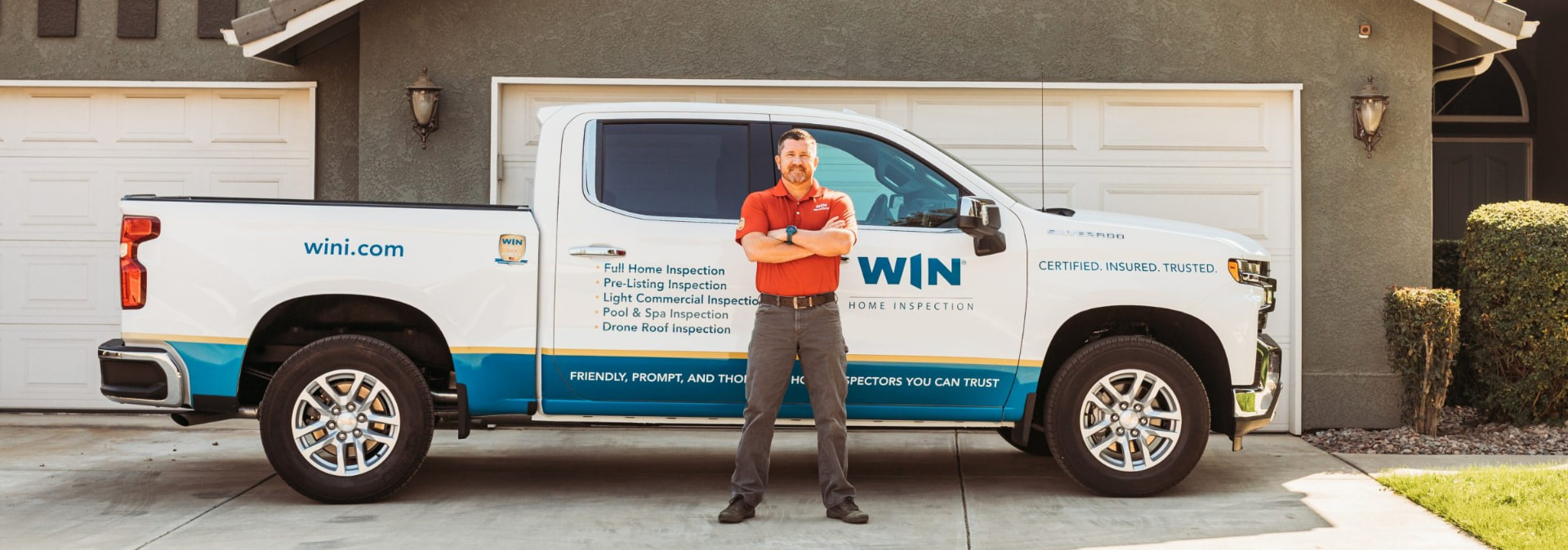
WIN Home Inspection provides franchise owners with training, technology, marketing resources, and business support.
The opportunity may be relevant to people coming from construction, real estate, sales, corporate roles, skilled trades, and other professional backgrounds. Before investing, evaluate the total investment, licensing requirements, training, territory, ongoing fees, and support provided.
The right business depends on your skills, available capital, experience, location, and goals. Options include home-based businesses, service businesses, home services, and franchises.
Identify your skills, research business opportunities, create a business plan, calculate startup and operating costs, understand licensing requirements, and develop a plan to attract customers.
No single option is best for everyone. Compare home service businesses based on demand, startup costs, training, licensing, competition, equipment, scalability, and your existing skills.
Research your state’s licensing and education requirements, complete any required training and examinations, obtain appropriate insurance, establish your inspection process, and develop a plan for marketing and acquiring customers.
Costs vary by franchise and industry. Consider the initial fee, equipment, technology, insurance, working capital, ongoing royalties, and other expenses when calculating the total investment.
Franchise owner income varies based on the industry, location, revenue, expenses, staffing, owner involvement, and other factors. Review the financial information available in the FDD when evaluating a specific opportunity.
A franchise can provide an established brand, business model, training, and support, but it also requires an investment and ongoing obligations. Evaluate the specific opportunity based on your financial situation, goals, and experience.
It may be worth researching for someone interested in business ownership and the home services industry. Before investing, evaluate the investment, licensing requirements, training, support, territory, ongoing fees, and your own career goals.