


Ready to Embark on an Exciting Journey with WIN?
Take the first step toward personal and financial freedom by filling out the interest form. One of our franchise advocates will be in touch with you soon!



Owning a franchise lets you run your own business with the backing of an established brand, and the franchise training program is what makes that partnership work. Good training teaches new owners how daily operations run, gives them the confidence to make decisions early on, and shows them how to follow a proven business model. It also keeps every location true to the parent company’s standards, so franchisees can get the most out of the system. In this guide, we’ll break down what makes a strong franchise training program and how to evaluate one before you commit.
A franchise training program is a structured set of educational modules designed to teach franchisees the necessary knowledge and skills they need to succeed. It serves to ensure that franchisees can replicate the parent company’s business model effectively, ensuring consistency in operations, customer experience, and brand image as well as be successful in the line of work. A well-structured training program plays a pivotal role in ensuring a franchisee’s success and profitability.

When considering a franchise opportunity, it’s vital not only to understand what training is offered, but also to assess its quality. Quality training can make the difference between thriving and barely surviving in the competitive franchise landscape. Here are the key aspects to consider when evaluating the quality of a franchise training program.
The curriculum should be directly related to the franchise’s operations, ensuring that franchisees are equipped with the knowledge they need to run their business effectively. A comprehensive curriculum dives deep into every aspect of the franchise, from day-to-day operations to long-term strategic planning. This ensures that franchisees are well-prepared for all potential scenarios they may encounter. Moreover, training should not only focus on the present, but also prepare franchisees for the future. The curriculum must align with the overarching goals and vision of the franchise, ensuring long-term consistency and growth.
Trainers should have relevant educational qualifications that make them authorities on the subject they’re teaching. Beyond formal education, trainers should possess real-world experience in the franchise industry. This ensures that they can offer insights that go beyond textbooks and can relate to challenges that franchisees might face. Good training programs have mechanisms for franchisees to provide feedback on trainers. This ensures trainers’ continuous improvement and ensures that training remains effective and relevant.
Assessing the quality of training is not just about the content or methods but also about its delivery and applicability. When these elements come together harmoniously, they provide a solid foundation for franchisees to build their business confidently.

After the formal training sessions have ended, the real test for franchisees begins as they start to operate their outlets. At this juncture, the support extended by the franchisor can play a pivotal role in ensuring smooth operations and tackling unforeseen challenges. To determine if a franchisor’s training support is up to the mark, consider the following in-depth criteria.

It’s beneficial if franchisees have continuous access to training materials. This allows them to revisit topics as needed and provide training for their own staff. A comprehensive manual that details every aspect of running the franchise can be invaluable. It acts as a ready reference for day-to-day operations and troubleshooting. See if the franchisor offers dedicated helplines or support desks where franchisees can get quick answers to questions or challenges they might be facing.
A robust training support system ensures that franchisees are not left to fend for themselves after the initial training. Instead, they are continually supported, empowered, and updated, increasing the chances of their success and the overall brand’s cohesion.
When diving into a franchising opportunity, clarity and comprehensive documentation are crucial. Franchisees are making a significant investment, both in terms of finances and effort. Hence, it’s vital that they have a transparent picture of what’s expected and what support they’ll receive. Transparency and proper documentation foster trust and set the foundation for a successful franchisor-franchisee relationship.
Look for Training Clauses – Within the franchise agreement, specific sections should detail the training scope, duration, methods, and frequency. This provides franchisees with a clear understanding of the level of training they can expect.
Understand Your Financial Obligations – The agreement should clarify any costs associated with training. Is the training in-house or through a training school? Is it in-person or online? Are there any materials or textbooks needed? Also take into consideration any travel-related expenses and fees for continuing education courses.
It’s important to note that business dynamics may necessitate changes in training modules or methods over time. The agreement should state how updates to the training program will be communicated and implemented.
Beyond the agreement, franchisors should provide comprehensive written policies about training. These documents dive into the specifics, from the curriculum details to expectations from franchisees during training sessions.
Policies should also include provisions for franchisees to provide feedback on the training process and mechanisms to address any grievances or issues they might have encountered during training. Moreover, training policies shouldn’t be static; they need to evolve with the changing business environment. Franchisees should be informed about how they’ll be notified of any changes to training policies and how often these policies are reviewed.
When investing in a franchise, the quality of training you receive can play a significant role in shaping the future of your business.
Here are a few important questions to ask about the training program:
Time commitment is a significant factor when launching a new business. Understanding the onboarding process and its duration will help you plan your transition, manage your personal finances, and align your business launch timeline.
Ask about the training methods, as they can influence how quickly you learn and apply new skills. Classroom-based instruction is valuable for understanding brand standards, legal requirements, and financial systems. However, practical, hands-on experience in a real or simulated business environment is essential for mastering daily operations, customer service, and service delivery.
Initial training covers the basics required to launch your business, but the real learning begins when you start managing daily operations. Ask whether the franchisor provides ongoing support, such as field representative visits, refresher courses, or advanced management training as your business grows. Knowing that support is available beyond the initial launch can give you greater confidence.
Consumer habits, industry regulations, and marketing strategies are constantly evolving. If a franchisor relies on outdated training manuals or video modules, your business could start at a disadvantage. Make sure the training resources are regularly reviewed and updated to reflect current industry trends, regulations, and best practices.
Modern businesses rely on technology, from point-of-sale (POS) systems and inventory management tools to customer relationship management (CRM) platforms. Ask whether the training program includes comprehensive instruction on using these tools. Understanding the technology from the beginning can help you streamline daily operations, improve efficiency, and manage your business more effectively.
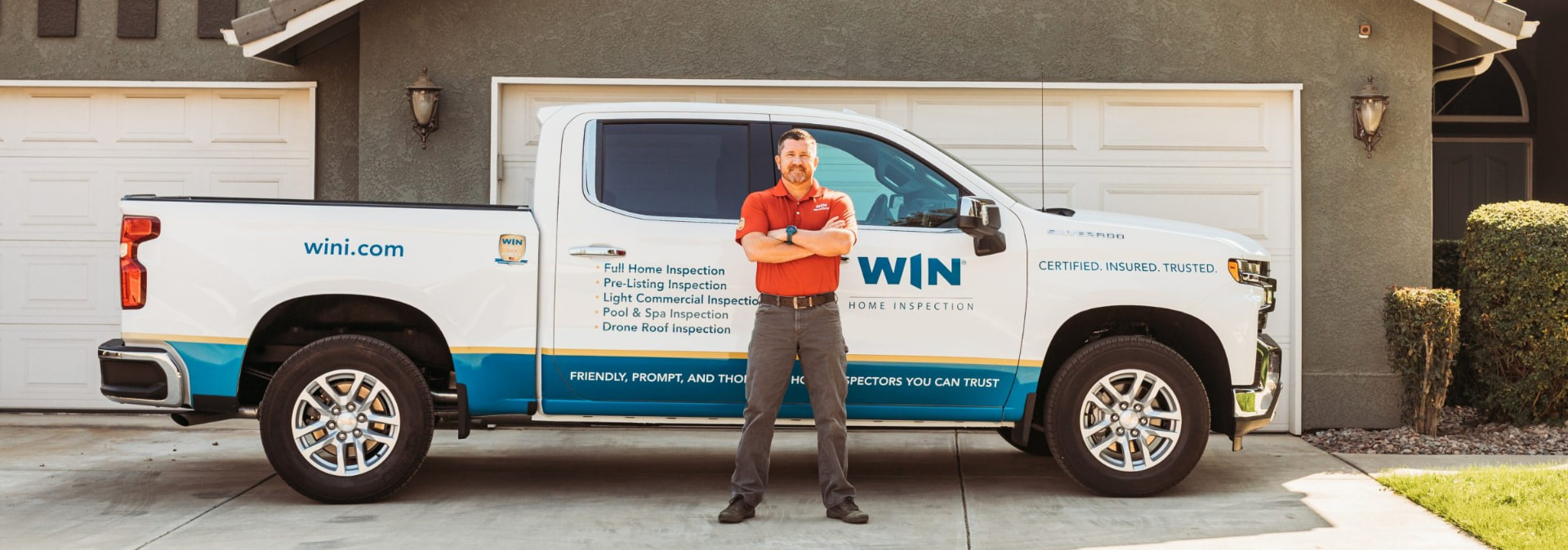
Renowned in the franchising world, WIN Home Inspection stands out for its comprehensive in-house training program, available to franchisees at no additional cost. Franchise owners are trained and certified in 35+ essential services, empowering them to generate diverse income streams year-round. Additionally, WIN’s distinct training approach includes end-to-end marketing training, ensuring franchisees can effectively tap into multiple channels for lead generation. Moreover, state-of-the-art tools and technology, a robust resource library, and unmatched support team aids franchisees throughout their entire business ownership journey, so they can “WIN!”
Evaluating a franchise training program isn’t just about checking boxes. It’s about ensuring that the foundation upon which you’ll build your business is robust and reliable. Effective training can make or break a franchise’s success. As you venture into franchising, consider a brand like WIN Home Inspection, which holds the #1 ranking for home inspection franchises in the U.S., placing a strong emphasis on comprehensive training and prioritizing franchisee support above all else. For more information on franchising with WIN, please contact us at (800) 967-8127 or email us at franchising@wini.com
Remember, in franchising, knowledge isn’t just power – it’s profit!
Look for a franchise training program that combines classroom learning, hands-on experience, and ongoing support. It should cover daily operations, marketing, customer service, financial management, and technology. Make sure the franchisor provides updated training materials and access to experienced mentors. A good training program should prepare you to launch your business confidently and handle challenges as you grow.
Franchise training typically lasts from a few days to several weeks, depending on the industry and business model. Some franchises require additional hands-on training before opening. Ask your franchisor about the complete training schedule, including onboarding, practical sessions, and launch preparation. This will help you plan your transition and understand when you can start operating your business.
Hands-on franchise training helps you apply what you learn in real business situations. Instead of just reading manuals or watching videos, you gain practical experience managing operations, serving customers, and using business tools. It also helps you identify mistakes early, improve your skills, and build confidence before running your franchise independently.
Yes, many franchisors provide ongoing training and support after opening. This may include refresher courses, business coaching, technology updates, marketing guidance, and advanced training. As your business grows, you may face new challenges that require additional skills. Choose a franchisor that invests in your long-term development rather than limiting training to the initial launch.
Ask how long the training lasts, what topics it covers, and whether it includes hands-on experience. Find out who conducts the training and whether you need prior industry experience. Also, ask about ongoing mentorship, training costs, technology support, and refresher courses. These questions will help you understand how well the franchisor prepares and supports new business owners.