


Ready to Embark on an Exciting Journey with WIN?
Take the first step toward personal and financial freedom by filling out the interest form. One of our franchise advocates will be in touch with you soon!



Two inspectors can work the same day and go home with very different paychecks. The difference usually comes down to the type of inspections they do and how they run their work.
If you have been thinking about a career as an inspector, you are probably wondering what type of inspectors make the most money. Many inspectors earn over $100,000 a year, but your income depends on several things, including the kind of inspector you become.
Before you start your journey as an inspector, you should weigh the pros and cons. You will need to invest in training and certifications, so it helps to know what you can earn in return.
The highest-earning inspectors usually fall into one of two groups. The first group works in specialized, regulated fields, such as occupational health and safety, fire inspection, and construction inspection. The second group owns or grows a business, especially home inspectors who offer more services than a standard home inspection.
If you want a high income, you need specialized knowledge, the kind that helps people make important decisions about safety, property, or compliance. Here are the inspection careers with the strongest earning potential.
Occupational health and safety specialists have a high earning potential. These types of inspectors help maintain and improve workplace safety. They inspect construction sites, warehouses, manufacturing facilities, hospitals, government buildings, or corporate offices.
Some of their job responsibilities include:
These inspectors are well paid because they are responsible for keeping people safe. There is a lot at stake. Safety issues can lead to worker injuries, fines, shutdowns, lawsuits, and major financial losses for an employer, which is why safety professionals are so valuable.
In terms of earnings, as of May 2025, occupational health and safety specialists earn a median annual wage of $74,690 whereas the top 10% earned $130,460+.
If you enjoy safety systems, workplace rules, documentation, and problem-solving, this may be a good path for you. While it’s not as entrepreneurial as home inspection opportunities, it can offer a strong salaried career path.
Fire inspectors and fire investigators are other potentially high-paying options. These inspectors review buildings, focusing on fire safety. They may inspect:
Fire investigators are the type of inspectors that examine fire scenes to determine where and how a fire started.
Again, this is serious work. It affects public safety, property protection, and, at times, legal investigations.
Want to know what you can earn? Fire inspectors and investigators earned a median annual wage of $78,060 in May 2024. The top 10% earned $149,870+, demonstrating the strong upper end of this career.
For this career, you may need prior experience. Many fire inspectors and investigators have backgrounds in firefighting, emergency services, code enforcement, law enforcement, or related fields. While the earning potential is strong, there can be barriers to entry.
Construction and building inspectors are another high-earning inspection path, especially in areas with active construction and strict building codes.
These inspectors review buildings, roads, bridges, systems, and construction work to make sure projects meet safety standards and code requirements. They may inspect foundations, framing, electrical, plumbing, and mechanical systems, structural components, or public works projects.
Construction and building inspectors earned a median annual wage of $72,120 in May 2024. The top 10% earned more than $112,320.
In some states, the earning potential can be even higher. For example, in California, construction inspectors may earn between $83,000 and $148,000 annually, depending on experience, certifications, and location.
Construction inspection can be a strong path for people who already understand building, trades, engineering, architecture, or code enforcement. The more technical your knowledge, the more valuable you may become.
» Also read: How to Become a Certified Construction Inspector
Home inspection differs from other inspection careers. A general home inspector evaluates the major systems and components of a home. That usually includes the roof, exterior, foundation, attic, electrical, plumbing, and HVAC systems, interior rooms, insulation, ventilation, and more.
A home inspector’s income can vary widely. Some inspectors work for companies, while others are independent. Some operate a one-person business. Others grow a team and offer multiple services.
The highest-earning home inspectors often do not rely only on standard buyer inspections. They usually add services that clients already need during real estate transactions or homeownership.
Those services may include:
This is where home inspection can become a stronger business opportunity. A standard home inspection may be the core service, but additional inspections can increase the value of each appointment.
For example, a buyer may need a home inspection, termite inspection, radon test, and sewer scope before closing. If one inspection company can help with several of those needs, it is more convenient for the client and more valuable for the business.
» Also read: How to Become a Licensed Home Inspector
Roof inspection is one of the more valuable specialty services in the property inspection field.
That makes sense. Roof problems can be expensive and affect buyers, sellers, homeowners, insurance companies, and real estate professionals.
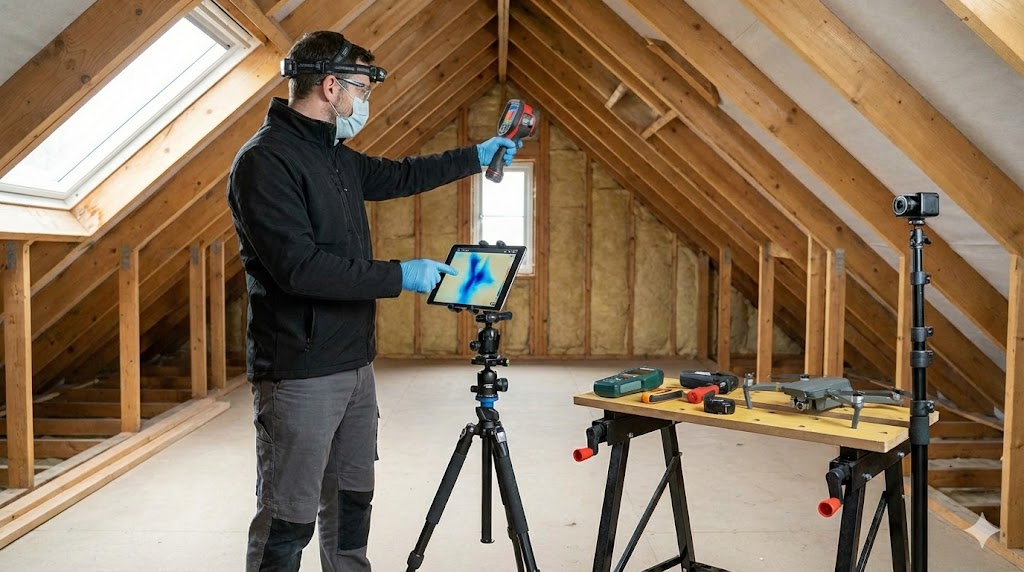
A roof inspector may examine roofing materials, flashing, drainage, penetrations, signs of leaks, structural concerns, ventilation, and the overall roof condition. Some roof inspectors also use tools such as moisture meters, infrared cameras, and drones. A good roof inspector does not just say, “The roof looks old.” They explain what they found, why it matters, and what the client may want to do next.
Roof inspectors are expected to understand roofing systems, materials, safety concerns, and reporting. Their evaluations help property owners make informed decisions about repairs, maintenance, and replacement.
A roof inspection may not always be the highest-paying inspection job by itself. But as an add-on service for a home inspection business, it can help increase earning potential.
» Also read: How to Become a Certified Roof Inspector
Termite inspectors can also do well, especially in areas where termite activity is common.
Termites can quietly damage wood framing, flooring, walls, and other structural parts of a property. By the time a homeowner notices the damage, repairs may already be expensive.
A termite inspector looks for signs of termite activity, mud tubes, damaged wood, moisture issues, and conditions that may attract wood-destroying insects. In many real estate transactions, a WDI inspection may be requested or required.
Termite inspectors help detect early signs of infestation and protect homes and businesses from costly structural damage.
This specialty can be especially valuable when paired with home inspection, pest control, or other property services. Licensing requirements vary by state, so this service may have a higher barrier to entry than general inspection work.
And in many fields, a higher barrier to entry can support stronger earning potential for qualified professionals.
» Also read: How to Become a Termite Inspector
Commercial inspection is another path with strong income potential.
Commercial inspectors evaluate properties such as office buildings, retail spaces, warehouses, restaurants, multifamily buildings, and industrial spaces. These inspections can be more complex than standard residential inspections because the properties are larger and may involve more systems.
Commercial inspectors may review roofing, structure, electrical systems, plumbing, HVAC, exterior areas, parking lots, drainage, fire safety features, and general maintenance concerns.
Because commercial properties are often higher-value assets, inspection fees can be higher as well. The work may take longer and require a deeper level of experience, but it can be a smart growth path for inspectors who want to move beyond standard residential work.
» Also read: How to Become a Commercial Building Inspector

The type of inspection matters, but it is not the only thing that affects income.
Two inspectors can have the same title and earn very different amounts. Why? Because income depends on several factors.
Specialized inspectors often earn more because their knowledge is harder to replace. Fire safety, construction codes, commercial systems, roofing, termite activity, environmental concerns, and workplace safety all require specific training.
The more complex the inspection, the more valuable the inspector’s judgment becomes.
Completing certifications helps build trust with your clients. You can also start to unlock better opportunities.
Depending on the field, inspectors may pursue credentials through organizations such as the International Code Council, InterNACHI, NRCIA, state pest control boards, safety organizations, or local building code authorities. While some credentials are optional, others may be required by law or by employers. Either way, they give inspectors an edge.
Inspectors in certain states or fast-growing markets can earn more. Construction activity, housing demand, state regulations, and local licensing rules can all affect income.
Take California, for example. Construction inspectors can earn a lot in this state due to high construction activity, complex building codes, and a higher cost of living.
Experience is still one of the biggest income drivers.
A new inspector may start with simpler work, fewer clients, or lower fees. An experienced inspector may handle complex properties, charge more, and receive stronger referrals.
There is no shortcut for judgment. And in inspection work, good judgment is part of what clients are paying for.
For business owners, service mix can make a major difference.
A home inspector who offers only standard inspections has a single main revenue stream. A home inspector who also offers roof, termite, mold, radon, sewer, pool, and commercial inspections has more ways to serve each client.
That does not mean every inspector should offer every service right away. But over time, the right mix of services can increase revenue and strengthen the business.
This may sound simple, but it matters.
The best inspectors are not just technically skilled. They also know how to explain findings clearly. They can help clients understand what matters, what is routine, and what needs attention.
That ability builds trust. Trust leads to referrals. And referrals often lead to better income.
Here is the difference between employee income and business owner income:
| Employee (W-2) | Business owner | |
| How you get paid | Your employer pays you a set amount on a regular schedule, so you know what each paycheck will be. | You keep whatever profit is left after you pay the business expenses, so your income changes from month to month. |
| How you are taxed | Your employer takes taxes out of each paycheck before the money reaches your bank account. | You pay for business expenses first, and you only pay tax on the profit that stays. |
| Tax paperwork | You get one W-2 form at the end of the year and use it to file your return. | You track your income and expenses all year and send in estimated tax payments four times a year. |
| Social Security and Medicare | You and your employer split the cost, so you pay half, which is 7.65%. | You act as both the employer and the employee, so you pay the full 15.3%. |
| Work tools like a laptop, phone, and travel | You pay for these yourself with money that has already been taxed, and you usually can’t deduct them. | You can buy them through your business, and the cost lowers your taxable income. |
| Retirement savings | You can contribute to your company’s 401(k) up to the standard yearly limit. | You can open an account like a Solo 401(k), which often lets you put away more money and lower your taxes today. |
| Risk and reward | Your income is steady and safe, but it only goes up when your employer gives you a raise. | You take more risk, since some months may bring in little or nothing, but you can earn far more and even build a business you could sell one day. |
If you are asking about salaried careers, occupational health and safety specialists, fire inspectors, and construction inspectors are often among the higher-earning inspection roles.
If you are asking about long-term business potential, specialized home inspectors and inspection business owners can have a strong upside, especially when they offer multiple services.
The highest earning inspectors usually combine three things:
That combination is powerful. People need inspectors when they are making important decisions about homes, buildings, workplaces, safety, and repairs. A good inspector helps them make those decisions with confidence.
If you are interested in the home inspection industry, one path to consider is owning a home inspection franchise.
Starting on your own can be rewarding, but it can also be challenging. You have to figure out training, technology, marketing, reporting, business operations, scheduling, service expansion, and local brand awareness. That is a lot to build from scratch.
A franchise model can give you a more structured starting point.
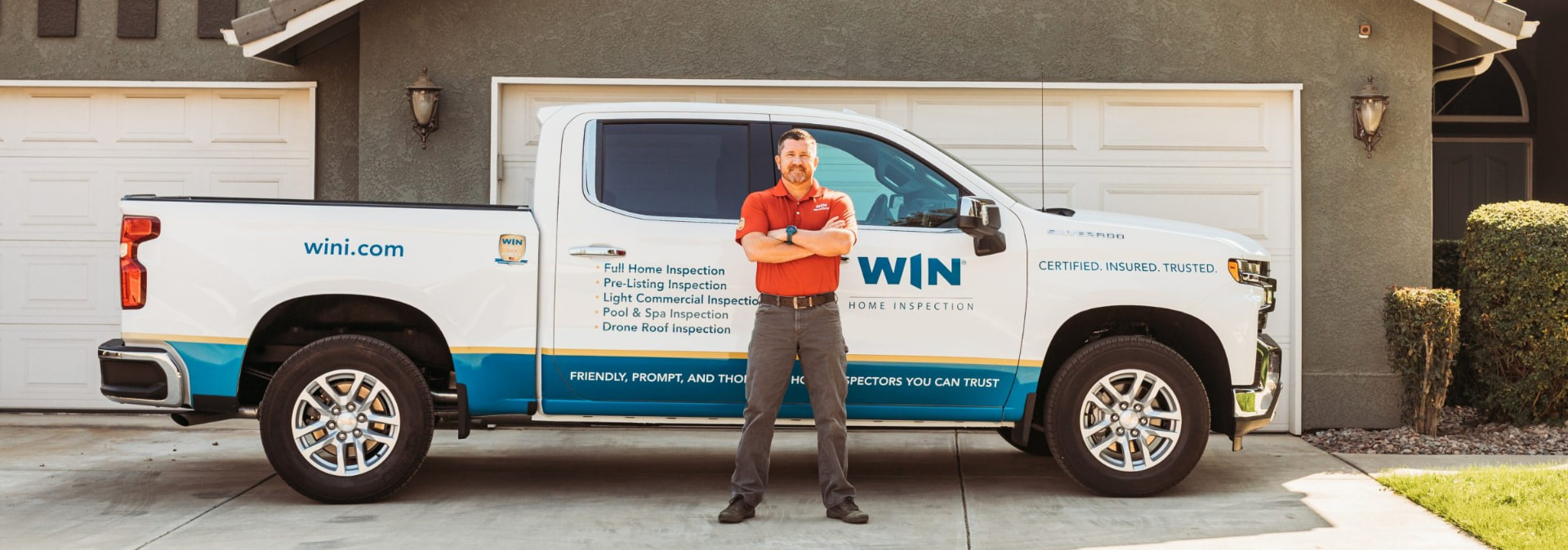
WIN Home Inspection is one example. WIN has been in the home inspection industry for more than 30 years and provides franchise owners with training, technology, marketing support, business tools, and ongoing guidance. For someone who wants to build an inspection business, that support can make the path feel more manageable.
Another reason to consider WIN is the ability to offer more than a standard home inspection. Many of the highest-earning home inspectors grow by adding services such as roof inspections, mold testing, radon testing, sewer scopes, pool and spa inspections, and other property services. WIN’s model is built around helping franchise owners offer a broader range of inspection services, which can support stronger revenue potential over time.
It can be, especially if you like working with your hands, learning how buildings work, and talking with clients. You set your own schedule when you own the business, but you also handle marketing, scheduling, insurance, and taxes. If you want a steady paycheck and less responsibility, a salaried inspection job may suit you better.
Requirements depend on your state. Most states ask for training, and many require a license and an exam. You can also get certified through groups like InterNACHI. Check your state’s rules first so you know what you need before you pay for a course.
Add services your clients already need during purchase. Roof inspections, radon testing, mold testing, sewer scopes, and termite inspections are common. Clear reports and good communication help too, because happy clients and real estate agents send you more referrals.
No, but a franchise can make the start easier. You get training, software, and marketing help from day one, so you don’t have to build everything yourself. WIN Home Inspection has been in the industry for more than 30 years and gives franchise owners this kind of support.
Some inspectors work for a company and earn a steady wage. Others run their own business, and their income depends on how many inspections they book, what they charge, and which services they add. Your local market and how many agents refer clients to you also make a big difference.