


Ready to Embark on an Exciting Journey with WIN?
Take the first step toward personal and financial freedom by filling out the interest form. One of our franchise advocates will be in touch with you soon!


If you are thinking about buying a franchise, one of your first questions is probably, “How much does a franchise cost?”
The short answer is that it depends. The cost to open a franchise may range from tens of thousands of dollars for a home-based or service business to several million dollars for a large restaurant, hotel, or retail location.
Your industry, location, staffing needs, equipment, and business model all influence the final amount. Understanding these expenses can help you compare opportunities, prepare your budget, and avoid costly surprises.
Although every franchise is different, these general ranges can help you estimate your potential franchise startup cost:
| Expense | Typical Cost Range | What It Covers |
| Initial franchise fee | $20,000–$50,000 | Access to the brand, business model, training, systems, and initial support |
| Property deposit and buildout | $0–$500,000+ | Rent deposits, construction, renovations, furniture, and signage |
| Equipment and inventory | $5,000–$150,000+ | Tools, vehicles, technology, supplies, equipment, and opening inventory |
| Licenses and insurance | $1,000–$10,000+ | Business registrations, permits, professional licenses, and insurance |
| Training and travel | $1,000–$10,000 | Transportation, lodging, meals, and other training expenses |
| Initial marketing | $2,000–$25,000+ | Grand-opening promotions, local advertising, and required marketing |
| Professional services | $2,000–$10,000 | Legal, accounting, financing, and business setup assistance |
| Working capital | $10,000–$100,000+ | Operating expenses during the first few months |
| Estimated total investment | $50,000–$500,000+ | The estimated cost to establish and begin operating the franchise |
These figures are broad estimates, not guaranteed costs. A home-based or service franchise may fall near the lower end because it does not require a storefront, major renovations, or extensive inventory.
For the most accurate numbers, review Item 7 of the franchise’s Franchise Disclosure Document.
The initial franchise fee and total investment are two different numbers. Understanding the difference will give you a much clearer picture of how much money you need.
The initial franchise fee is typically a one-time payment made when you sign the franchise agreement. It gives you the right to operate under the franchisor’s name and use its business systems, training, processes, and support.
According to the International Franchise Association, initial franchise fees commonly range from $20,000 to $50,000. However, the exact amount depends on the brand, industry, territory, and resources included.
The franchise fee is only one part of the total cost to open a franchise.
The total initial investment includes the franchise fee and the other expenses required to establish and open the business.
It may include:
For example, a franchise may charge a $35,000 franchise fee but require a total investment of $150,000 after equipment, property, training, marketing, and working capital are included.
This is why you should compare total investment ranges rather than focusing only on franchise fees.
Before you sign an agreement or pay a franchise fee, the franchisor must provide you with a Franchise Disclosure Document, commonly called an FDD.
The FDD contains 23 categories of information about the franchise opportunity. When reviewing costs, pay particular attention to:
The Federal Trade Commission explains that Items 5 through 7 may include franchise fees, deposits, equipment, inventory, leases, royalties, advertising fees, and other expenses involved in starting and operating the business. Learn more about reviewing an FDD from the FTC.
Read the assumptions and notes included with each estimate. Consider having a franchise attorney and qualified accountant review the documents before you commit.
Several factors can increase or reduce your franchise startup cost.
A mobile, home-based, or professional service franchise often costs less than a restaurant, hotel, fitness center, or retail store. Businesses with physical locations typically require additional spending on rent, construction, furniture, signage, and utilities.
Commercial rent, wages, insurance, permits, and construction costs vary by market. Opening in a major city may cost more than operating in a smaller community.
Your location may also affect licensing requirements and local marketing expenses.
Some franchisors require a specific building size, layout, design, or set of materials. These standards help maintain brand consistency but may increase the initial investment.
Before choosing a location, understand what renovations, permits, and approvals will be required.
The amount you spend on equipment depends heavily on the industry. A restaurant may need commercial kitchen equipment, while an automotive business may require specialized machinery. A service franchise may only need tools, technology, and a vehicle.
You may also need to purchase products or equipment from approved suppliers.
A business that requires several employees before opening will have higher recruiting, training, payroll, and insurance costs. An owner-operated model may allow you to begin with fewer employees and add team members as the business grows.
Established brands may charge higher franchise fees because of their name recognition, training, systems, and support structure.
However, a higher fee does not automatically mean an opportunity is a better investment. Compare what each franchise provides and whether its business model fits your experience, budget, and goals.
Your financial commitment does not end once the business opens. Depending on the franchise, you may be responsible for several ongoing fees.
Royalties are commonly calculated as a percentage of gross sales, although some franchisors charge a fixed amount.
These payments may support continued access to the brand, business systems, operational guidance, training, and other resources. Because royalties may be based on gross sales rather than profit, you could owe them even during a month when the business is not profitable.
A franchisor may collect fees for regional or national advertising. You may also be required to spend a minimum amount on marketing within your own territory.
Review whether local marketing requirements are included in the estimated operating expenses or must be budgeted separately.
Technology fees may cover scheduling platforms, customer relationship management software, reporting systems, websites, payment tools, or other required technology.
You may need to pay a fee if you renew your franchise agreement, transfer the business, or sell it to another qualified owner.
In addition to franchise-specific fees, you will be responsible for the normal expenses involved in running the business. These may include:
A small business invoice template can help keep billing organized and records consistent.
Ask current franchise owners what they regularly spend. Their experiences can provide helpful context beyond the estimated ranges in the FDD.
Working capital is the money available to cover expenses while your franchise gets established. It may be used for payroll, rent, marketing, supplies, fuel, loan payments, and unexpected repairs.
A new business may take time to develop steady sales. Your budget should cover more than the costs of opening. It should also help carry the business through its early operating period.
Item 7 of the FDD should include an estimate for additional funds, but that estimate may only cover a certain number of months. Check the period it represents and decide whether it is realistic for your market.
You may also need personal savings to cover household expenses while your business grows. Building a financial cushion can help you manage slower-than-expected sales, seasonal changes, and unplanned expenses.
You may not need to cover the entire franchise cost with personal savings. Depending on your finances and the opportunity, possible funding sources include:
The SBA’s 7(a) loan program may be used for eligible expenses such as real estate, equipment, furniture, supplies, and working capital. The SBA generally provides a guarantee to participating lenders rather than lending the money directly. You will still need to meet the lender’s approval requirements. Review the SBA 7(a) loan program.
Some franchisors may also offer financing directly or maintain relationships with third-party lenders. Ask what expenses can be financed, how much cash you must contribute, and what repayment terms apply.
If you are considering retirement funds, home equity, or other personal assets, speak with qualified financial, tax, and legal professionals first. Make sure you understand the potential risks.
The lowest-cost franchise is not automatically the best value. Look closely at what the investment includes and what you will need to purchase separately.
When comparing franchise opportunities, ask:
You can also contact current and former franchisees listed in Item 20 of the FDD. Ask how closely their actual franchise startup costs matched the original estimates and whether they encountered any unexpected expenses.
Not every franchise requires a storefront, large inventory, or sizable team. Service-based opportunities may offer a more manageable way to enter business ownership without many of the expenses associated with a retail location.
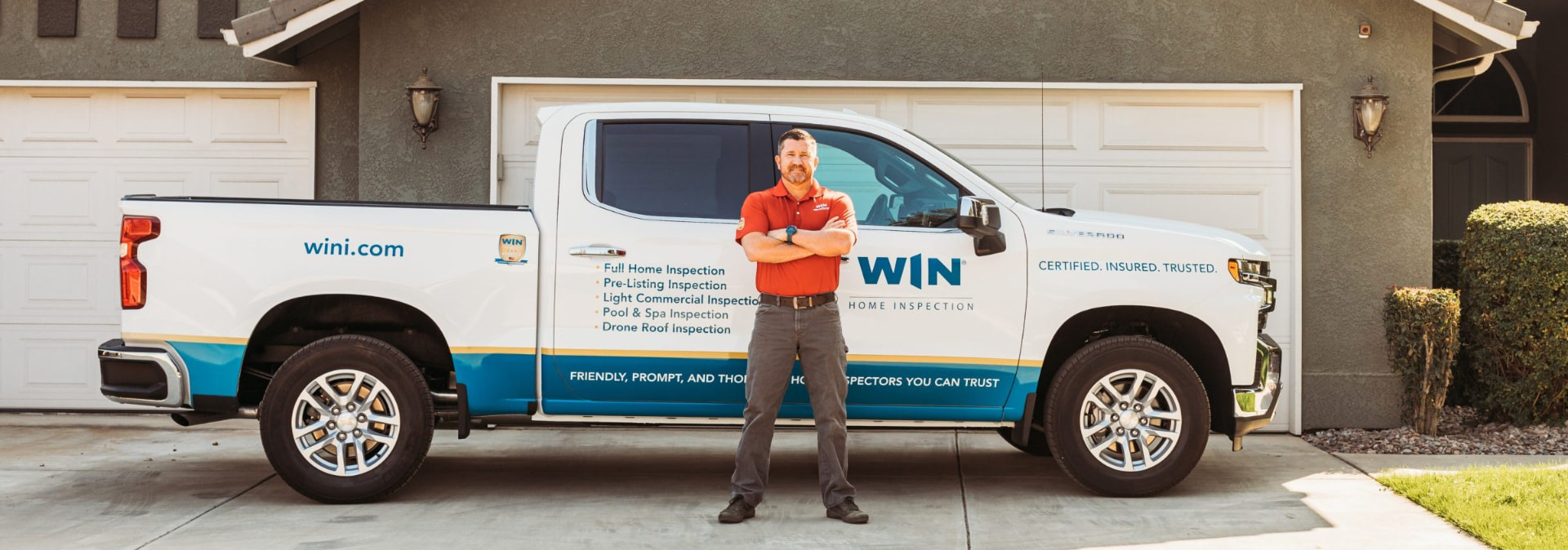
WIN Home Inspection is a home-based franchise that provides inspection services for homebuyers, homeowners, sellers, and real estate professionals. The model does not require a storefront or inventory, helping reduce some of the traditional costs of opening a franchise.
WIN Strategic Partners also receive in-house training, business coaching, marketing resources, technology, and ongoing support. Previous home inspection experience is not required.
Explore the cost of starting a WIN Home Inspection franchise to review the investment and determine whether the model fits your goals.
So, how much does a franchise cost in the United States? There is no single answer.
The total investment depends on the brand, industry, location, property requirements, equipment, staffing, and working capital needed. The initial franchise fee may be one of the most visible expenses, but it does not represent the complete cost of opening and operating the business.
Review the FDD carefully, speak with current and former franchisees, and create a budget that accounts for both expected and unexpected expenses. Understanding the full investment can help you choose an opportunity that fits your financial position and long-term plans.
Interested in learning more about WIN? Schedule a free consultation with a franchise expert.
The amount varies widely. A home-based or service franchise may require less than $100,000, while a restaurant, hotel, or retail location could require several hundred thousand dollars or more. Review Item 7 of the FDD for the estimated initial investment of a specific franchise.
Initial franchise fees commonly range from $20,000 to $50,000, according to the International Franchise Association. The exact fee depends on the brand, industry, territory, training, and resources included.
No. The franchise fee is only one part of the total franchise startup cost. You may also need to pay for property, equipment, inventory, insurance, licenses, marketing, training, professional services, and working capital.
Many initial franchise fees are nonrefundable, but the terms vary. Review Item 5 of the FDD and the franchise agreement to understand when the fee is due and whether any refund conditions apply.
The amount depends on your monthly expenses and how long the business may take to produce consistent revenue. Start with the estimate in Item 7, then determine whether it provides enough coverage for your operating costs and personal obligations.
Possibly. Financing may be available through banks, SBA-backed loan programs, franchisors, equipment lenders, or other sources. Approval may depend on your credit, available capital, collateral, experience, and the franchise opportunity.
Common ongoing costs include royalties, advertising contributions, technology fees, payroll, rent, insurance, supplies, vehicle expenses, loan payments, and local marketing. Required payments should be disclosed in the FDD.
A lower franchise cost can reduce the financial barrier to entry, but price alone does not determine the quality or potential of an opportunity. Consider the business model, market demand, support, required fees, and experiences of existing franchisees.