






Ready to Embark on an Exciting Journey with WIN?
Take the first step toward personal and financial freedom by filling out the interest form. One of our franchise advocates will be in touch with you soon!
Sitting at your desk and juggling life around a 9-to-5 schedule, the thought of how to be self-employed has probably crossed your mind. You may see a content creator earning through social media, a freelancer building a flexible career, or a business owner creating something of their own.
Owning a business can offer that same sense of independence. It gives you the opportunity to make decisions, shape your own direction, and build a career around your goals. In 2026, freelancers earned a combined $1.5 trillion, and accounted for 28% of skilled workers. Similarly, franchising is boosting the opportunity for ambitious, motivated entrepreneurs. Stats show that there are at least 805,000 franchise units in the United States, with trends suggesting that people from more walks of life than ever are considering a switch to a different way of working.
If you’re one of those people, here’s a quick guide on how to be your own boss and work from home.
Self-employment means earning a living by working for yourself rather than as an employee of a company. You are responsible for building your own business, offering products or services, finding and working with clients, managing your schedule, and handling business expenses and taxes.
Becoming self-employed starts with more than a good idea. It takes clear direction, practical planning, and the confidence to build something of your own.
The process becomes easier when you break it into manageable steps. Here’s how to be your own boss –
Start by deciding what you want to offer and who you want to serve. A clear niche helps you stand out, sharpen your message, and attract the right customers.
Research local demand or gaps in the market and compare those opportunities with your skills and experience. Choose an idea that is realistic, valuable, and sustainable.
A business plan gives your idea structure. Outline your services, target customers, pricing, startup costs, marketing strategy, and revenue goals.
Decide how you want to operate. Consider whether you will work independently, bring in a partner, or eventually hire employees as your business grows.
Your skills are one of your biggest advantages as a self-employed professional. Even if you already have experience, you may need to strengthen areas such as sales, marketing, finance, technology, or customer service.
Use your knowledge to build a portfolio that shows what you deliver. Strong examples of your work help build credibility and give potential clients more confidence in choosing you.
You do not need to launch at full scale from day one; you can look for franchise opportunities. Start by manageable number of customers and use those early experiences to test your services, pricing, and processes.
Pay attention to feedback, reviews, and customer expectations. Use what you learn to improve your offering before expanding into a larger market.
Self-employment comes with legal and financial responsibilities that require careful attention. In the U.S., self-employed individuals generally need to account for federal income tax and self-employment tax, while state or local taxes may apply depending on where they operate.
Choose the right business structure, such as a sole proprietorship, LLC, partnership, or corporation. Speaking with a qualified tax or legal professional helps you understand your obligations and avoid costly mistakes.
A strong brand helps people understand who you are, what you offer, and why they should choose you. Keep your messaging, visual identity, and customer experience consistent across every channel.
Build your presence where your customers are most active, including search, social media, email, local networking, and community events. If you choose franchise ownership, you gain access to established brand standards, marketing resources, and proven systems.
Self-employment gives you the opportunity to take greater control of your career. Start with a clear plan, build steadily, and create a business that supports the future you want.
Self-employment gives you the freedom to shape your career on your own terms, but long-term success still requires discipline, consistency, and a willingness to keep improving. The goal is not simply to work for yourself, but to build a business that is reliable, sustainable, and capable of growing with you.
Here’s how to become self-employed –
Being your own boss does not mean you have to follow a traditional 9-to-5 schedule. You may prefer working in the afternoons, evenings, or during specific hours that suit your lifestyle and clients.
What matters most is consistency. Set a schedule you can maintain and make sure clients know when and how they can reach you.
Networking can open the door to new ideas, referrals, partnerships, and business opportunities. Connecting with others in your industry can also help you learn from their experiences.
Strong client communication is equally important. Consider using multiple channels, including phone, email, website messages, and social media, so clients can communicate with you in the way they prefer.
Marketing helps people discover your services and understand what makes your business different. Keep your branding and messaging consistent across platforms and stay engaged with your audience.
You can also test different approaches, such as headlines, offers, emails, or advertisements, to understand which strategies generate the best response.
Satisfied clients can become repeat customers and valuable sources of referrals. Focus on providing a dependable experience and responding to questions or concerns promptly.
Negative feedback may happen from time to time. What matters is how you respond. Address concerns professionally, correct mistakes when possible, and use feedback as an opportunity to improve your business.
Markets, technology, and customer expectations continue to change. Regularly learning new skills can help you stay competitive and provide greater value to your clients.
Courses, certifications, workshops, industry events, and hands-on experience can all help you expand your knowledge and strengthen your business over time.
Part of learning how to be self-employed is figuring out how to manage different areas of your business efficiently. The right tools can make everyday tasks easier and help you stay organized as your workload grows.
Tools like Asana and Trello can help you organize projects, manage client requests, track deadlines, and keep daily tasks in one place. They are especially useful when you are handling multiple responsibilities on your own.
Keeping track of income and expenses is an important part of self-employment. Cloud-based accounting platforms such as QuickBooks can help you organize financial records, monitor expenses, create invoices, and manage basic bookkeeping without relying entirely on spreadsheets.
Finding clients can be challenging when you are just starting out. Platforms like Upwork and Fiverr can help freelancers connect with potential clients, while LinkedIn can be useful for networking, building professional relationships, and strengthening your personal brand.
Self-employment often requires you to keep learning as your business grows. Platforms such as Coursera and Udemy offer courses across business, technology, marketing, and other professional skills. Workshops, webinars, and industry-specific training can also help you strengthen your expertise.
Staying connected with other business owners can provide valuable support. Local business groups, networking organizations, online communities, and industry forums can give you opportunities to exchange ideas, learn from others, and stay informed about resources available to self-employed professionals.
Take the next step toward building a career on your terms. Self-employment gives you the freedom to shape your schedule, pursue your goals, and create something that reflects your ambition.
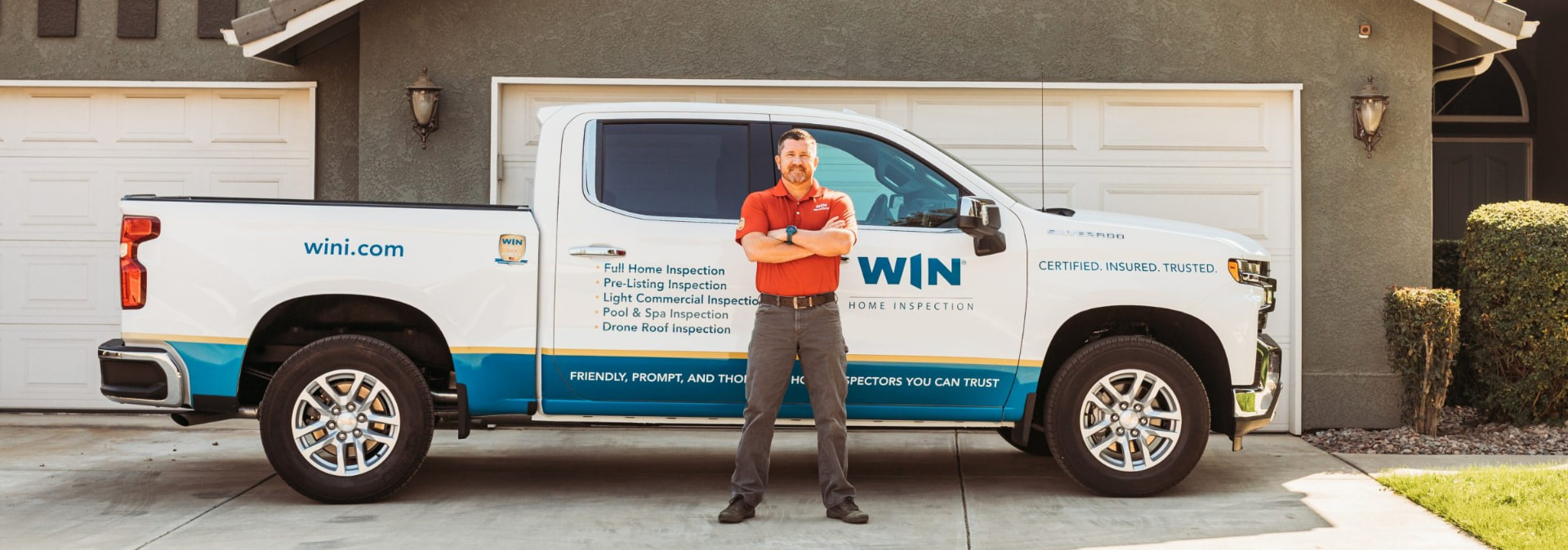
A WIN Home Inspection franchise offers a clear path to business ownership in a trusted home services industry. Franchise owners work with buyers, sellers, real estate professionals, and homeowners who rely on accurate information to make confident decisions about their properties.
With WIN, you are not starting from scratch, it is one of the best franchise to own. You gain access to an established brand, hands-on training, technology, marketing support, and proven business systems. Build with confidence, grow with purpose, and create a business that moves your future forward.
Entrepreneur’s Franchise 500® ranks WIN as the best franchise in the home inspection industry. Let’s talk: Fill out the form today and get your questions about becoming a successful home inspector answered.
Start by choosing a skill, service, or business idea you believe in. Identify your target customers, set clear goals, understand your costs and taxes, and begin building your client base. Stay focused, improve as you grow, and create a business that gives you greater freedom, ownership, and direction over your future.
To be your own boss and make money, focus on selling something people value. This could be a service, product, freelance skill, or business. Build a steady customer base, keep your costs under control, and create more income opportunities as you grow. The goal is to turn your skills into a reliable business.
The easiest way to become self-employed is to start with a skill, service, or business model you already understand. Freelancing, consulting, local services, and home-based franchises offer clear paths to ownership. Start with a focused plan, keep costs manageable, and build steadily toward greater independence and income.
In the U.S., registration depends on your business structure, state, and local rules. Some sole proprietors need only basic tax setup, while LLCs and corporations require formal registration. Check federal, state, and local requirements before starting so your business begins on the right footing.
Yes. Franchise ownership is a form of self-employment because you own and operate the business while following the franchisor’s system. A home inspection franchise offers a structured path to business ownership and greater control over your schedule, helping you build a business while maintaining a better balance between work and personal life.