







Ready to Embark on an Exciting Journey with WIN?
Take the first step toward personal and financial freedom by filling out the interest form. One of our franchise advocates will be in touch with you soon!
Homebuyers, property owners, and insurance companies all need one thing: a clear roof assessment. As a result, demand for good roof inspectors keeps growing, which means more job openings. Because training is fairly simple, you can get into this field faster than many other skilled trades. Whether your goal is to work for an established company or start your own business, becoming a roof inspector is a practical way to start a career. In this guide, you’ll learn about the role, the certification process, essential tools, earning potential, and career options so you can take your first steps with confidence.
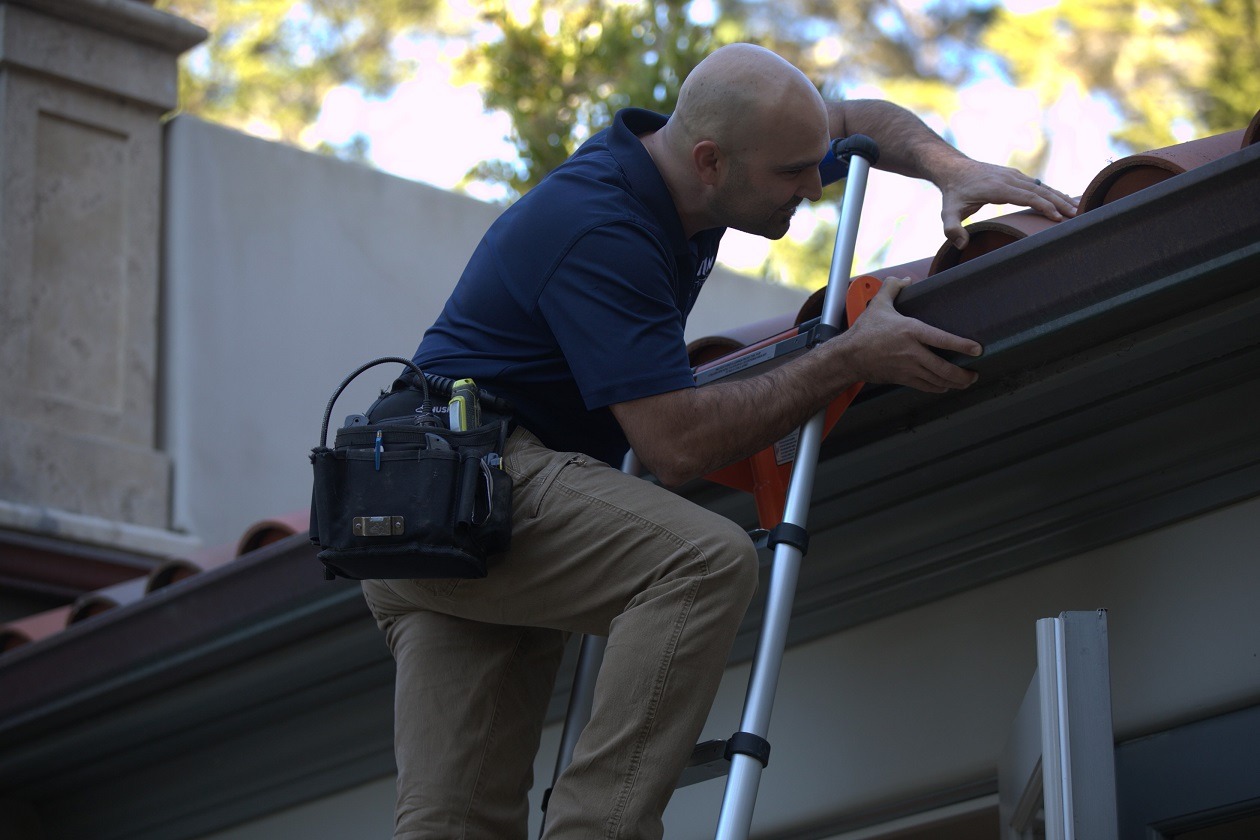
Roof inspectors check how safe and how sound a roof is on both homes and commercial properties. According to training and industry standards from HAAG Education, InterNACHI, and the National Roof Certification and Inspection Association (NRCIA), inspectors use special skills to handle real situations. This work matters, as these organizations point out; roof damage that goes unnoticed can be dangerous, costly, and disrupt how a building is used. For example, after a severe hailstorm, an inspector might check the roof of a local school to see if the storm caused damage or hidden leaks. The U.S. Bureau of Labor Statistics reports that inspections are key to keeping people safe and spotting needed repairs.
Their main duties include:
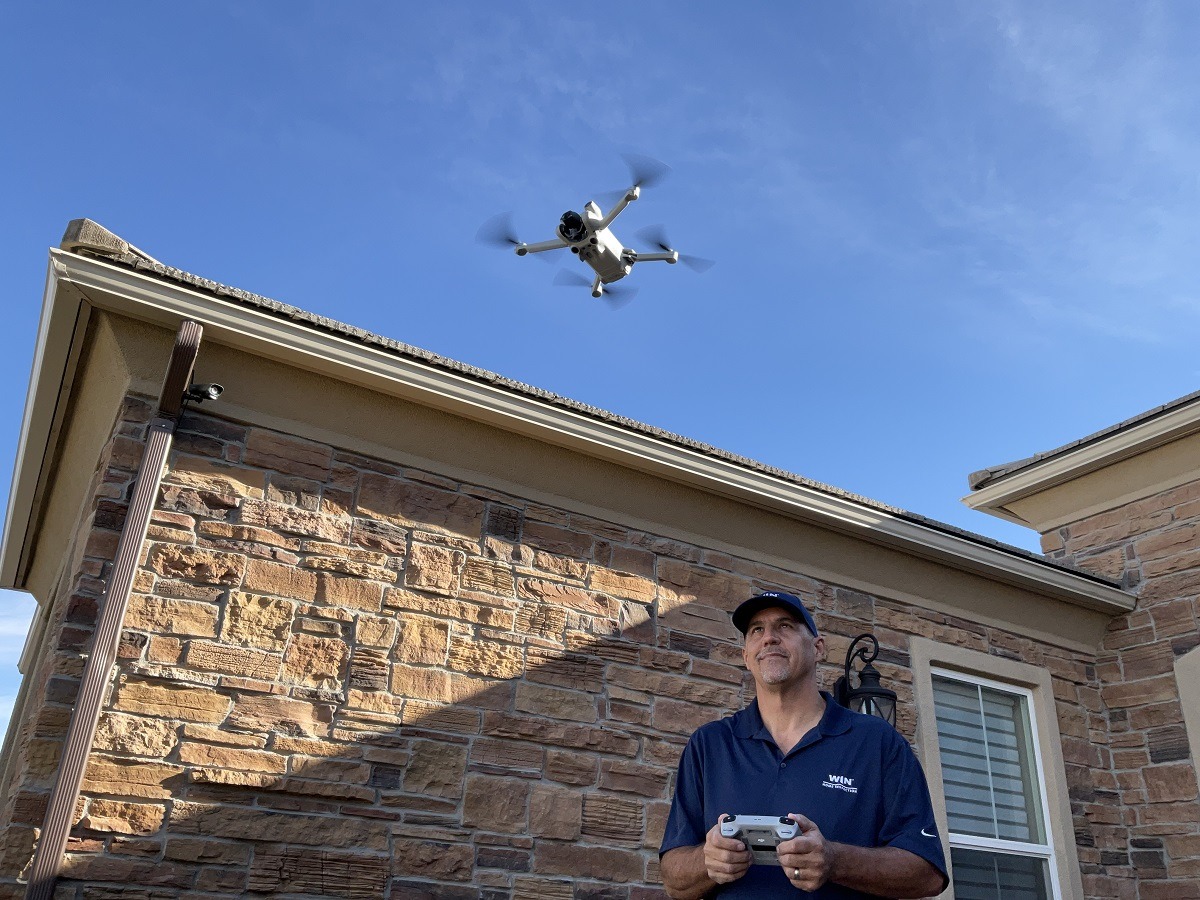
Inspectors are increasingly using technology to make inspections safer and faster. For example, drones let inspectors check steep or damaged roofs without climbing, while thermal imaging cameras find hidden moisture or insulation problems that might otherwise be missed. As a result, inspections get done more quickly and accurately, giving owners, insurers, and buyers information they can trust. InterNACHI’s 2022 survey found that inspectors who used drones cut their inspection time by 30%. InterNACHI also found that drones led to a big improvement in accuracy compared to traditional methods.
» See: What Does a Home Inspector Do?
You don’t need years of schooling to become a certified roof inspector. The process is straightforward. Just follow this guide.
It’s easier to get started than you might think. Most roof inspector certification programs require only a high school diploma or the equivalent. A background in construction, engineering, or architecture isn’t required, but it helps; it gives you a better handle on how buildings are built, the materials used, and roofing rules.
You also need practical skills. You need to be okay with heights, fit for climbing, and able to explain your findings clearly. Previous experience in construction or roofing helps but isn’t essential. Many successful inspectors started in other fields, education, customer service, or technology, and picked up their skills through certification courses and on-the-job training.
Certification shows clients and employers you’re a trained pro. Different groups offer training and exams, each with its own focus:
– HAAG Certification
– NRCIA
– InterNACHI
Certification helps you earn trust with clients, insurance companies, and employers. Choose the program that best matches your career goals. HAAG is great if you want to focus on storm damage and insurance claims. InterNACHI and NRCIA offer broader training for both homes and businesses.
Licensing rules are different in each state. Some areas let you inspect roofs with a general home inspector’s license. Others don’t require any specific license. Check your state’s rules early, so you avoid delays in certification and licensing.
Most professional inspectors carry two types of insurance:
These steps are easy to manage; licensing boards and insurance companies typically give clear guidance.
Having the right tools helps you inspect faster, safer, and more accurately. A solid starter kit should include:
Standard tools:
Advanced tech:
After certification, there are three common routes:
The right choice is different for everyone. Base your decision on your career goals, how much risk you’re okay with, and how you like to work. If you value independence and can handle running a business, starting your own practice might be the best choice. If you want stability and clear processes, joining a company or a franchise with support can give you a faster, safer start in the field.
There’s steady demand for roof inspections. Inspectors usually earn between $55,000 and $65,000 a year, according to the U.S. Bureau of Labor Statistics. Business owners and franchise owners can earn more depending on market conditions and the services they offer.
The roof inspection industry stays strong even when others slow down. Roof inspections matter for real estate deals, storm claims, insurance claims, and regular upkeep, which gives the field steady work. That said, business owners usually earn more than employees; they do this by growing their business and offering more specialized services.
» See: How to Start a Home Inspection Business
If you’re considering starting your own business or joining a franchise, WIN Home Inspection makes it simpler. The company helps with certification and helps you build a client base, so you’re not starting from scratch.
WIN offers thorough training covering more than 35 services, including roof inspections. Franchise owners don’t have to set up their own certification or training. They also get technology and equipment, like drone inspection tools and report-writing software, which helps make sure every report looks the same from day one.
WIN offers built-in support alongside training, including marketing advice and ongoing mentorship. These resources take some of the guesswork out of starting a new business. With WIN’s 33 years of experience and strong brand trust, franchise owners can find clients faster than they could on their own.
If you want to run a business but don’t want to take on all the risk, franchising with a trusted name like WIN is a smart choice. We help you go from certification to a stable career. Schedule a free consultation to learn more!
Some people finish certification in just a few weeks or months. It depends on the provider and whether state licensing rules apply.
Licensing requirements vary by state. Some states require a home inspector license, while others have no specific rules for roof inspectors.
Yes. Construction experience helps, but many certification programs are built for beginners and include classroom instruction and hands-on training.
Most inspectors use ladders, moisture meters, high-resolution cameras, and safety gear. Many now also rely on drones and thermal imaging cameras to reach hard-to-access spots. This makes life so much easier.
Yes. The profession has steady demand, good earning potential, and several career paths. You can work for someone else, go independent, or own a franchise.
To become a certified roof inspector, as explained earlier in this article, you don’t need years of education. You do need proper training, certification, and a commitment to safety. You can work for an established company, start your own inspection business, or join a franchise like WIN Home Inspection. Each path leads to a fulfilling career in a growing industry.
Sources: