


Ready to Embark on an Exciting Journey with WIN?
Take the first step toward personal and financial freedom by filling out the interest form. One of our franchise advocates will be in touch with you soon!



For many people, entrepreneurship has been the most reliable way to achieve financial independence and career satisfaction. Starting a home inspection business is one option.
According to a report by EMR, the United States real estate market was valued at $3.53 trillion in 2025. It is projected to grow at a compound annual growth rate (CAGR) of 2.8% from 2024 to 2035, reaching a value of $4.65 trillion by 2035. About 95% of home sales involve a home inspection before closing. This positive trend reinforces the resilience of the home inspection sector. So, if you’re considering starting a home inspection business, be ready to ride a growth wave.
Starting a home inspection business has several advantages. These include steady growth, low costs, high profits, the ability to work remotely, and personal satisfaction. It’s a great industry with lots of chances to grow a high-revenue business, make connections, and serve your community.
A home inspection business provides essential health and safety inspections for home buyers and sellers during real estate transactions. Appraisers consider home inspection reports when evaluating a property’s value, and insurance companies may require home inspections before granting the buyer home insurance. As a home inspector, your top priority is to help your client make an informed decision about the property they are interested in purchasing.
Buying or selling a home is a significant investment of time, energy, emotions, and financial resources, and being a trusted partner for home buyers and sellers is one of the most rewarding aspects of owning a home inspection business. You also have a responsibility to identify potential home health hazards to keep your clients informed and aware of any possible repairs they need to make. This safeguards your community and helps minimize potential financial pitfalls down the road.

If you like houses and enjoy figuring out how they work, home inspection can be a solid career. Here is how most people get started.
Licensing
Each state sets its own rules. Some states want you to hold a license, finish a set number of training hours, and pass the National Home Inspector Examination. Other states have no license at all. Call your state licensing board before you spend money on anything else, because their answer decides what training you need.
Training
Even if your state doesn’t require training, take a good course anyway. Clients and agents trust inspectors who know their stuff, and the best courses include ride-along where you watch an experienced inspector work. It also helps to join a group like ASHI or InterNACHI. You get continuing education, a standards of practice to follow, and a chance to meet other inspectors who can answer your questions.
Insurance
Most inspectors carry errors and omissions insurance, which pays if a client says you missed something. You also want general liability insurance in case you damage a property or someone gets hurt on the job. Plenty of agents will ask for proof of both before they send you referrals, so get quotes early and compare coverage limits.
Equipment
You don’t need a truck full of gear on day one. A sturdy ladder, a bright flashlight, a moisture meter, a circuit tester, a GFCI tester, and a gas leak detector will cover most jobs, and your phone works fine for photos. Many inspectors add an infrared camera later because it shows hidden moisture and electrical problems. You will also need report software so you can turn your notes and photos into a report your clients can read and understand.
Business Setup
Register your business as an LLC or another legal structure, and pick up any local business licenses your city or county requires. Open a separate bank account for the business so your personal and business money stay apart, and set up a simple way to send invoices and track expenses. You should also have a pre-inspection agreement that tells clients what you will and won’t inspect, and a local attorney should look it over before you start using it.
Marketing
Most of your jobs will come from real estate agents, so start by building those relationships. Introduce yourself, tell them how you help buyers understand what you find, and offer to talk at an office meeting. Set up a Google Business Profile, ask every happy client for a review, and put together a simple website that lists your services and how to reach you.
Rising real estate values and steady new construction continue to fuel demand for qualified home inspectors. Starting a home inspection business now enables you to enter a growing and resilient industry, positioning yourself for consistent opportunities as housing activity evolves over the coming years.
Every successful business venture begins with a plan, helping you make decisions about how and when to start your business. You can start your business as an independent or join a franchise.
Start by conducting a SWOT analysis, identifying the strengths, weaknesses, opportunities, and threats for your business. This will help you understand the market landscape and growth opportunities. Then, determine your target market, pricing strategy, financial projections, and operational plan.
Every aspect of the plan is essential for your business’s success. When deciding whether to start an independent business or join a franchise system, keep in mind that joining a franchise offers many benefits you can use to set yourself up for success from the beginning.
And stick with it! Your business name is your brand. Changing your brand after launch confuses clients and prospects, making it difficult to get an edge in your market.
Catering to all markets and demographics is impossible. In home inspection, your market consists of home buyers and sellers. At the beginning, it might be more beneficial to focus more on the buyer market to spread brand awareness.
Setting your price point is essential. Not only does it determine your income and cash flow, but it also helps you focus on your target market. If you live in an affluent area or a booming new-construction neighborhood, starting with a higher price point might be a better way to maintain steady profit margins. Conduct a competitive analysis to see where your area’s market stands with pricing.
Use financial modeling software to lay out financial goals for your business before selling your services. Think about where you’d like to take this investment in 10-15 years, and don’t let smaller roadblocks stand in the way of that.
» Also Read: Home Inspection Business Plan: What Should You Include In It?
Home inspection is a great business opportunity for new entrepreneurs because no prior knowledge or experience is required to get started. You will, however, have to get home inspection training. This is true even if you have a background in the building trades. Home inspection is its own profession, so you’ll have to learn how to inspect homes and write up reports that meet industry standards.
Depending on where you plan to start your business, you may have a choice between classroom-based and online training programs. Training typically covers different aspects of home inspection, such as structural components, exterior and interior systems, electrical and plumbing systems, and HVAC systems. The amount of training you’ll need to get certified depends on the state where you’ll be conducting the inspections. It’s important to research the specific training requirements needed to start your home inspection business.
While most franchises will refer you to an outside training school, WIN Home Inspection includes an in-house training program at no additional cost, so you can get trained in a timely and cost-effective manner.
After training, you’ll need to get certified and licensed if your state requires it. National associations like the American Society of Home Inspectors (ASHI) and the International Association of Certified Home Inspectors (InterNACHI) offer certification programs. The licensing process varies by state, with some requiring passing a state examination or completing a specific number of inspections under supervision. Once completed, you’ll receive a state license number and can begin performing home inspections for clients.
In addition to licensing, you’ll need to secure all necessary permits and purchase business insurance before you start running your business. Depending on the laws in your area and the nature of your business, such as if you’re operating out of your home, you might need certain permits or licenses as well.
Moreover, insurance plays a critical role in protecting your business. Obtain a general liability insurance policy to protect your business from potential lawsuits or claims resulting from inspections. Additionally, consider errors and omissions (E&O) insurance to cover you if a client claims you missed something during an inspection.
» Also Read: Home Inspector Insurance Cost: What You Need to Know
Setting up a Limited Liability Company (LLC) or an S-Corp is an essential step when starting a home inspection business. An LLC protects your personal assets from being used to cover business-related debts or lawsuits. Each state has different rules for setting up an LLC, so research your state’s specific requirements or seek advice from an attorney or accountant. Even if you join a franchise, establishing an LLC or an S-Corp is still an important step in starting your home inspection business.
Here are some common terms you should familiarize yourself with:
There are many ways you can obtain a competitive edge in your market:
Separating your personal finances from your business finances is crucial. Opening a business bank account makes it easier to track business expenses and revenues. Additionally, it contributes to the professional image of your business and may help you obtain business loans or lines of credit. With the many upfront costs of starting an independent business, securing a business loan may be necessary.
If you need a loan, research different banks and credit unions to see which would give you the funding you need at the best possible interest rate. If you invest in a franchise, you may have special financing options available to you, and if you are an active-duty military, veteran, or first responder, you may also have access to exclusive discounts that could help you kickstart your business.
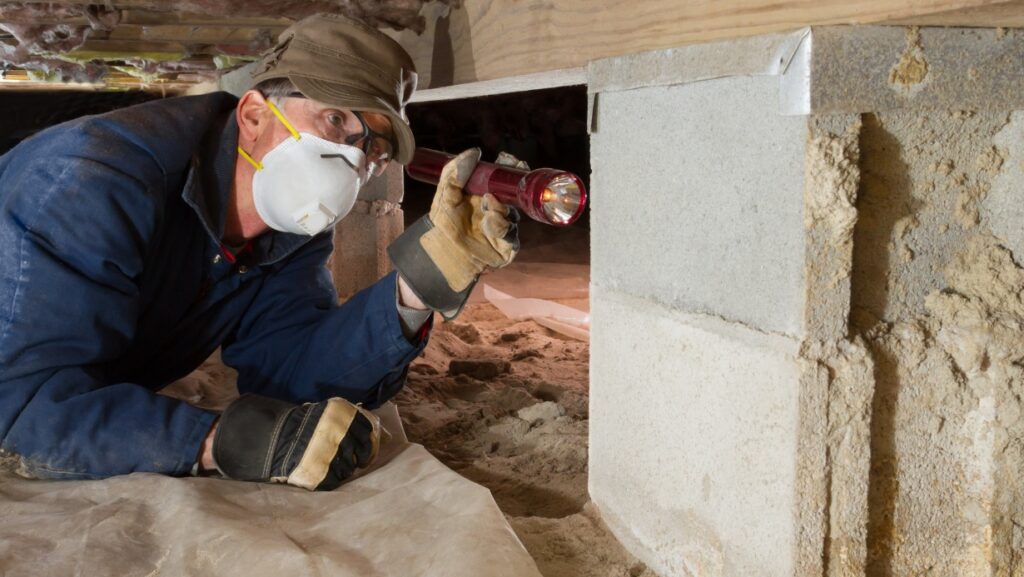
While there is no inventory required for starting a home inspection business, having the right tools and equipment is essential for providing high-quality services. Your home inspector toolkit should include items like a drone, a moisture meter, electrical testers, gas leak detectors, thermal imaging devices, and more. You may also need equipment, including ladders, stepstools, toolboxes and belts, and safety equipment.
When investing in tools, prioritize accuracy, safety, and reliability over flashy extras. Start with the essentials required in your state and by your insurance provider, then upgrade as your business grows to expand service offerings and increase inspection value for clients.
Marketing is the bread and butter of any business. Without it, you won’t be able to reach the clients you want and put your training and start-up costs to good use. Before you start marketing, complete your domain name registration to secure your preferred business name as a web address before someone else takes it. Here are some ways to start marketing your business effectively:
Staying up to date with industry trends is crucial when starting a home inspection business. Real estate and construction, which directly impact home inspection, are continuously evolving. New building materials, methods, and regulations emerge, and inspectors must be knowledgeable about these changes to provide accurate and thorough services.
Regularly attending industry conferences, participating in professional forums, and subscribing to industry publications can keep you informed about the latest trends and best practices. This not only enhances your competency but also builds your credibility and reputation in the industry, leading to more business opportunities and higher client satisfaction.
Building a successful home inspection business doesn’t happen overnight; it’s a journey that requires persistence, resilience, and time. It can take months, sometimes years, to establish a solid client base and achieve consistent profitability. During this period, it’s important not to get disheartened by initial challenges or slower-than-expected growth.
Instead, see these as learning opportunities that will eventually lead to better business strategies. Remember, every successful business today was once a start-up navigating through uncertainties.
Every business experiences growing pains, but starting a business with a franchise can help alleviate many of those pains. In most cases, franchises offer a client base and established relationships that new franchise owners can take advantage of immediately. This gives them access to leads and opportunities that would normally take an independent business owner months or even years to build.
Moreover, they have a business model that is tried and true, meaning you won’t have to experiment with different strategies to see what works best. Finally, you’ll be part of an established brand, helping you gain recognition and trust within your local community.
Success in this business comes down to trust. Do careful inspections, explain your findings in plain words, and deliver your reports on time. Agents send repeat work to inspectors who make their clients feel informed instead of scared. Keep learning, ask happy clients for reviews, and stay in touch with the agents you meet. Over time, your name becomes the one people mention first.
Another part of building a strong business is how you handle the small things. Answer calls and emails quickly, show up on time, and treat every home as if it belonged to your own family. Clients notice when you take the extra minute to walk them through a problem, and agents notice when their buyers feel calm after an inspection. Those habits add up, and they bring in the referrals that keep your calendar full.

Starting your own home inspection business may require an investment of money and resources. The amount needed will depend on what experience and resources you already have. Equipment costs may involve buying a tablet or computer, getting branded clothes, or purchasing ladders and safety gear.
The average startup cost for a home inspection business ranges from $27k to $100k+, depending on whether you join a franchise or not and which franchise you choose. Know that in starting your own home inspection business, you need a decent amount of money out of the gate to cover items like E&O Insurance and training. Still, this is a significantly smaller investment than the cost of some franchises, which can reach into the millions for restaurants and fast food outlets.
Starting a home inspection business takes more upfront money than many people expect, so it helps to plan early. Your biggest startup expenses are training, licensing fees, and exam costs, which vary by state. Equipment and insurance come next, and both are worth buying well. After you open, you will pay for report software, marketing, vehicle upkeep, and continuing education. Get local quotes before you set a budget.
»See: How Much Does It Cost to Become a Home Inspector?
Franchising allows entrepreneurs to own a home inspection business with support. It gives them the freedom and flexibility of business ownership. Investing in a franchise involves purchasing a proven business model and utilizing a popular brand. This can lead to a rapid return on investment. In many cases, they can help you with everything you need to start and manage your business, like creating a business plan, building a strategy, and staffing your business.
Starting a home inspection business can be a rewarding venture if done correctly. From creating a thorough business plan to networking with real estate agents to marketing your business effectively, each step plays a crucial role in your business’s success. The home inspection industry holds abundant opportunities for aspiring entrepreneurs, and WIN offers services that help franchise owners create multiple income streams throughout the year. These annual or seasonal home maintenance checks give inspectors flexibility and recurring business even during the real estate down season.
Choosing the right business structure and drafting clear client agreements are critical first steps for new home inspection businesses.
“When structuring a service-based business, clarity in contracts, proper entity selection, and transparent client agreements protect both the provider and the consumer. These fundamentals apply whether you’re launching a home inspection franchise or any professional practice.”
– Mike Rafi, the Founder of Rafi Law Firm
First, check your state’s licensing rules. Next, finish a training course and pass any required exam. Then buy insurance, register your business, and gather your tools. Once you have these in place, you can start meeting agents and booking your first inspections.
Costs depend on your state and the gear you choose. Training, licensing, equipment, and insurance make up most of the budget. Local quotes will give you the clearest picture.
Yes, it can be. Busy inspectors earn steady income from agent referrals. Your profit grows as your reputation and repeat work grow.
You need a license where required, training, insurance, basic tools, and report software. A legal business registration and a pre-inspection agreement round out the list.
Most clients come from real estate agents. Inspectors also win work through online reviews, a Google Business Profile, and a helpful website.