



Ready to Embark on an Exciting Journey with WIN?
Take the first step toward personal and financial freedom by filling out the interest form. One of our franchise advocates will be in touch with you soon!

Think about your current career. Are you confident that it’ll still be here in 10 years?
There is a lot of talk about artificial intelligence (AI) and the impact it may have on everyday careers. Which leads many to an important question: Is my career future-proof?
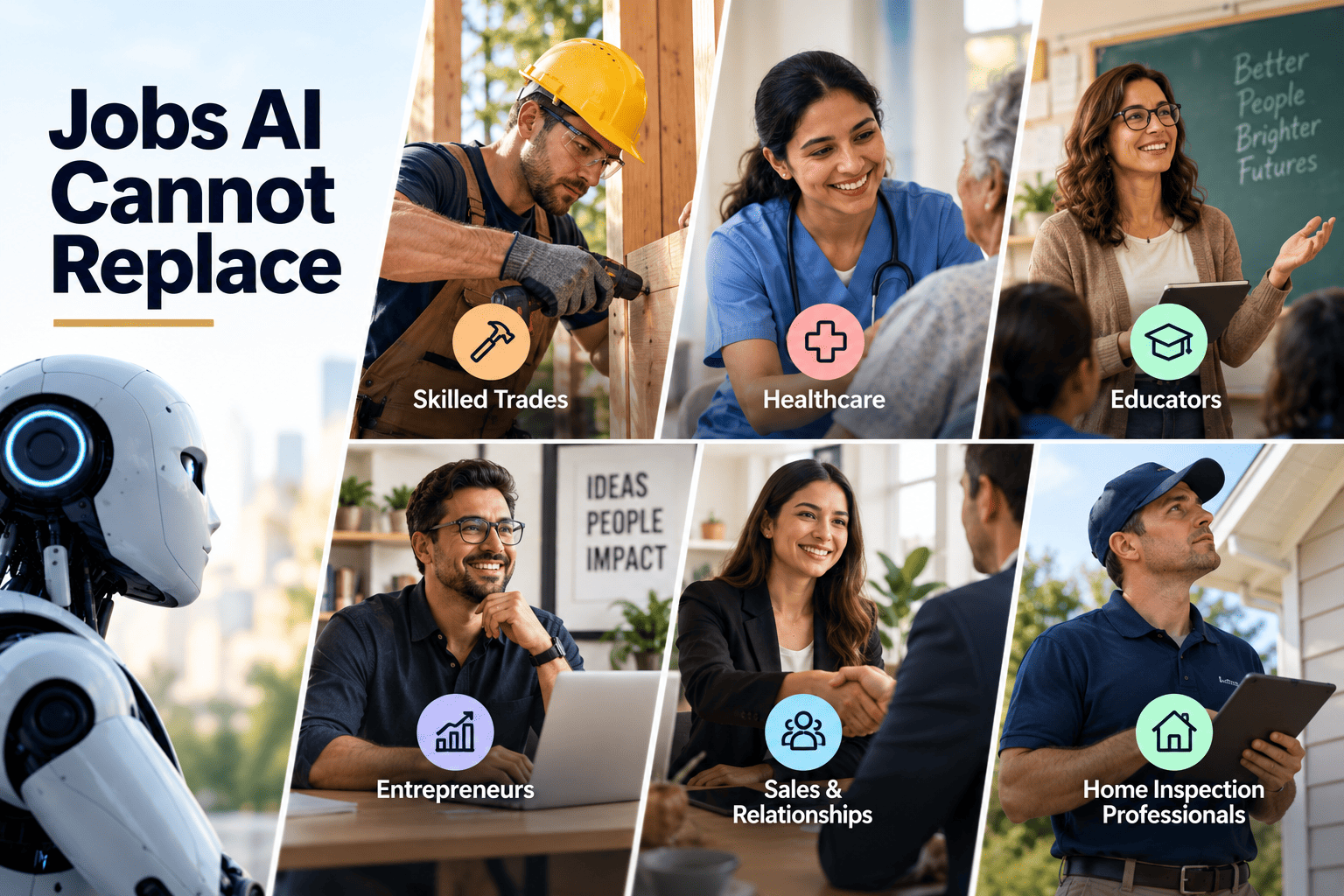
Here are the jobs that AI cannot replace.
First of all, don’t panic. Not all jobs are affected by AI in the same way. In fact, some are likely to be unaffected in terms of human presence. If anything, AI will support humans in certain roles, particularly those that are resistant to AI.
Careers that are less likely to be replaced by AI often involve:
Many professions depend on communication, empathy, and building relationships. Customers often want guidance from someone who understands their situation and can provide personalized recommendations. Humans will continue to place their trust in other humans, particularly when high-stakes decisions, deep emotional vulnerability, or complex ethical dilemmas are involved.
Jobs that require physical interaction with homes, equipment, people, or environments are more difficult to fully automate. Some areas that will remain resilient include those in the trades, home service, healthcare, and personal services.
AI can provide information, but many careers require professionals to evaluate situations, apply experience, and make decisions based on unique circumstances.
The ability to solve new problems, think creatively, and adapt to changing conditions remains a valuable human skill.
In the coming years, these are the jobs that AI cannot replace. These careers are worth pursuing if you’re concerned about the future of employment.
Skilled trades remain among the top careers that rely heavily on human expertise and physical work.
Examples include:
These careers require professionals to evaluate unique situations, identify problems, and provide solutions in real-world environments.
Healthcare roles require technical knowledge combined with human judgment and compassion.
Doctors, nurses, therapists, and other healthcare professionals work directly with people, making decisions that require communication, empathy, and an understanding of complex circumstances.
AI can assist healthcare workers, but the human relationship between professionals and patients remains essential.
Education requires more than delivering information. Teachers help students build confidence, understand challenges, and adapt learning approaches to individual needs.
AI tools can support education, but mentorship, encouragement, and personal connection remain important parts of teaching.
Entrepreneurship is one of the strongest examples of a career built around human skills.
Successful entrepreneurs rely on:
While AI can help business owners improve efficiency, building a company still requires vision, strategy, and human connection.
Sales professionals rely on trust, communication, and understanding customer goals.
AI can help analyze data and improve processes, but strong sales relationships often depend on:
These human skills remain valuable across industries.
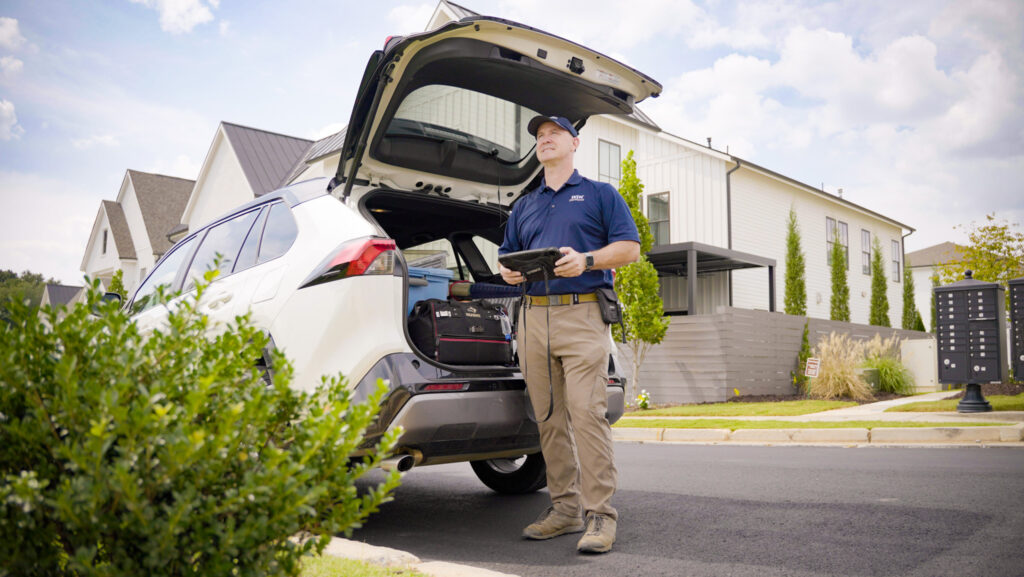
Home inspection is another example of a career where technology can support professionals but does not replace the need for human expertise.
A home inspector evaluates properties, identifies potential concerns, communicates findings, and helps clients make important decisions.
The role requires:
Technology can improve inspection processes, reporting, and efficiency, but a trained professional’s expertise and judgment remain essential.
For individuals exploring AI-resistant careers, WIN home inspection franchise offers an opportunity to build a service-based career connected to ongoing housing needs.
Many future-proof careers are found in industries where people solve problems that customers cannot easily handle themselves.
Service-based careers can offer:
From home services to professional consulting, many service businesses combine technical expertise with human interaction.
The future of work is not necessarily humans versus AI. Many successful professionals will use technology as a tool to improve efficiency while continuing to provide the human expertise customers need.
Professionals who develop the following skills will be better positioned as technology evolves
For individuals interested in entrepreneurship, service businesses can provide an opportunity to build a career around skills that remain valuable in an increasingly digital world.
A franchise model can provide additional support through:
For example, a home inspection franchise combines technical expertise, customer relationships, and a local service model.
Home inspection requires more than checking off items from a checklist. Inspectors must evaluate properties, recognize potential concerns, communicate findings clearly, and help clients understand important decisions. That is why it’s one of the jobs that AI cannot replace.
As technology continues to advance, tools may improve inspection efficiency, but trained professionals remain essential for:
This combination of technical knowledge and human interaction makes home inspection a strong example of an AI-resistant career.
Jobs involving human relationships, hands-on work, decision-making, creativity, and specialized expertise are less likely to be fully replaced by AI.
Careers in healthcare, skilled trades, education, entrepreneurship, and relationship-based services are examples of fields where human skills remain highly valuable.
Future-proof careers are typically roles that combine technical knowledge with communication, problem-solving, creativity, and human interaction.
Home inspection requires physical property evaluation, professional judgment, and customer communication, making it a career where technology can support but not fully replace human expertise.
Yes. Entrepreneurs can use AI tools to improve efficiency, marketing, customer management, and operations while still relying on human skills to make decisions and build relationships.
Skills such as communication, adaptability, leadership, problem-solving, technical expertise, and relationship-building will remain valuable as technology evolves.