


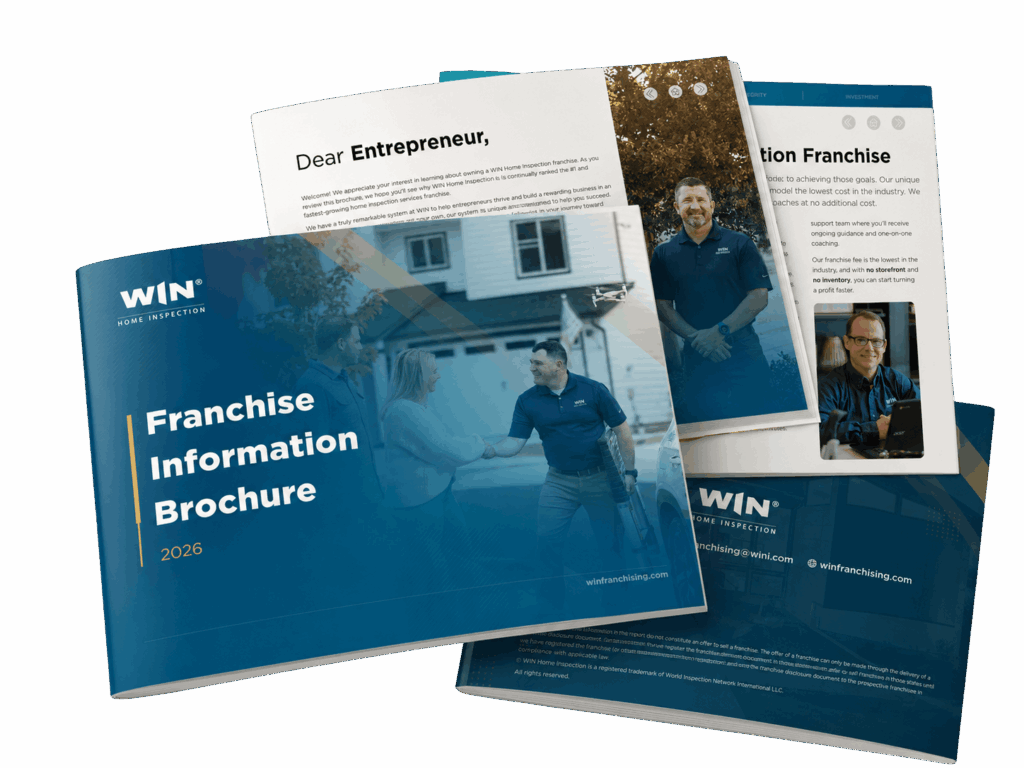








Ready to Embark on an Exciting Journey with WIN?
Take the first step toward personal and financial freedom by filling out the interest form. One of our franchise advocates will be in touch with you soon!
In 1967, a war veteran working at a menswear store decided to try entrepreneurship. Not satisfied with men’s clothing during that period, he decided to make more colorful clothing, something he would enjoy wearing.
To start, he designed a line of ties. He went from store to store selling his designs. Encouraged by the $500,000 worth of ties he sold in that first year, he launched his own brand. Today, that brand is worth $19 billion. The brand is Polo and the entrepreneur is Ralph Lauren.
This is what entrepreneurship can do for you. But how exactly do you become an entrepreneur? Getting comfortable with the process could be the difference between success and failure. Here’s a comprehensive guide to becoming an entrepreneur.
Ever dreamed of building something from the ground up? That’s the spirit of an entrepreneur. They are dreamers who come up with ideas and pour their resources into creating something. As Ralph Lauren so aptly puts it, “You have to create something from nothing.”
Entrepreneurs bet on themselves to turn simple ideas into thriving businesses. They spot opportunities in buying, selling, or transforming one thing into something more meaningful. For instance, they turn a fixer-upper into someone’s forever home.
Becoming an entrepreneur is more about mental commitment, where your mindset and determination push you to go the extra mile. It requires consistent execution, resilience, and the willingness to manage uncertainty.
Here is what it takes to become a successful entrepreneur:
Entrepreneurship often requires stepping away from the comfort of a steady 9-to-5 job and learning to make decisions with incomplete information. To minimize risks, you need to conduct thorough market research, prepare financial forecasts, and create contingency plans. Taking calculated risks allows you to explore new opportunities and create a business plan while preparing for potential challenges.
As an entrepreneur, you must be a problem solver. You need to identify business opportunities where others see frustration or challenges. At the heart of every successful business is the ability to identify a problem that your target audience faces and offer a practical solution.
You also need to think creatively when managing limited resources, including money, time, and staff. Finding ways to overcome obstacles and make the most of available resources can help your business grow.
Entrepreneurs often wear multiple hats, acting as salespeople, marketers, managers, and accountants. You need to be a quick learner and remain willing to step outside your comfort zone.
Being open to feedback, analyzing data objectively, and understanding changing customer needs can help you adapt your products or services to market demands.
However, some entrepreneurs succeed by recognizing opportunities before the market fully embraces them. For example, Jensen Huang, CEO of NVIDIA, made long-term investments in accelerated computing and AI technologies well before they gained widespread adoption. His vision and persistence helped transform NVIDIA into one of the world’s most valuable companies.
A long-term vision plays an important role in building a successful business. You need to set clear goals, stay committed to your vision, and build your business around them.
While the initial excitement of starting a business may fade over time, persistence and dedication can help you overcome challenges and achieve long-term growth.
Focus on developing a strong product or service, understanding your customers, and hiring the right people. A capable team can help you manage responsibilities, expand operations, and grow your business over time.
So, you’ve decided entrepreneurship is your calling, but do you know what it takes to become one? Let’s take a look at what separates ordinary business people from entrepreneurs:
One of the chief driving forces for entrepreneurs is the entrepreneurial mindset. Most successful entrepreneurs have a growth mindset, pushing them to create better products, develop innovations, and diversify the market. They hope that growing the market will fully utilize available resources while maximizing profits.
Successful entrepreneurs reject industry norms as absolute limits. While rules provide efficiency beyond trial-and-error approaches, only through applying them do their boundaries become clear. Entrepreneurs strategically use established rules where beneficial and break new ground where necessary.
Most entrepreneurs are driven by the desire to revolutionize existing markets by creating better solutions. Steve Jobs quipped that entrepreneurs have no respect for the status quo. They are crazy enough to think they can change the world. And because they change things, they push humanity forward.
Entrepreneurs are known for their essential entrepreneurial skills. They introduce new products and services that enhance the standard of living. Many entrepreneurs identify gaps in markets and develop solutions to solve them. Additionally, they create jobs, and the taxes paid spur economic growth.
There are countless motivations that drive entrepreneurs to success. Chief among them is the motivation to pursue their dreams at all cost, eyes on the prize. Entrepreneurs also have a passion to make a difference in society. Overall, they have the self-belief that they can spur the change.
For many entrepreneurs, following market trends is not an option. It is up to the market to follow their moves. They create goods and services so loved by the community that competitors must imitate or perish.
Entrepreneurs have a strong desire to create vibrant community spaces beyond work and home (third places). The goal is to offer personalized services tailored to local needs, aiming to enrich community life and strengthen social bonds. Entrepreneurs want to attract the best talent for the betterment of their communities.
Successful entrepreneurs view setbacks as chances to grow. They learn from mistakes and persist toward their goals. Even when hypotheses fail or ventures falter, their willingness to keep going forward drives them to eventual success.
One of the key steps in the entrepreneurship journey is identifying the opportunities. Kick off your entrepreneurial quest by looking inward. What bugs you about this particular industry? What “job” needs to be done better to get it running like a well-oiled machine?
Loads of big wins started this way, like Sara Blakely, who founded Spanx after she wanted underwear that didn’t show through her pants. If the proposed venture has a chance for a fresh market entry or shaking up the industry, there’s potential in it.
You don’t need a fancy degree to become an entrepreneur. However, you must arm yourself with relevant knowledge to avoid repeating rookie mistakes. Here’s how to go about it:
● Shadow a seasoned pro.
● Read books about entrepreneurship (like The Lean Startup and The $100 Startup).
● Sign up for courses that break down entrepreneurship deals (like the Dale Carnegie course endorsed by Warren Buffett) or home inspections (WIN training program by WIN Home Inspection).
The more you know about the ins and outs of entrepreneurship, the more confident you’ll be about making strategic moves.
You’re halfway to success when you pick a niche that ignites your passions. Doing what you enjoy provides the fuel needed to keep you motivated when the going gets tough.
If you’re doing something you love that increases your chances of thriving. How? When you love what you do, you’re naturally good at it. Your ability to spot a property’s potential becomes second nature.
The skills you develop will help you tackle real problems with ease. You can pick from a variety of niches, like:
Selecting the right niche that matches your passion and skills could be the rocket fuel that propels you to success.
How do you know you have a winning idea? Research. Start with local business owners. Survey a handful of them to uncover their pain points. Most local businesses need dependable solutions to ease buyer worries.
Let’s say you want to start a home inspection service. How do you know this service is needed in that area? You find out how many homes are on sale in your location. Browse home-selling sites. Visit local real estate pages on social media platforms. Drive around and ask. You never know, you might even discover a big real estate firm nearby with enough jobs to justify a partnership.
Thereafter, scrutinize competitors. Are other inspection services slow or overpriced? That’s your chance to shine with a fast, affordable model, like the one WIN Home Inspection offers.
That is also your best chance to validate the business, like how Airbnb corroborated demand for their idea is by renting air mattresses during a conference. You can use free tools like Google Trends to gauge interest in an idea.
When preparing for a long road trip, you wouldn’t hit the highway without the right navigation maps, would you? That’s what a business plan is to a startup.
A business plan showcases your big vision. It turns your passion into action. Sit down and dream big: What kind of deals light you up? Who’s your ideal customer? How will you run day-to-day operations? Jot down your goals and financial targets.
This plan is your personal treasure map. It will help keep you focused on tackling every milestone as you build your empire.
If you’ve got no idea where to start, use templates from sites like Bplans or SCORE for structure.
How much funding you can secure will play a big role in determining your investment path. Here are popular ways of getting the capital flowing:
When everything is in place, it’s time to launch. But that doesn’t mean the hard work is over. You now have to think about scaling the business. Scaling up is about identifying and repeating your successes.
Dive into your data and use those insights to steer your next move. Lean on your team, too. Hire seasoned pros to learn more about the market. These should guide your decisions when you decide to expand.
Building an entrepreneurship empire can often be a marathon, so be patient. Think of Netflix’s journey; they went from distributing DVDs to streaming videos to making their own award-winning content. The company grew revenue from $2.1 billion in 2010 to $41.6 billion in 2025.
Your network is the rocket fuel of the entire business. Connecting with industry veterans can unlock doors you didn’t know existed. Set up coffee meetings with some bigwigs, and they might tip you off on market-changing dynamics. They may even introduce you to lenders who align with your mission. Don’t miss out on industry events or local meetups. It also helps to be active in related online forums.
The entrepreneurship journey is no walk in the park, but it’s not impossible. One of the best ways is franchising, which allows you to launch a business with a proven business model under a brand with name recognition.
Franchising makes it easier to become an entrepreneur than starting independently. For instance, if you want to own a home inspection franchise, WIN Home Inspection offers an opportunity to become an entrepreneur with an established and proven franchise business model. Consistently ranked the #1 home inspection franchise in the U.S. for three consecutive years, WIN offers a low-overhead business model that helps reduce financial risk and provides greater operational flexibility.
Furthermore, WIN provides comprehensive in-house training, hands-on mentorship, and ongoing business support. With a continuously improved business model, dedicated marketing assistance, and in-house technology support, WIN equips aspiring entrepreneurs with the tools, guidance, and resources they need to build and grow a successful home inspection business.
Schedule a free consultation with us today if you need help with starting a franchise at a low cost.
You can become an entrepreneur without prior business experience by starting with a clear business idea and understanding your target market. Learn the basics of budgeting, marketing, and customer service. Start small, gain practical experience, and seek guidance from experienced business owners. You can also explore franchising, which offers an established business model, training, and ongoing support to help you get started.
Successful entrepreneurs need strong leadership, communication, problem-solving, and decision-making skills. You should also understand financial management, marketing, and customer service. Being adaptable helps you handle unexpected challenges and changing market conditions. Most importantly, you need discipline, patience, and a willingness to learn from mistakes. These skills can help you manage daily operations, build customer relationships, and grow your business.
The amount of money you need depends on the type of business you want to start. Some home-based businesses require only a few thousand dollars, while others need a larger investment. Consider startup expenses, equipment, licensing, marketing, and operating costs. You can also explore small business loans, grants, or franchise financing options to help cover your initial investment.
Yes, buying a franchise can be a great way to become an entrepreneur, especially if you have limited business experience. Franchising gives you access to an established business model, brand recognition, training, and ongoing support. You can focus on building customer relationships and growing your business instead of starting everything from scratch. However, you must follow the franchisor’s guidelines and pay the required fees.
Service-based businesses are often easier to start because they generally require less equipment, inventory, and overhead. Popular options include cleaning services, consulting, lawn care, and home inspections. A home inspection franchise can be an attractive option for first-time entrepreneurs because it offers structured training, established systems, and business support. Choose a business that matches your interests, skills, and available budget.