

Ready to Embark on an Exciting Journey with WIN?
Take the first step toward personal and financial freedom by filling out the interest form. One of our franchise advocates will be in touch with you soon!



Congratulations on becoming a home inspector! You have stepped into an exciting career where you will uncover hidden issues in homes and help homeowners and buyers make informed decisions.
Being your own boss gives you the freedom to make decisions and manage your business on your terms. However, it also comes with responsibilities, from handling multiple clients and answering their questions to building strong relationships with real estate agents and managing daily operations.
So, what can you really expect from this career? Let’s explore the pros and cons of being a home inspector to help you understand both the opportunities and challenges of home inspection business.
Home inspection offers a potentially lucrative career. You’ll work closely with property buyers, sellers, and real estate agents as you check a property’s condition. You’ll probably find it easier if you’re a natural problem-solver and have a keen attention to detail.
And while getting started requires familiarizing yourself with a variety of tools and procedures, it gets easier with practice. As you build skills and confidence, you’ll be able to fulfill comprehensive home property inspections and generate insightful reports.
Here are the main home inspector pros and cons:
https://www.homeinspector.org/ https://www.nachi.org/
Pros of Becoming a Home Inspector
The cons of becoming a home inspector
As a home inspector, you’re professionally trained and certified to detect the true condition of a residential property. Pre-listing inspections can improve home buyers’ confidence before they complete a transaction.
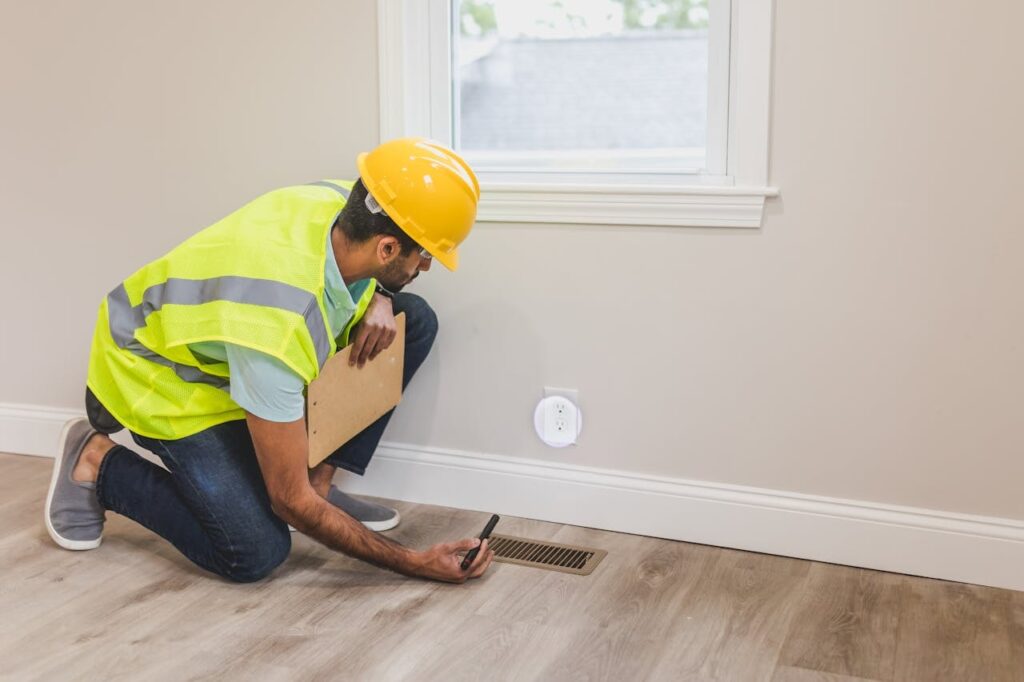
Essentially, as a home inspector, you could be squeezing through a crawlspace to inspect insulation issues, and the next moment you’re scaling ladders for roof work.
Your job carries significant responsibilities, which may include:
Yes, becoming a home inspector can be challenging, but with the right training and preparation, you can build a successful career.
Here is what it takes to become a successful home inspector:
Some states require over 100 hours of formal education, passing the National Home Inspector Examination (NHIE), and completing field training. However, a few states have no licensing requirements at all. It is important to understand your state’s requirements before starting your career.
Home inspectors must follow the Standards of Practice (SOP) established by their state or professional associations, such as ASHI or InterNACHI, where applicable. These standards define what inspectors should examine and what falls outside the scope of an inspection.
You should also learn to use digital reporting software and inspection tools such as thermal imaging cameras, moisture meters, and, in some cases, drones for roof inspections. Mastering these tools can help you conduct more thorough inspections and deliver detailed reports.
The early stages of a home inspection career can be challenging. Every home presents different issues. One property may have serious foundation problems, while another may have plumbing or electrical issues.
With proper guidance, hands-on training, and mentorship from experienced inspectors, you can gradually build your confidence, sharpen your skills, and grow professionally.
As a business owner, you must manage everything from marketing and bookkeeping to scheduling inspections and providing customer service.
Your success also depends on building strong relationships with local real estate agents. By delivering reliable inspections, communicating clearly, and providing excellent service, you can earn their trust and encourage referrals from agents, homebuyers, and sellers.
The hardest part of how to become a home inspector is that you’ll need to meet physical demands and have business sense.
You might find the first few months hard as you combine technical skills with manual tools. You’ll need to become proficient with tools such as moisture meters, gas detectors, and drones for inspecting hard-to-reach areas.
You’ll find a home inspection career to be mostly hands-on. A typical on-site visit could involve navigating tight attics, scaling roofs, and inspecting dirty and dusty areas. You’ll want to rest and recharge while drumming up business during low-activity periods.
There’s significant accountability involved, since inspectors reveal property conditions to prospective home buyers, as well as sellers or homeowners who just want to maintain their home. You might also take longer than required initially as you double-check your observations.
Newcomers often face stiff competition. You’ll need to invest significant time in developing client trust and connecting with real estate agents, who will likely be your primary source of referrals. You’ll also need to understand seasonal market fluctuations and how to optimize low activity periods by upskilling and attending real estate networking events.
Despite the initial challenges, building a successful home inspection career could be easier than it seems.
A home inspection career doesn’t require a degree, so certification takes much less time. You can get certified by enrolling with an industry authority like the American Society of Home Inspectors (ASHI).
These organizations provide the materials, resources, and training needed for a home inspection license. Training institutes also offer specialized courses for radon or mold inspection to boost your credibility as a home inspector.
Home inspections become easier with repetition, as they involve many standard steps and processes. With time, you’ll build trust and get more referrals for a stable, scalable income.
Modern tools can help inspectors work more efficiently and create easy-to-understand reports. For example, thermal imaging can identify hidden issues, and reporting software can make it easier to organize results and share them with clients.
As a home inspector, you’ll have a fairly flexible schedule. You can take a break or time off as needed.
» Dig deeper: Home Inspector Certification Requirements (Plus How To Get Clients From Day One)
Home inspection has a steep learning curve, and managing multiple on-site processes can be overwhelming. However, you can make it less stressful by:
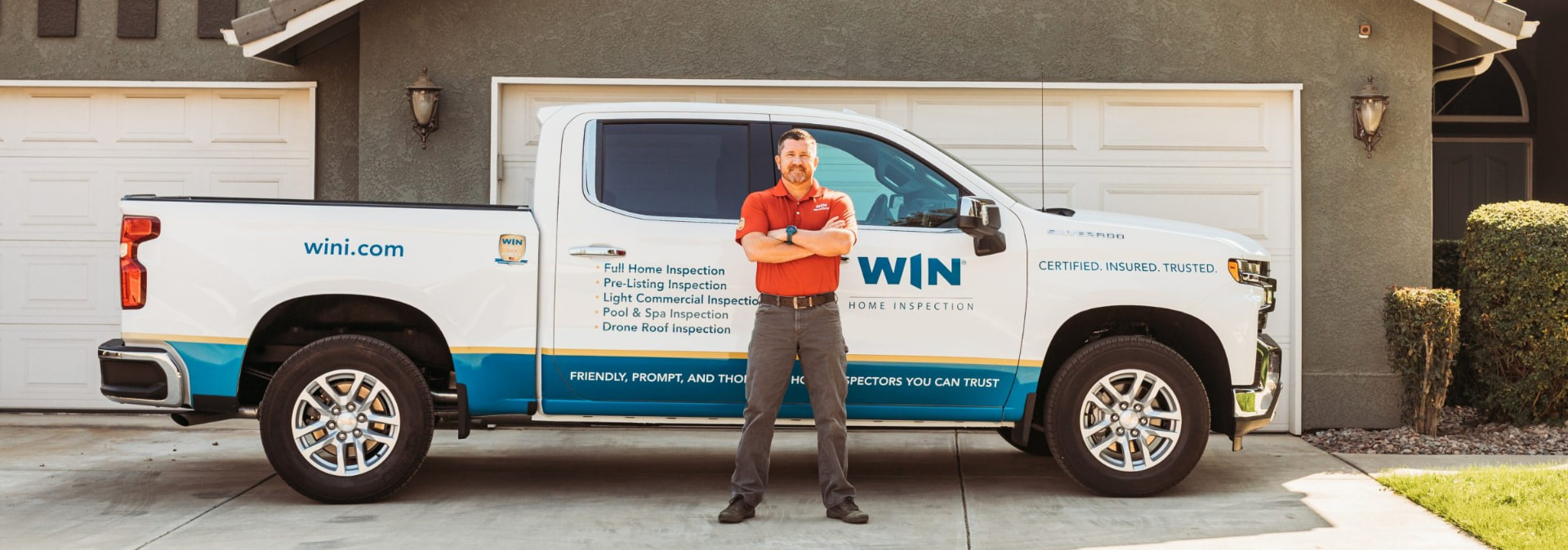
WIN Home Inspection is an industry-leading franchise that smooths the journey with built-in training and dedicated marketing support.
The #1 franchise company offers comprehensive in-house training that empowers inspectors with a comprehensive toolkit for managing every inspection, including those beyond standard offerings. This, along with the company’s proprietary technologies (i.e., robust cloud-based CRM), gives WIN home inspectors a winning edge in a competitive market.
Putting it all together, here are two key considerations for deciding “Is home inspection a good career?”
The ideal home inspector is observant, a dedicated learner, and self-driven. These qualities make it easy to keep up with the best practices in residential property inspection.
It’s also important for candidates to maintain a professional work ethic. Home inspection requires solid customer service skills, which require more than just technical knowledge of housing structures and inspection processes.
While the home inspection business comes with its own challenges, it also offers women entrepreneurs an opportunity to build successful careers with the right training, guidance, and mentorship. Although women remain underrepresented in the industry, hundreds of women-owned building inspection businesses hold SBA certifications. This reflects a gradual shift in the industry as more women explore opportunities in home inspection and business ownership.
WIN Home Inspection gives franchise opportunities for women to encourage female franchise ownership, mentorship, and professional growth within the company.
Home inspection can be rewarding, and it’s beginner-friendly. The work is also more manageable if you’ve got experience in construction or home remodeling. So it helps to brush up on building basics during the pre-licensing stage to understand a residential property’s structural components.
To succeed, you’ll need a positive learning mindset to stay up to date with the latest tools and standards. Always check state requirements, as they vary widely.
Accurate reporting, effective time management, and positive homeowner reviews are essential for securing real estate agent referrals and generating long-term income. That’s where a franchise company like WIN Home Inspection can help.
Book a free consultation with the fastest-growing home inspection services in the US to learn quickly and succeed in your business.
Being a home inspector offers several benefits, including flexible working hours, business ownership, independence, and opportunities for growth. You also get to visit different properties and meet new people. However, the job involves physical work, attention to detail, and responsibility. If you run your own business, you must learn to manage marketing, scheduling, and customer relationships.
Becoming a home inspector can be challenging initially, but proper training and hands-on experience make the process easier. Understanding home systems, learning inspection techniques, and meeting your state’s licensing requirements is crucial in the starting stage. Also, working alongside an experienced inspector can help you find hidden issues, use inspection tools, and prepare accurate reports. With practice and mentorship, you can build confidence in your skills.
One of the hardest parts of being a home inspector is finding potential problems while inspecting different types of properties. Every home has unique issues, from foundation cracks to plumbing leaks. Always pay attention to small details and communicate your findings clearly. For new inspectors, finding clients and building a strong reputation can also be challenging.
Yes, home inspection can be a rewarding career if you enjoy working independently, solving problems, and helping people make informed decisions. Start your own business, manage your schedule, and grow your income as you gain experience and clients. The career also offers opportunities to expand into services such as radon testing, sewer scope inspections, and other specialized inspections.
Absolutely! Women can build successful careers as home inspectors and business owners. The industry offers opportunities for anyone willing to learn, develop technical skills, and provide reliable inspection services. With proper training, mentorship, and hands-on experience, women can establish their own inspection businesses, build relationships with real estate professionals, and create rewarding careers in a traditionally male-dominated industry.
To become a successful home inspector, you need strong observation, problem-solving, and communication skills. You should understand basic home systems, including roofing, plumbing, electrical, and HVAC. Learning to use inspection tools and digital reporting software is equally important. If you plan to run your own business, marketing, customer service, and time management skills will also help you succeed.