Many home inspection services add value to property evaluations. And infrared (IR) scanning is one of them. This technique helps inspectors spot temperature changes. In many cases, it signals issues that aren’t spotted during a visual inspection.
For example, certain materials may heat and cool in unexpected ways. This effect may warn that something behind the surface is influencing these changes.
For homeowners, buyers, and commercial property managers, this added layer of insight can make all the difference.
It is not uncommon for trapped moisture, energy-loss spots, or overheated electrical components to remain hidden. Once they become known, they have already turned into expensive repairs.
IR technology helps bring potential concerns to light in a safe, non-invasive way. This proactive approach creates greater confidence in the property's condition. All while reducing the risk of costly repairs that could have been avoided if action had been taken sooner.
What Is Infrared (IR) Scanning?
Infrared scanning reads temperature differences on the surface of materials.
Every object emits heat, and IR cameras detect that heat. A reading is displayed as a colored image that shows warmer and cooler areas.
When a section of a wall or ceiling becomes the focal point of an IR image, it means that something is affecting its temperature. Some examples include:
- Moisture
- Missing insulation
- Electrical resistance
IR does not ‘see through walls. Instead, it reads the surface temperature.
Inspectors use their experience to interpret possible causes. A cool section may suggest moisture. However, an unusually warm spot may indicate electrical activity or airflow. Since the process is non-invasive, it offers a quick way to gather information about a property without removing materials or causing disruption.
How IR Scans Work

Infrared scans rely on a thermal camera. This device measures surface temperatures and transforms those readings into colour images. Warm areas often appear bright, and cooler areas appear darker. Inspectors compare these temperature patterns against what would be expected in a well-performing home.
When something looks out of place, that often requires further investigation. This system is helpful in areas where leaks, airflow issues, or poor insulation are common.
While the process seems simple enough, it requires experience. Interpreting an IR image takes training because temperature differences do not always indicate damage. Weather, sunlight, humidity, and HVAC all influence how materials heat and cool.
A skilled inspector understands how to account for these conditions. They will then verify any suspicions using moisture meters, visual checks, or other diagnostic tools.
Bottom line: IR offers powerful insight, but it is most effective when combined with professional judgment.
What IR Scans Commonly Detect
Infrared scanning helps uncover issues early, before they worsen. By highlighting temperature changes, inspectors know to take a closer look. Some of the most common findings include the following.
Moisture Intrusion
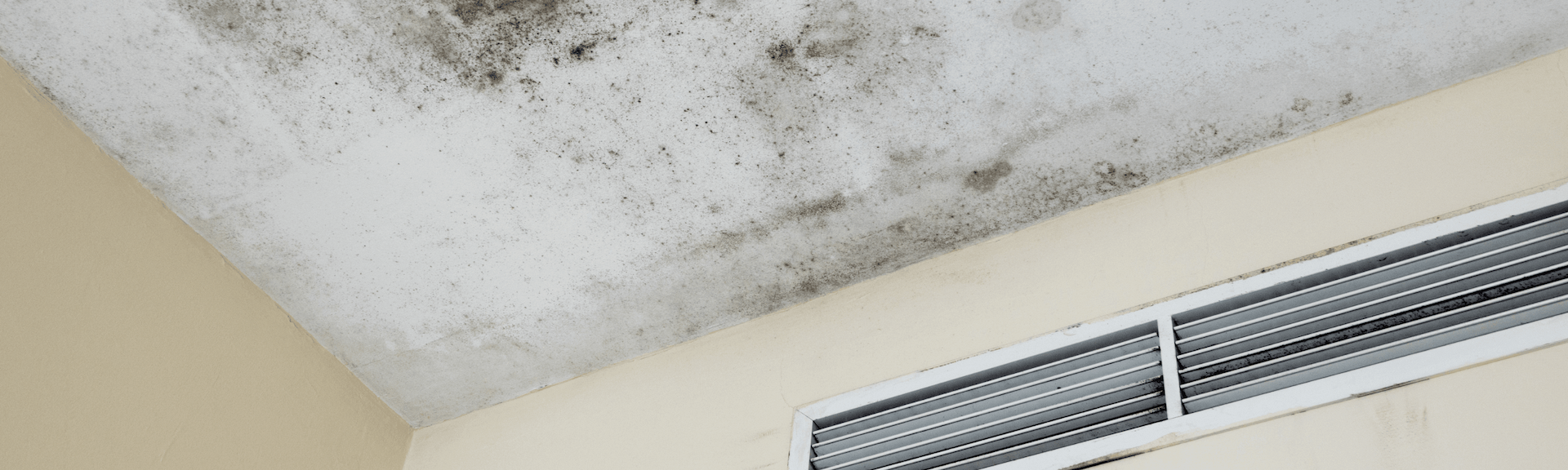
Moisture often creates cooler areas on surfaces. These spots show up clearly on thermal images. Inspectors will identify these affected areas. Causes could include plumbing leaks, roof leaks, wet insulation, or foundation seepage. Detecting moisture early helps prevent mold and structural deterioration.
Electrical Concerns
Overheated wiring or loose connections generate excess heat. IR scanning brings attention to these warm spots long before a component fails. In severe cases, these issues threaten homeowner safety. Since electrical issues are a common cause of residential fires, early detection is critical.
Temperature inconsistencies? These can be due to uneven heating and cooling, leaky ducts, or blocked registers. IR highlights these patterns so inspectors can pinpoint where airflow is disrupted. It’s vital to find the location where the system is working harder than it should. This detection helps homeowners improve comfort and energy efficiency.
Roofing and Insulation Problems
IR technology helps spot wet sections of a roof. In many cases, insulation is missing or compressed. These concerns often go unnoticed until energy bills increase or leaks begin. The goal is to address insulation problems or leaks before costs skyrocket.
Benefits of Using IR Scans During Inspections
Some of the main benefits of IR scans include:
- Infrared scanning adds an added layer of protection during a home inspection. It offers insight that cannot be gained from a visual review alone.
- Since the process is non-invasive, inspectors can identify issues without cutting into drywall or opening ceilings. They can then see a more complete picture of how the home is functioning. They will then report whether hidden concerns might become major repairs later.
- IR also reduces uncertainty. Rather than guessing why a wall feels cooler or why a ceiling is discolored, inspectors can provide answers. Temperature patterns will then guide the next steps.
- This technology provides clearer explanations for homeowners and buyers. With that information, they can decide which repairs truly need attention. When combined with standard inspection methods, IR scanning is an effective way to assess a property’s overall condition.
Limitations of IR Scans
While helpful, infrared scanning does not diagnose problems on its own.
Temperature differences indicate that something may be happening. That knowledge leads to follow-up measures. Additional testing is usually needed to confirm the cause.
For example, a cool spot is not always caused by moisture. Just as a warm place is not always electrical. Inspectors use IR as a guide and verify their findings with other tools.
Environmental conditions can also influence readings. Sun exposure, rain, outdoor temperature, and the operation of heating or cooling systems all affect how surfaces appear in an IR image. As a result, skill and timing play a significant role in achieving accurate results.
Bottom line: Trained inspectors don’t make assumptions. They understand that IR is a supportive tool. It is not a substitute for hands-on evaluation.
Things Most People Do Not Consider
Infrared scanning is highly dependent on the environment and on the variables that influence the IR image. The experience of the person capturing the IR scan is just as imperative.
Why?
Because not every temperature change signals a problem. Just as not every issue will show up in a scan.
Bottom line: IR works best when combined with other inspection tools and the expertise of a trained professional. IR scans can often reveal early concerns in homes that appear perfectly fine on the surface. These concerns then trigger a deeper investigation that may have otherwise been missed.
How IR Scanning Fits Into a Home Inspection
Inspectors typically use IR scanning to examine areas where problems are likely to develop. This ability comes with experience. They know to check walls near plumbing, ceilings under the roof, electrical panels, or sections of the home where insulation performance is important.
IR helps inspectors determine whether a concern is minor or when additional testing is needed.
At WIN Home Inspection, infrared scanning is used to help uncover potential health and safety issues that may be hidden behind walls or ceilings. By identifying problems such as concealed moisture or overheating electrical components early, homeowners can make better-informed decisions. These decisions typically lead to cost savings.
Bottom line: IR supports the consultative approach many inspectors take and provides additional clarity without disrupting operations.
The Path Forward for Homeowners and Buyers
Infrared scanning provides better insight into your property. You can then plan repairs or updates much more easily and budget accordingly. When a scan reveals a potential issue, you can address it early rather than waiting for visible damage. If the scan shows that everything is performing well, it provides reassurance that the home is in good shape.
Buyers often feel more confident in their purchase, and homeowners appreciate having a clearer understanding of their property. Are you preparing for an inspection or considering one? A quick conversation with a qualified inspector can help determine whether IR scanning is a good fit for your situation.
WIN Home Inspection can help you navigate this process with clarity and confidence. Contact our team today to schedule an Infrared (IR) Scan or a Full Home Inspection.