For many people, finding an affordable path to home ownership can feel overwhelming. It is not just about the price, but also about finding something that feels practical in the long run. That is where manufactured homes start to make more sense for a lot of buyers today.
Built in a factory and transported to a prepared site, these homes are often quicker to set up and usually cost less than traditional site-built houses. Some people choose them for the savings, others for the simplicity of the process. Either way, they have become a common option worth considering. When exploring this, most buyers end up comparing single wide vs double wide homes at some point.
Even though both fall under the manufactured housing category, the differences between them are not always obvious at first. Size, layout, pricing, and long-term value can all vary depending on what you choose. Taking a bit of time to understand these differences can help you decide what fits your lifestyle, budget, and future plans.
What Is a Single Wide Manufactured Home?
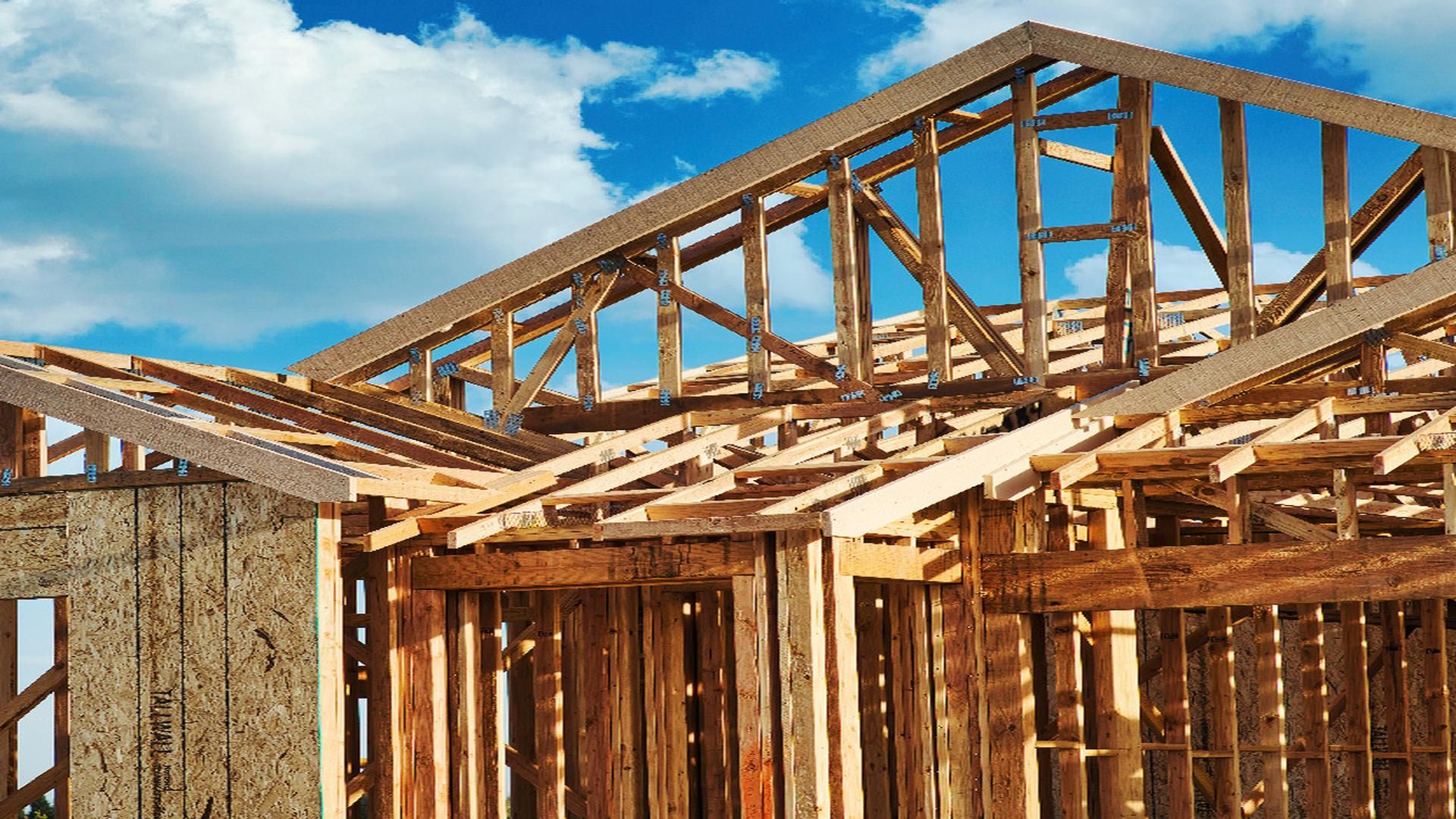
A single wide manufactured home is a factory-built housing unit that’s made as one complete section and then transported to its final location in a single piece. There’s no joining parts later, so the whole thing shows up as is. Because of that, the installation process is usually simpler, and in many cases, it ends up being more affordable than dealing with larger multi-section homes. These homes are built on a permanent chassis and follow federal standards, so they’re not as basic as some people assume.
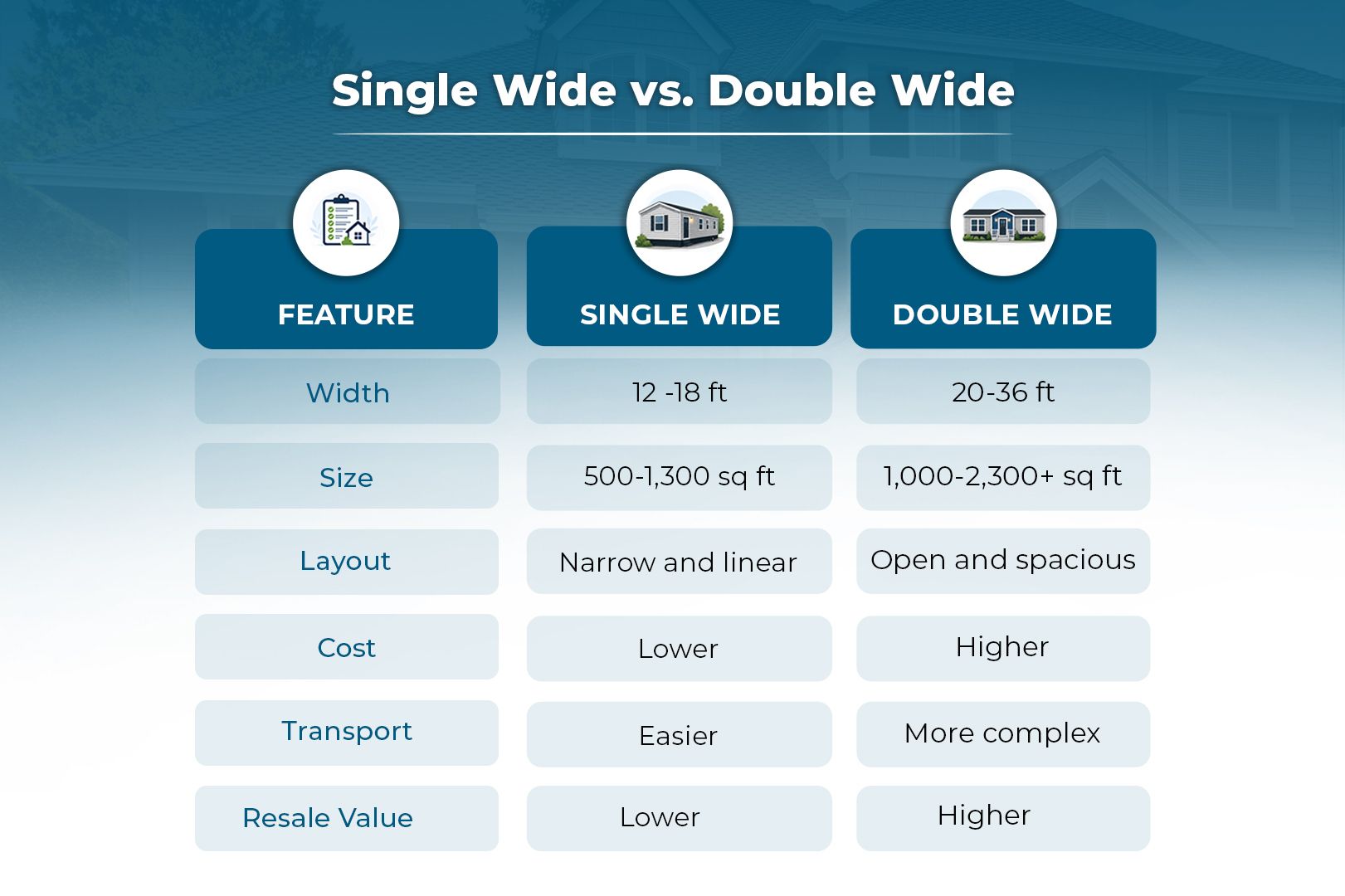
They’re not very wide, typically somewhere between 12 and 18 feet, so the layout ends up being more compact. Rooms are arranged in a straight, almost hallway-like flow. It’s not spacious, but it works. You still get the essentials like a kitchen, bathroom, bedroom, and a living area. For someone who just wants a practical place without spending too much, it does the job.
What Is a Double Wide Home?
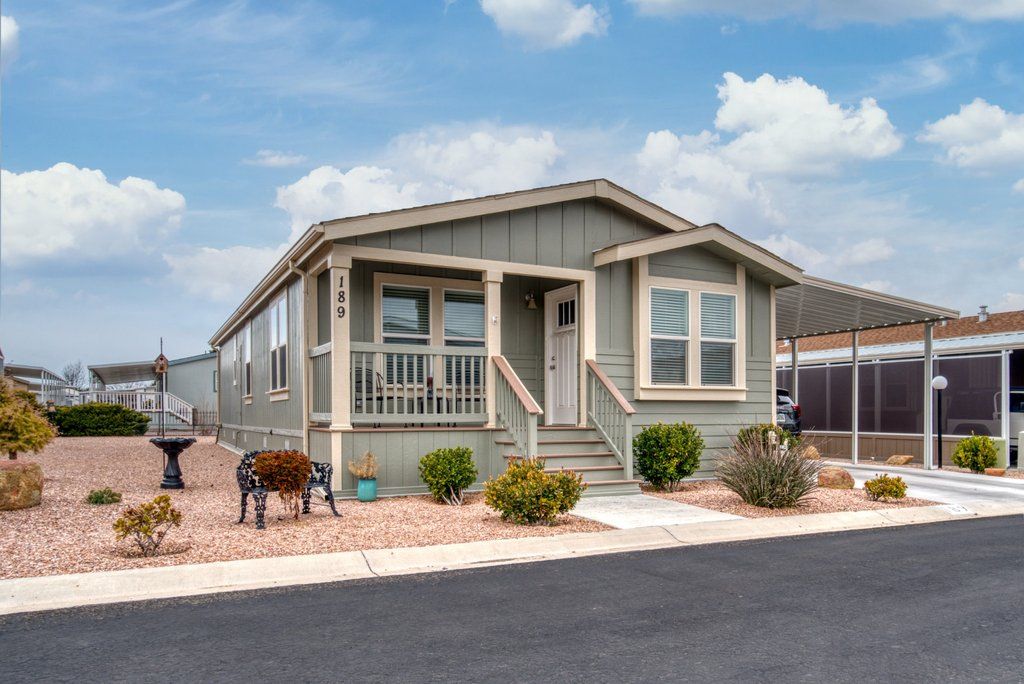
A double wide home is also a manufactured home, but this one is built in two separate sections. Those sections are transported to the site and then joined together during installation. That step alone makes a noticeable difference once everything is set up.
Most double wide homes start at around 20 feet in width, so there’s clearly more room to work with. The layout doesn’t feel as tight, and things are spread out in a way that feels a bit more natural. You’ll often see larger living areas, more than one-bedroom, extra bathrooms, and overall, a setup that feels closer to a traditional house. That’s usually why families or buyers thinking long term tend to lean toward this option.
Single Wide vs Double Wide: Key Differences
When you hear single wide vs double wide, it sounds like a simple comparison, but it’s not always that straightforward. A single wide is smaller, comes in one piece, and is easier to deal with overall. You don’t have to think too much about installation, and the cost stays on the lower side, which is why many people start here. It’s not fancy, but for a lot of buyers, it’s enough.
With a double wide, things feel a bit more open. It’s made in two sections, so once it’s set up, the space doesn’t feel as tight. Some people prefer that extra room, especially if they’re planning to stay for a while. The price is higher though, so it’s usually a trade-off. When it comes to single wide vs double wide, most decisions end up being simple in the end, either you want to save money, or you want more space.
Mobile Home Sizes and Layout Differences
Understanding mobile home sizes is one of those things that seems simple at first, but it actually changes how the place feels once you’re inside it. A smaller home can feel fine for one person, but for someone else it might feel a bit tight. That’s why smaller homes are usually planned in a way where every bit of space is used properly. Bigger homes don’t have that same issue; they just feel more open without trying too hard.
You’ll usually see smaller units somewhere around 500 to 1,300 square feet, and larger ones going from about 1,000 to over 2,300 square feet. These numbers don’t always mean much until you picture it. It could be a slightly bigger living room, or space where you can place a dining table without adjusting everything else. Sometimes it’s just about not feeling cramped all the time.
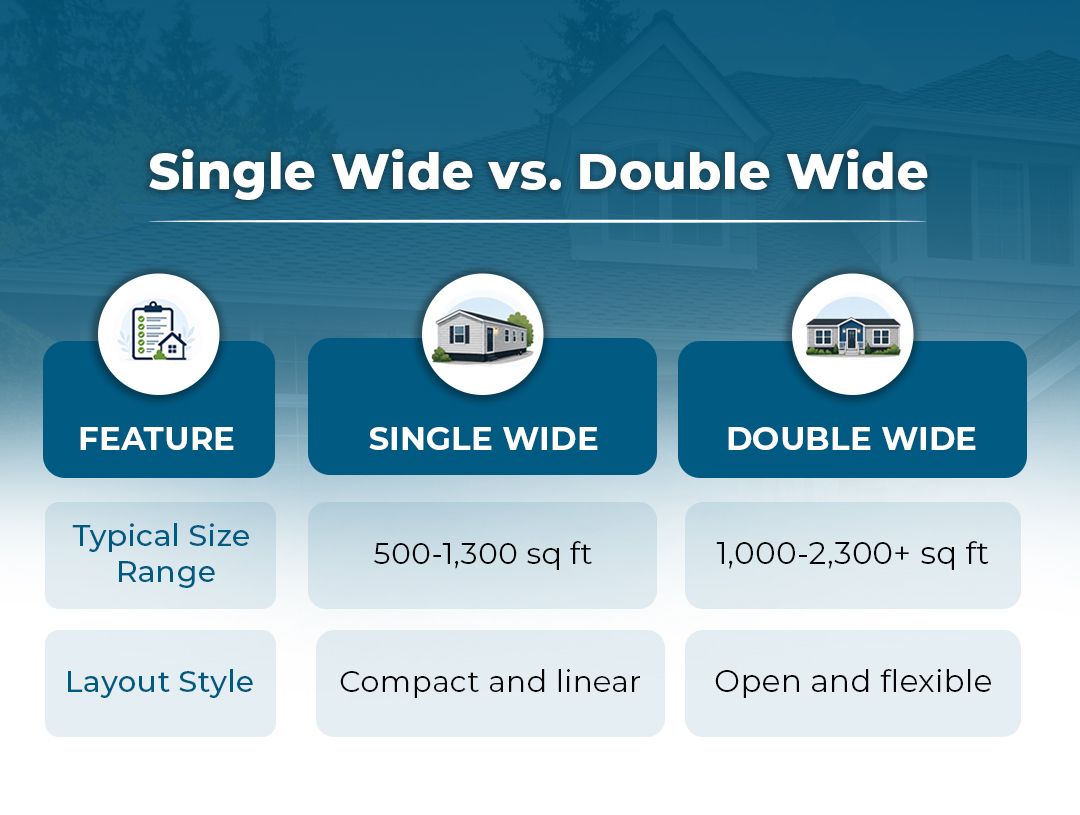
Another thing people don’t really think about in the beginning is placement. Smaller homes are easier to work with when space is limited, so fitting them in is not that complicated. Larger homes need more room, obviously, but they also give you more flexibility once everything is set. It’s a bit of a trade-off, like most things.
Cost of Single Wide vs Double Wide Homes
When you compare single wide vs double wide homes, the price gap shows up quickly. The cost of double wide manufactured home options is generally higher, mostly because there’s just more space and more material involved. A single wide home usually sits around $88,000, while a double wide home is closer to $152,000. Some people are okay with that difference. Others stop right there and rethink things.
The base price is only part of it though. Setup can change the numbers more than expected. A single section is easier to handle, but a double wide needs more work once it reaches the site. Then come the extra things. Land, permits, small upgrades inside. Nothing feels too big on its own, but together it adds up.
Cost per square foot is something people often ignore in the beginning. A double wide costs more overall, yes, but the space feels more usable. You’re not adjusting things all the time or trying to make everything fit. Some buyers see that as worth paying for. Some don’t. It really depends on what matters more in the end.
Pros and Cons of Single Wide vs Double Wide Homes
When comparing single wide vs double wide homes, looking at the advantages and drawbacks separately makes the decision much easier. Each option serves a different type of buyer, so understanding where each one stands can help you choose with confidence.
Single Wide Homes
Pros:
- Lower purchase cost, making it a budget-friendly option
- Simpler and faster installation process
- Lower ongoing expenses like utilities and maintenance
- Suitable for smaller plots of land
Cons:
- Limited living space and storage
- Layout can feel narrow and less open
- Lower resale value compared to larger homes
- Fewer customization and design options
Double Wide Homes
Pros:
- More spacious interiors with better room distribution
- Open layout that feels closer to a traditional house
- Higher resale value and long-term appeal
- More suitable for families or shared living
Cons:
- Higher initial investment
- Installation requires more time and planning
- Increased utility and maintenance costs
- Needs more land and proper site preparation
If your priority is affordability and ease of setup, a single wide can be a practical choice. If you are looking for more space, comfort, and long-term value, a double wide is often the better option.
What Home Inspectors Look for in Manufactured Homes
Before buying, a mobile home inspection is something you don’t want to ignore. A place can look fine at first, but small issues are easy to miss. Manufactured homes follow HUD standards, so there’s a basic level of safety and construction, but that doesn’t mean everything is perfect once the home is set up. Inspectors usually start with the obvious things. Foundation, levelling, plumbing, electrical. If there’s a problem, it often shows up in one of these areas. Moisture is another one that comes up more than expected, and ventilation too, especially in smaller spaces where air doesn’t move much.
For bigger homes, the inspection feels a bit different. The connection point between the two sections, the marriage line, is something inspectors pay attention to. If there are gaps or things don’t line up properly, it can turn into a bigger issue later. Roof alignment and insulation also get checked, along with how well the HVAC system is working across the whole home. It’s not just about one issue; it’s more about whether everything works together the way it should. A service like WIN Home Inspection can help catch these things early, which makes the decision a bit easier when you’re close to finalizing
Which Is Better: Single Wide or Double Wide?
If you are trying to decide which is better single wide or double wide, the right choice depends on how you plan to use the home and what you expect from it over time. Both options offer value in different ways, so the decision should align with your lifestyle and priorities.
A single wide makes sense when keeping costs low and maintenance simple is important. It suits smaller households and situations where space is not the main concern. A double wide, however, is a better fit if you need more room, prefer a more open layout, and are thinking about long-term comfort and resale value.
FAQs
Is a double wide better than a single wide?
It depends on what you’re looking for. A double wide usually gives you more room to work with, which means a more open layout and often better resale potential. That said, a single wide can still be a smart pick if you’re trying to keep costs down and don’t need a lot of extra space.
Do double wide homes last longer?
Not necessarily by default. While double wides may feel sturdier because of their size and layout, how long any home lasts really comes down to how well it’s built, installed, and maintained over time. A well-cared-for single wide can hold up just as well.
Are single wide homes harder to sell?
They can be, especially in areas where buyers are leaning toward larger homes. Since single wides are smaller and usually priced lower, they don’t always attract the same level of demand, but they still appeal to budget-conscious buyers.
Can you finance a single wide manufactured home?
Yes, financing options do exist, although they may not be as wide-ranging as those for larger homes. Lenders typically look at factors like the home’s location, whether it’s on a permanent foundation, and how it is classified before approving a loan.