Rising energy costs prompt many homeowners to consider energy-efficient home improvements. Home energy use may also become a concern when the indoor temperature feels uncomfortable despite air conditioning. For instance, one room stays warmer than the rest in the summer, or the windows and doors always feel drafty. These everyday issues often come from inefficiencies with home cooling, heating, and airflow.
Whether you’re concerned about your energy bills, the environment, or the comfort of your home, you may want to consider energy-efficient home improvements. Proper insulation and sealing, upgraded HVAC systems, and smart home technology can all help reduce energy waste while improving comfort. You can also look into smaller upgrades that have an immediate impact on home energy efficiency.
These include LED fixtures, thermal curtains, programmable thermostats, and air sealing around windows and doors.
Sources of Wasted Energy in the Home
HVAC upgrades and double-pane windows are on many people’s wishlist when they look into home energy improvements.
But a lot of energy can be lost in smaller ways that often go unnoticed. Even when your heating and cooling system is properly maintained, conditioned air can be lost through attics, crawl spaces, and other poorly sealed areas. So, it becomes harder to maintain a stable indoor temperature.
Over time, these inefficiencies don’t just affect the comfort of your home but also your energy bills. Household systems need to work longer, so they use more energy than necessary.
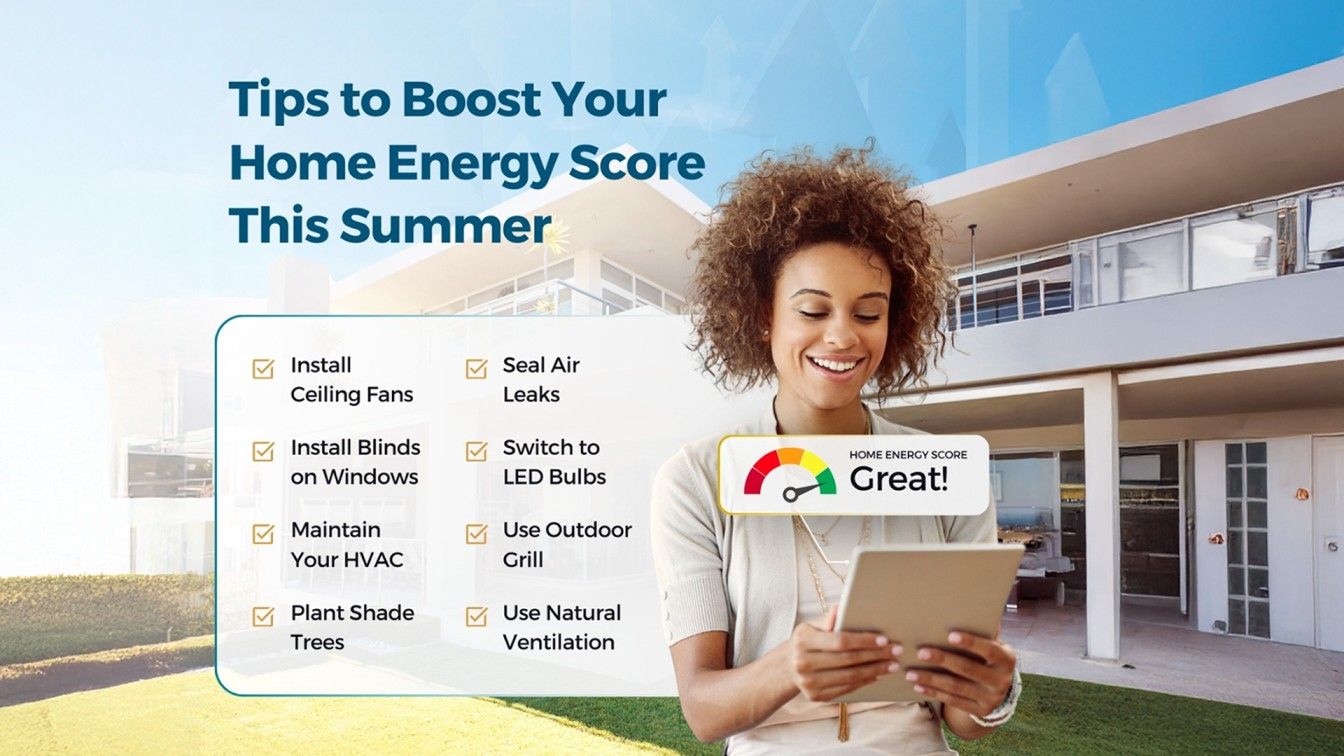
When you’re considering home energy improvements, identifying where energy loss is happening should be your first step. A professional home inspection will help you to better understand which energy efficiency upgrades will have the biggest impact on your home’s thermal comfort, energy efficiency, and utility costs.
Find Your Home Energy Score
Common areas where homes lose energy include:
- Attics and roof spaces - Areas that aren’t insulated allow heat to escape during colder months and enter the home during warmer months.
- Walls and crawl spaces - Poorly insulated walls, basements, or crawl spaces can make it hard to stabilize room temperature.
- Windows and doors - Small gaps, worn seals, or aging materials around windows and doors lead to air leakage and drafts. The air conditioner needs to run longer to keep the temperature stable.
- Heating and cooling systems - Older HVAC systems or poorly maintained ones use more energy to maintain indoor thermal comfort than newer systems. Restricted airflow can also affect the systems’ performance.
- Water heating systems - Traditional water heaters are likely to consume more energy over time than newer options, such as heat pump water heaters.
- Lighting and appliances - Older appliances and lighting fixtures, especially those used daily, contribute to energy waste.
Addressing insulation problems should be a priority. You can have the most energy-efficient equipment in the world and energy will still be wasted through poorly insulated attics, crawl spaces, and walls.
Insulation and Air Sealing Improve Home Comfort
It’s hard to enjoy living in a home where indoor air keeps escaping through poorly insulated areas. Your comfort and quality of life can also suffer if your bedroom always feels too warm despite air conditioning. And when you’re also faced with higher utility bills, you know it’s time to improve your home energy efficiency.
Improving insulation and sealing in attics, basements, and crawl spaces, as well as air sealing around windows and filling wall cavities can prevent energy loss. According to EPA estimates, homeowners can save an average of 11% on their energy costs if they seal and insulate their homes.
In addition to cost savings, the result of improved insulation and sealing is more consistent indoor temperatures and less unwanted airflow. You still want some airflow, because ventilation is needed to avoid moisture buildup, mold, and stale indoor air.
With better insulation and air sealing, you’ll notice better thermal comfort, fewer drafts, and more efficient energy use without extra strain on your HVAC systems.
Why HVAC Systems Use So Much Energy
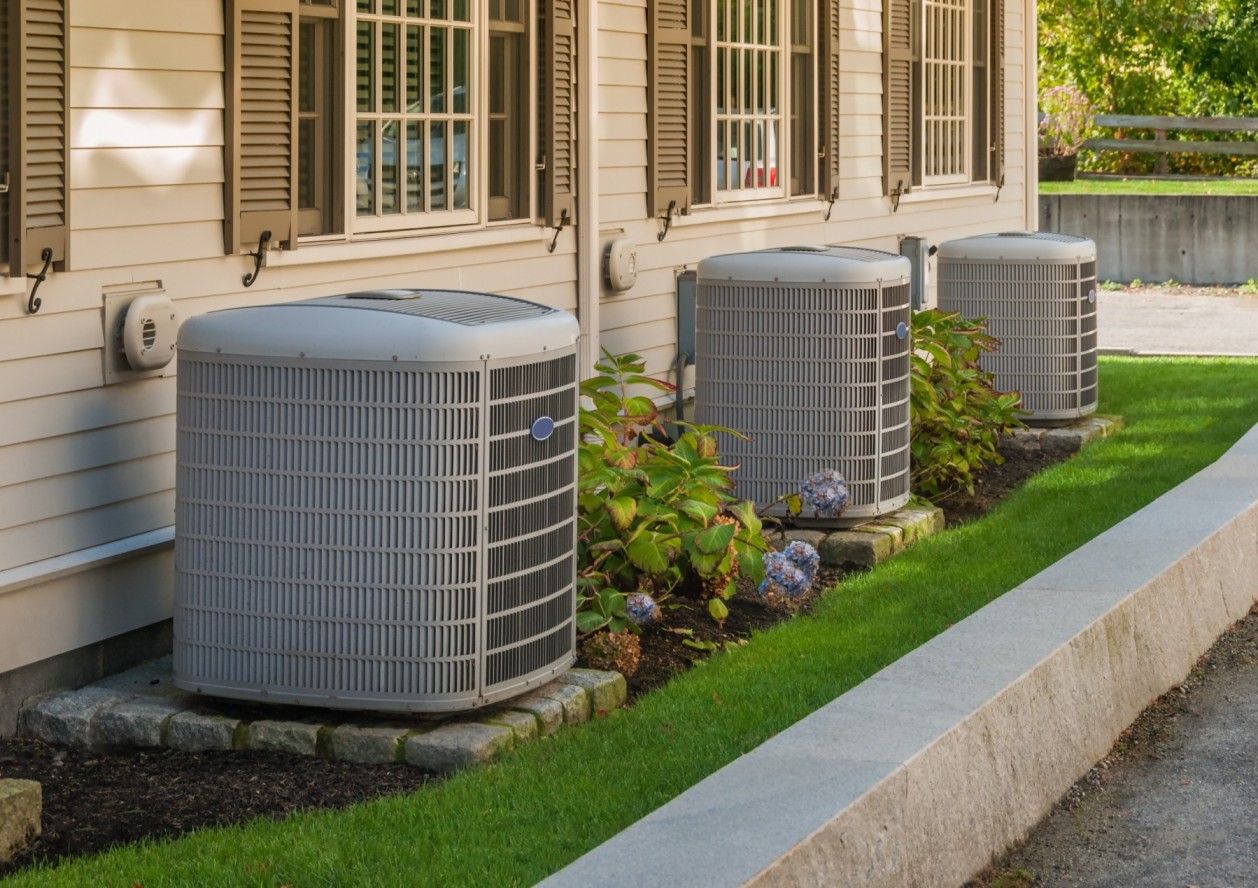
Heating and cooling systems tend to work harder and use more energy when outdoor temperatures are extreme, especially when room temperatures are difficult to maintain across the home.
An HVAC system runs longer than expected when it has older components that no longer operate efficiently, its filters are clogged, or there are ductwork leaks. Often, these problems develop gradually, so higher energy use can go unnoticed until it impacts the household’s utility bills.
When routine maintenance is not enough to fix these problems, many homeowners eventually consider HVAC upgrades and smart technology to manage indoor temperature more efficiently. In addition to proper insulation and sealing, HVAC upgrades can help improve energy efficiency as well as thermal comfort indoors.
Are Energy-Efficient Windows a Good Investment?
Older windows and doors that aren’t well insulated can make some of the rooms feel drafty or force HVAC systems to work harder to maintain room temperature. This is why many homeowners consider investing in energy-efficient windows. Those with better sealing and materials, and double-pane glass help reduce heat transfer.
As a result, heating and cooling systems have to work less, which is reflected in lower energy bills.
Energy-efficient windows can:
- Reduce air leakage around window frames
- Improve indoor temperature consistency
- Lower strain on heating and cooling systems
- Support better year-round thermal comfort
However, full window replacement isn’t always necessary. Even improving sealing and insulation around existing windows can reduce drafts, lower energy costs, and help stabilize indoor temperature.
How Smart Home Technology Helps Improve Energy Efficiency
Even when homeowners are determined to keep their energy costs low, sometimes the lights stay on when a room is empty or the air conditioner keeps running even when nobody is home.
Also, most homes have appliances that are always on. The costs add up. The Natural Resources Defense Council reports that an average home in the United States pays about $165 a year just for the electricity used by idle appliances and equipment. These include TVs in standby mode and computers in sleep mode.
Idle devices consume a lot of energy. One study found that about a quarter of the electricity consumption in North Carolina came from inactive devices in “always-on” mode. Over time, these mistakes can increase overall energy use without people paying much attention to it.
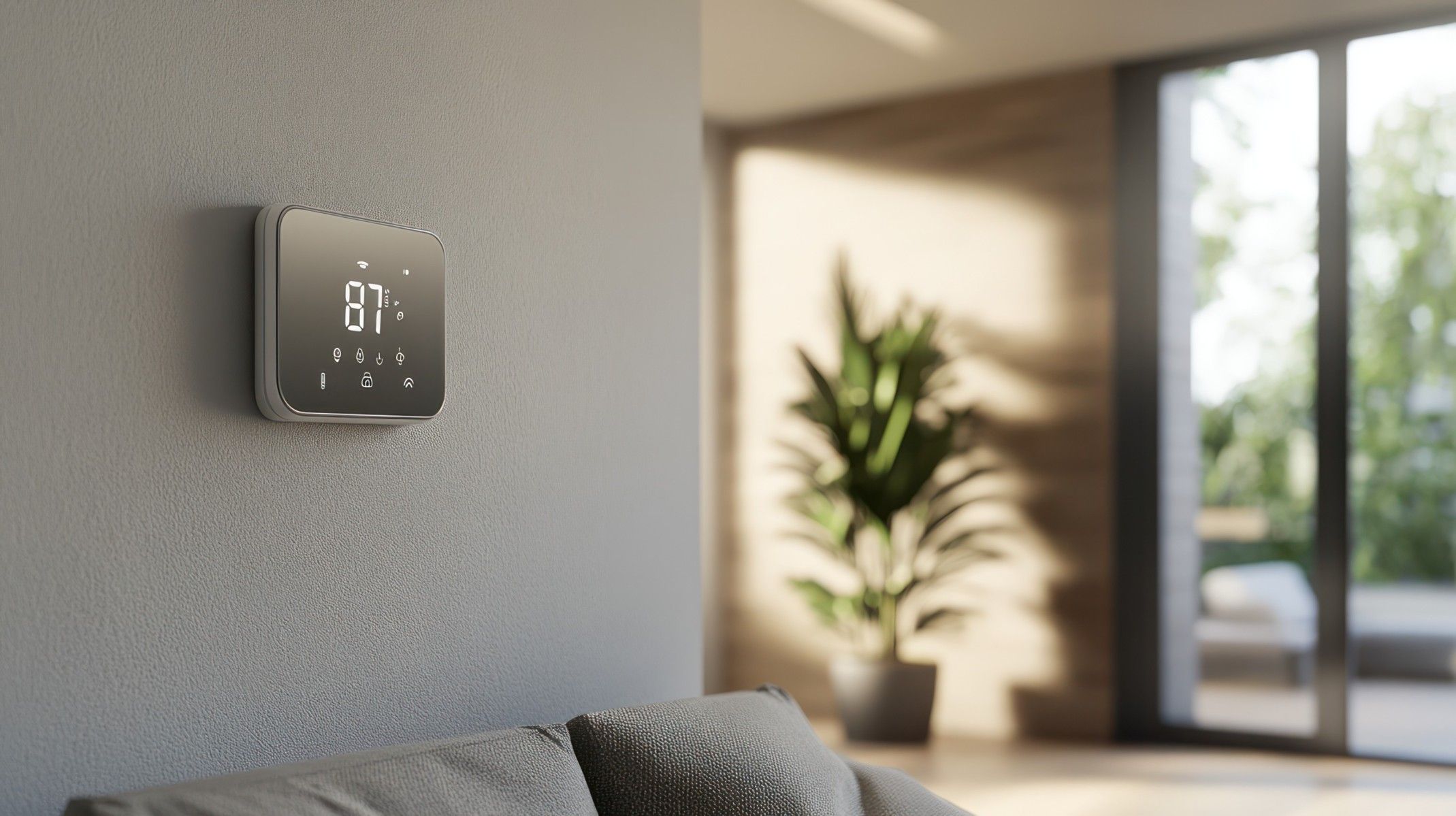
That’s why smart home technology is so useful. A smart thermostat can automatically adjust temperatures based on when people are at home. Smart lighting systems can switch off once everyone leaves a room. The result is lower electricity use.
Studies have shown that using smart thermostats can lead to 10–15 percent home energy use savings.
In addition, energy monitoring tools can help homeowners get a better idea of which home devices or areas are using the most electricity. Combined with other home energy efficiency improvements, these tools can help manage energy use in a practical way.
Low-Cost Ways to Lower Your Home Energy Bills
Habits you may not pay attention can slowly build up on your home energy bill. The effects of keeping lights on when not at home, running your HVAC longer than needed, or using older appliances every day without checking if they’re energy efficient add up.
A bit more awareness in daily home energy usage is often all you need to bring the numbers down.
When you use home energy more intentionally, it becomes easier to control monthly energy costs without changing the comfort of your home.
Even a simple action like programming your existing thermostat can help you reduce your energy bills. This sounds intuitive, but 88% of U.S. households that own a programmable thermostat don’t actually program it, says the U.S. Energy Information Administration. Avoid extreme heating or cooling settings, and keep temperatures steady when the home is occupied or empty.
Here are other things you can do to reduce energy waste:
- Improve laundry efficiency - Wash clothes in full loads, air-dry if possible, and use shorter cycles to reduce electricity use.
- Maximize natural lighting - Turn off the lights when you leave a room and make the most of natural daylight.
- Fix home drafts - Consider weatherstripping, caulking, or using draft stoppers to fix drafty windows and doors.
- Notice device usage - Switch off entertainment systems and chargers when they are not in use.
- Use thermal curtains - Use thermal curtains all year long to improve window insulation. They help prevent heat transfer through the windows, keeping your room warmer in the colder months and cooler in hot weather.
Extra tip: Use this guide from the Natural Resources Defense Council to identify which appliances waste energy in your home: NRDC: Home Idle Load Self-Diagnosis and Action Guide (PDF).
When you start paying more attention to home energy use, it becomes easier to spot where it’s being wasted. Small changes in daily routines add up in time, and they can lead to lower energy usage even without a costly retrofit.
Long-Term Benefits of Energy-Efficient Home Improvements
Making home improvements may not have immediate benefits for your home energy efficiency, but you may begin noticing changes in time. Indoor temperature starts feeling more stable during the year, and cooling and heating systems work less to keep the home comfortable.
Easier long-term upkeep is another benefit of these improvements. Less energy waste results in less pressure on household systems during regular use. That means you may avoid some of the issues related to overworked equipment. Overall, energy-efficient homes are easier to maintain over time.
Build a More Efficient Home Over Time
Different homes age differently. That’s why energy-efficient home improvements are often done over time instead of all at once. Some homeowners may notice drafts or cold walls in the winter. Others may notice some rooms never stay cool despite air conditioning. And still others may only notice home energy inefficiencies through the rising cost of their utility bills.
Making gradual improvements in home energy efficiency can help reduce unnecessary energy use. If you’re not ready to replace your windows and doors and upgrade your air conditioner, there are still things you can do to make your home more energy efficient. Some changes don’t cost anything. Programming your thermostat is one example. Other changes may require buying new appliances or materials or paying for professional services. Whatever changes you make to improve home energy efficiency, they all add up.
The first step to improving your home energy usage is figuring out where energy is being lost. Certain problems develop over time behind walls, inside attics or basements, or around older cooling or heating systems. A Home Energy Score inspection can help identify the areas that need attention, making it easier to understand which upgrades to prioritize before investing in larger improvement projects.