







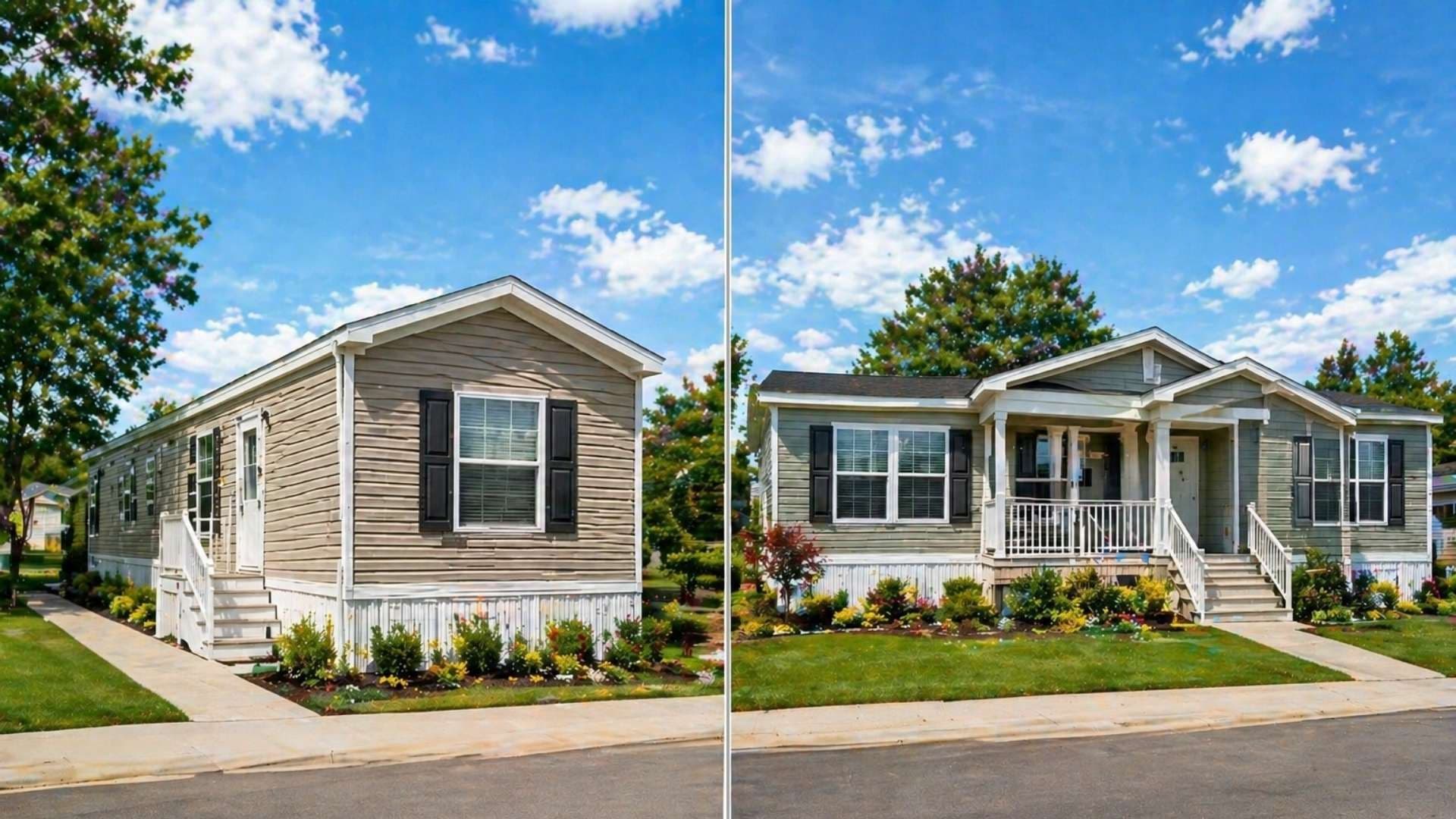

You found the right older home, or you're renewing the policy on the one you already own, and then your insurance agent mentions a new requirement: you need a 4-point inspection before they'll write the policy. If you've never heard the term, it's normal to feel a little uneasy. What are they going to look at? And what happens if your house doesn't pass?
Here's the short version. A 4-point inspection is a focused look at the four systems that tend to cause the most expensive insurance claims: the roof, electrical, plumbing, and HVAC. This guide walks through the full 4-point home inspection checklist so you know exactly what an inspector checks, what usually raises a red flag, and how to get your home ready.
What Is a 4-Point Inspection?
Most home inspections crawl through the entire house, but a 4-point inspection works differently, and that catches a lot of people off guard the first time they hear about it. It looks at four systems and leaves the rest alone.
Those four systems are your roof, the wiring and electrical panel, the plumbing, and whatever heats and cools the house. A licensed inspector goes through each one, writes up the condition it's in, and sends that report to your insurance company, because they're the ones who asked for it. What they're really deciding is whether your home is worth the risk of covering.
There's a reason it's those four and not something like your windows or your driveway. When these particular systems fail, they tend to fail in expensive ways. A leaking roof soaks through ceilings and walls. Old wiring turns into a serious fire risk. Corroded pipes can flood an entire floor while you're out of the house. An aging air conditioner limps toward its last summer before it quits. Insurers have paid out on every one of those, more times than they would like.
The requirement itself goes back to Hurricane Andrew in 1992. That storm leveled a huge stretch of South Florida and cost insurers billions, and afterward they stopped taking older homes at their word. They wanted proof that the important systems still worked before they would write a policy, and that expectation has stuck around ever since.
As for when it comes up, it usually lands on homes in the 20-to-40-year range, and typically when you're buying, moving to a new insurer, or renewing a policy you already hold. The exact cutoff shifts from one company to the next. Once in a while a newer home gets pulled in too, if something about it raised a concern. Your agent will tell you honestly whether yours needs one.
What Does a 4-Point Inspection Include?
A four point inspection checklist really comes down to four systems and the specific items an inspector reviews in each one. Here's what they're looking at.
The Roof
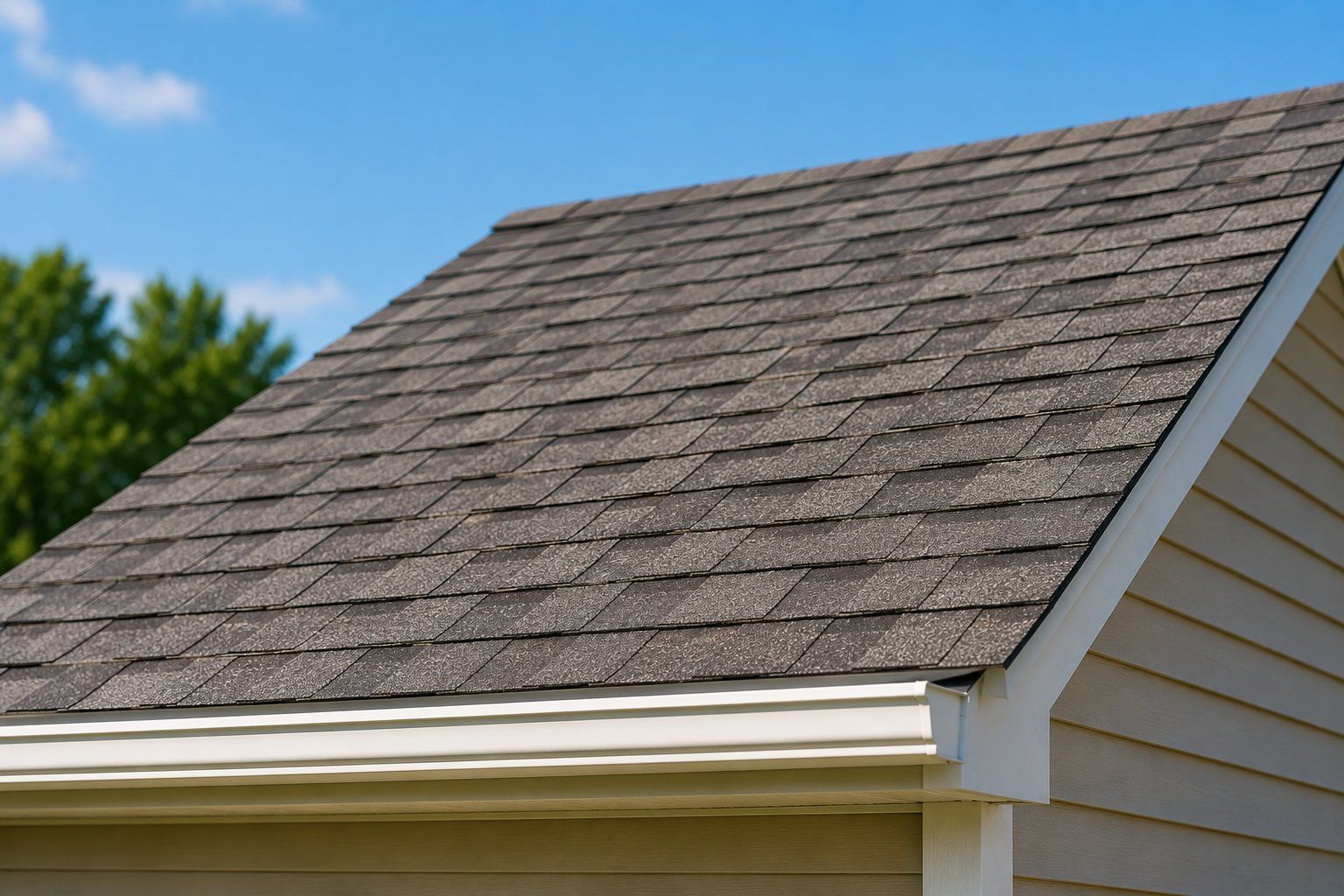
The roof is usually the first thing an inspector evaluates, and often the most telling. They'll note the covering material, estimate its age, and judge how many years of useful life it has left. Along the way, they're watching for missing, cracked, or curling shingles, soft spots, signs of past leaks, and patchy repairs that hint at ongoing trouble.
Age matters more than people expect, and it varies a lot by material. Asphalt shingles typically last 20 to 30 years, metal roofs 40 to 70, and tile or clay can run 50 to 100. Insurers tend to get cautious once a roof passes the 15-to-20-year mark, even if it still looks fine from the ground.
The Electrical System
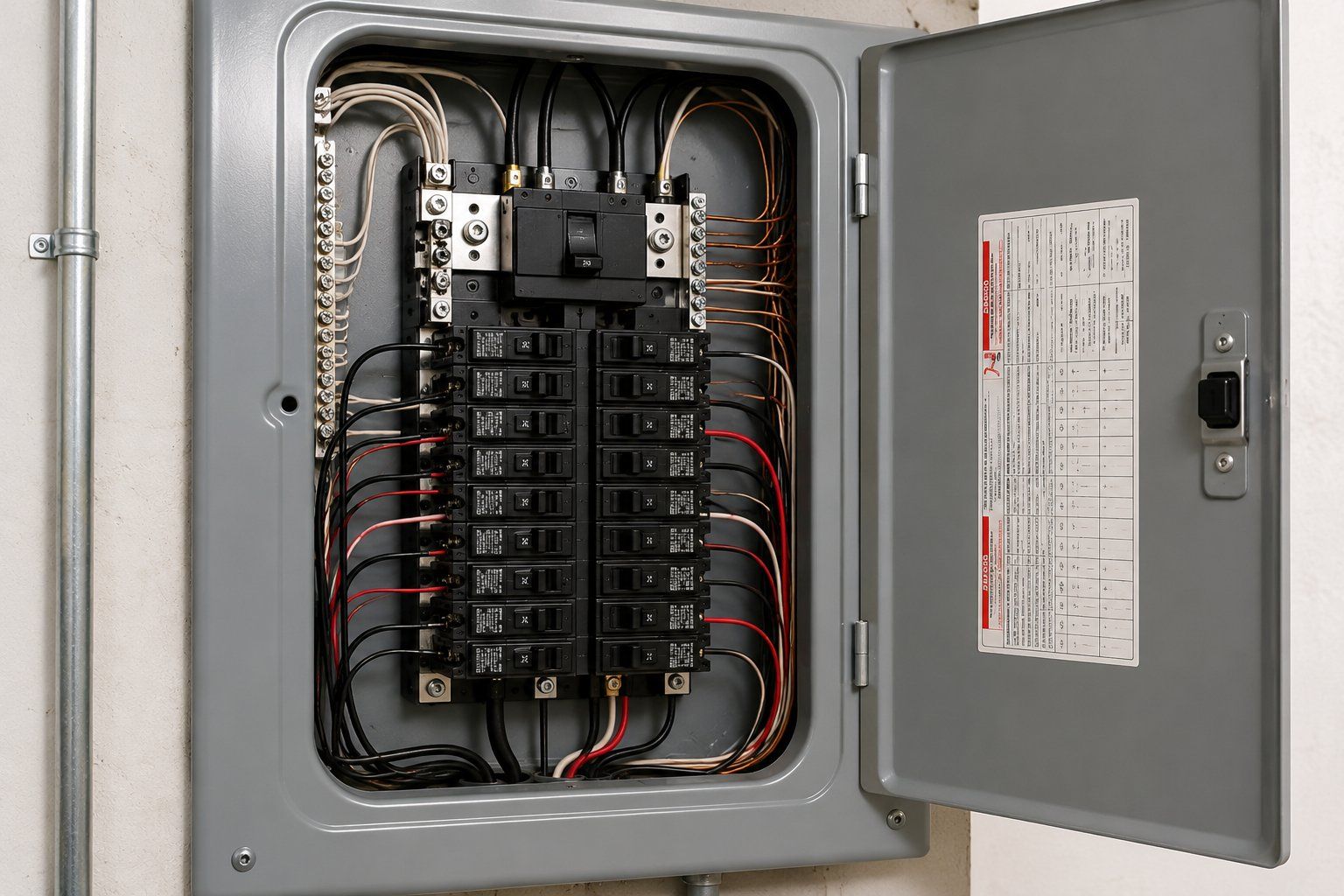
Next comes the electrical system, where the inspector is really asking one question: is this safe? They'll check the panel, the available amperage, the wiring, and whether everything is properly grounded and labeled.
A few things reliably raise concern. Older panels known to fail to trip during an overload, aging fuse boxes, and homes still running on 60 amps of service when a modern home needs 150 to 200. Certain wiring types get flagged too, including aluminum branch wiring, knob-and-tube, and older cloth-insulated wiring, all of which carry a higher fire risk. Electrical faults are a genuine cause of house fires, so this part of the checklist gets careful attention.
The Plumbing System
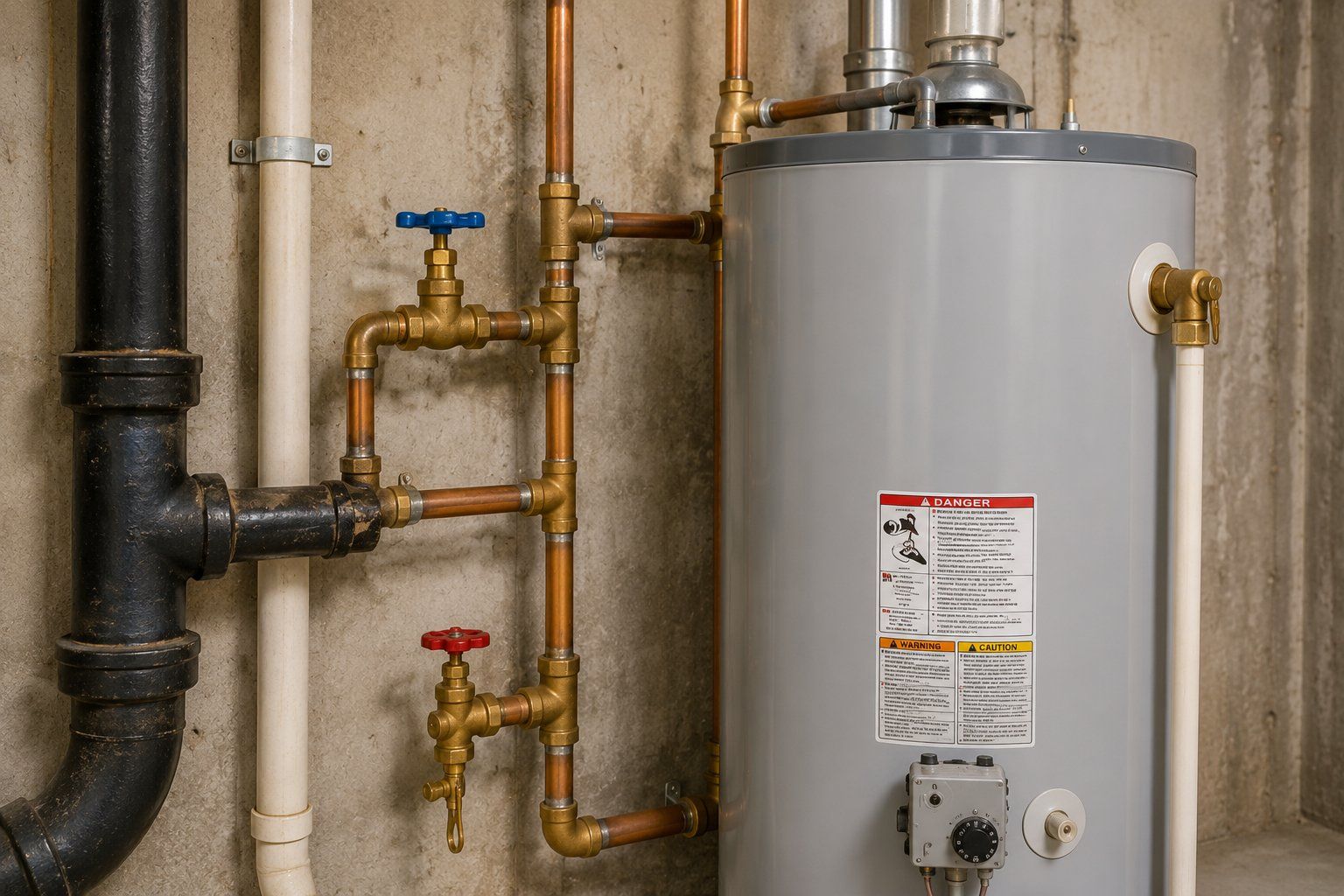
For plumbing, the inspector checks the pipe material, looks for leaks and corrosion, and evaluates the water heater and visible fixtures. Pipe material is often the deciding factor.
A handful of materials are known problems. Polybutylene pipe, common in homes built from the late 1970s into the mid-1990s, can fail without warning and is frequently declined or excluded by insurers. Galvanized steel corrodes from the inside out across its 40-to-50-year life, slowly choking your water flow. Cast iron and old lead pipes bring their own concerns. The water heater gets a look as well, since a typical tank unit only lasts 8 to 12 years.
The HVAC System
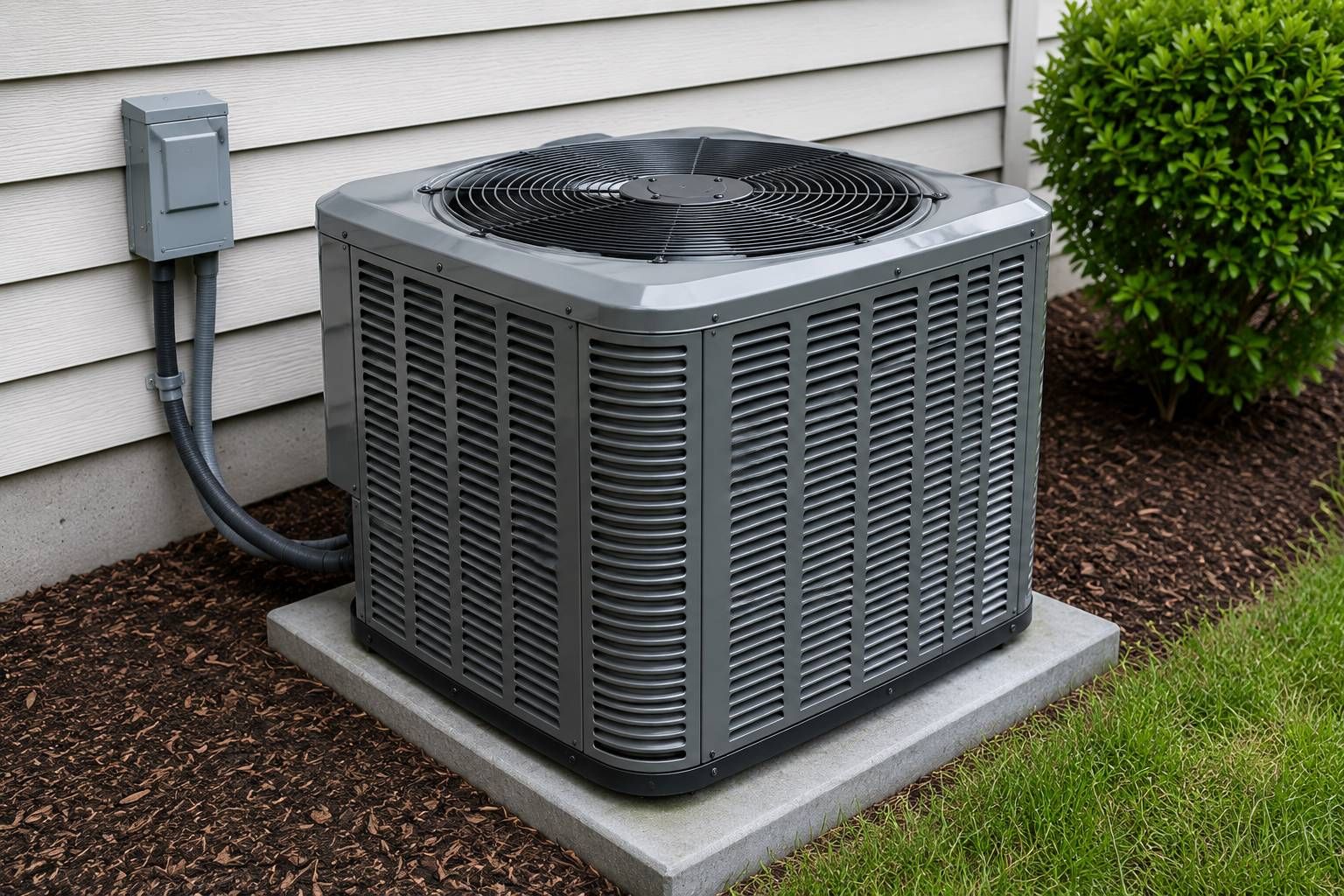
Finally, the inspector examines your heating and cooling. They'll identify the type of system, find its age from the data plate, confirm it actually runs, and check for rust, leaks, or a sloppy install. A missing or non-working system can affect whether you're able to get coverage at all.
Age is the big factor here too. Central air conditioners generally last 15 to 20 years, less in salty coastal air, while heat pumps run 10 to 20 and gas furnaces can stretch to 30. A useful rule of thumb: when the age of the unit multiplied by the repair cost climbs past $5,000, replacement usually makes more sense than another fix.
The 4-Point Inspection Checklist at a Glance
Roof: material, age, remaining life, leaks, missing or damaged shingles
Electrical: panel condition, amperage, wiring type, grounding, hazards
Plumbing: pipe material, leaks, corrosion, water heater age, fixtures
HVAC: system type, age, function, refrigerant leaks, install quality
Common Red Flags: Why a Home Fails a 4-Point Inspection
Most of the 4 point inspection items that cause problems fall into predictable buckets: a roof near the end of its life, an aging or unsafe electrical panel, outdated plumbing, or an HVAC system on borrowed time.
Here's the reassuring part. A single issue doesn't automatically mean your home fails. Whether it passes comes down to how serious the problem is and how much risk it carries. A minor, easily corrected item is very different from active water damage or a real fire hazard. The way we see it, a 4-point inspection isn't about having a perfect home. It's about showing that your home's key systems are safe and reliable. If you want a deeper look at getting ready, see our guide on how to pass a 4-point home inspection.
How Long It Takes and What to Expect
A 4-point inspection is fast. Most take about one to two hours depending on the size and condition of your home, and a licensed inspector handles the whole thing start to finish. When it's done, you'll get a report documenting the condition of each of the four systems, usually with photos, that you can hand straight to your insurance agent.
Pricing varies by home and location, so the best way to get an accurate number is to reach out to your local WIN home inspector for a quote.
4-Point vs. Full Home Inspection vs. Wind Mitigation
It's easy to mix these up. A full home inspection is the top-to-bottom review a buyer usually orders, covering everything from the foundation to the appliances. A 4-point is far narrower, focused only on the four systems your insurer cares about. A wind mitigation inspection is different again: it documents the features that help your home stand up to high winds, and its main purpose is to earn you discounts on your premium. That report generally stays valid for about five years, and plenty of homeowners bundle it with a 4-point in a single visit to save time.
How to Prepare (and What to Do If Issues Come Up)
Setting aside a quarter of an hour before your appointment can be the difference between a clean report and having to book the inspector a second time. Access is what matters most. Every system has to be seen and reached in person, so clear away anything piled in front of the electrical panel, leave a walkable path to the water heater, open up the attic hatch, and trim back any bushes or move any patio furniture crowding the outdoor air conditioning unit.
After that, a few quick fixes earn their keep. Slide a clean filter into the HVAC system so it runs the way it should while the inspector tests it. Look under the sinks and around the water heater for anything actively dripping, then dry it and seal it, because even a slow leak usually shows up as a warning on the report. If a shingle has slipped or curled and you can reach it without any risk of falling, put it right, although climbing a steep roof for it is not worth the injury. Round up the paperwork on any recent work as well. A newer roof, fresh supply lines, or a rewired panel all count for more with an insurer once you can show when the work happened and who did it. Electrical is the one area to stay out of, since DIY wiring tends to produce the very hazard the inspector is hunting for, so leave it to a licensed electrician.
Then there is the outcome people tend to dread. Suppose the inspector finds something wrong. That is hardly the end of the road. Often you simply repair the flagged item, schedule a return visit, and secure your policy without much drama. When the fix is a costly one, like a tired roof or a failing panel, replacing it and turning in an updated report will frequently win over carriers that had already said no. Buyers get their own leverage from the results, whether that means asking for money toward the repairs or negotiating down what they pay for the house. No matter how it shakes out, our inspectors leave you holding a straightforward Property Care List that sorts every finding into repair, replace, or credit, so you are never left wondering what to tackle next.
A Better Understanding of Your Home's Condition
A 4-point inspection does more than satisfy an insurance requirement. It highlights the condition of your home's most important systems, helping you identify maintenance needs, plan for future repairs, and better understand the property's overall condition.
At WIN Home Inspection, our inspectors provide detailed 4-point inspection reports with clear findings and photos, helping homeowners, buyers, and insurance providers better understand the condition of a property's roof, electrical system, plumbing, and HVAC.
Even if no major issues are found, having a comprehensive inspection report can provide added confidence when discussing coverage with your insurance provider.
Frequently Asked Questions
What does a 4-point inspection include?
A 4-point inspection includes four systems: the roof, electrical, plumbing, and HVAC. The inspector checks the age, condition, and remaining life of each one, watching for damage, safety hazards, and anything likely to lead to a claim.
Can you fail a 4-point inspection?
You can, but a single flaw doesn't guarantee it. It depends on how serious the issue is. Problems like a roof at the end of its life, unsafe wiring, or active leaks are the usual reasons an insurer hesitates. Repairs and a re-inspection often clear it up.
How long does a 4-point inspection take?
Most take about one to two hours, depending on the size and condition of the home. It's much quicker than a full home inspection because it covers only four systems.
Do I need a 4-point inspection on a newer home?
Usually not, but it happens. Insurers most often require them on homes 20 to 40 years old. Some may still ask for one on a newer home if there's a known issue or if it's simply part of their policy.
Who performs a 4-point inspection?
A licensed home inspector. It isn't a DIY job, since insurers require a qualified professional to complete and sign the report for it to count.
Is a 4-point inspection the same as a home inspection?
No. A home inspection is a full, top-to-bottom review of the entire property. A 4-point inspection is a focused check of just the roof, electrical, plumbing, and HVAC, and it's usually ordered for insurance rather than for buying.

Related Articles
View All
Get the Latest Insights!
Sign up to stay up to date with latest tips, trends and updates from WIN.