







Buying a home in New Baltimore, MI, can come with different concerns depending on the property. Older homes may have aging sewer lines, plumbing, electrical systems, or repairs completed years ago. Homes closer to Lake St. Clair and Anchor Bay may need more attention around drainage and basement moisture. Even newer homes can have problems with grading, insulation, drainage, or construction quality.
That’s why a home inspection in New Baltimore, MI should look beyond what you notice during a showing. The home’s age, location, maintenance history, and earlier improvements can all help tell you what deserves a closer look.
New Baltimore has a mix of established neighborhoods, waterfront properties, and newer residential areas. Some of the most important areas to check include the roof and attic, foundation and basement, sewer and plumbing, electrical system, HVAC equipment, and exterior drainage.
Hidden Problems New Baltimore Buyers Should Watch For
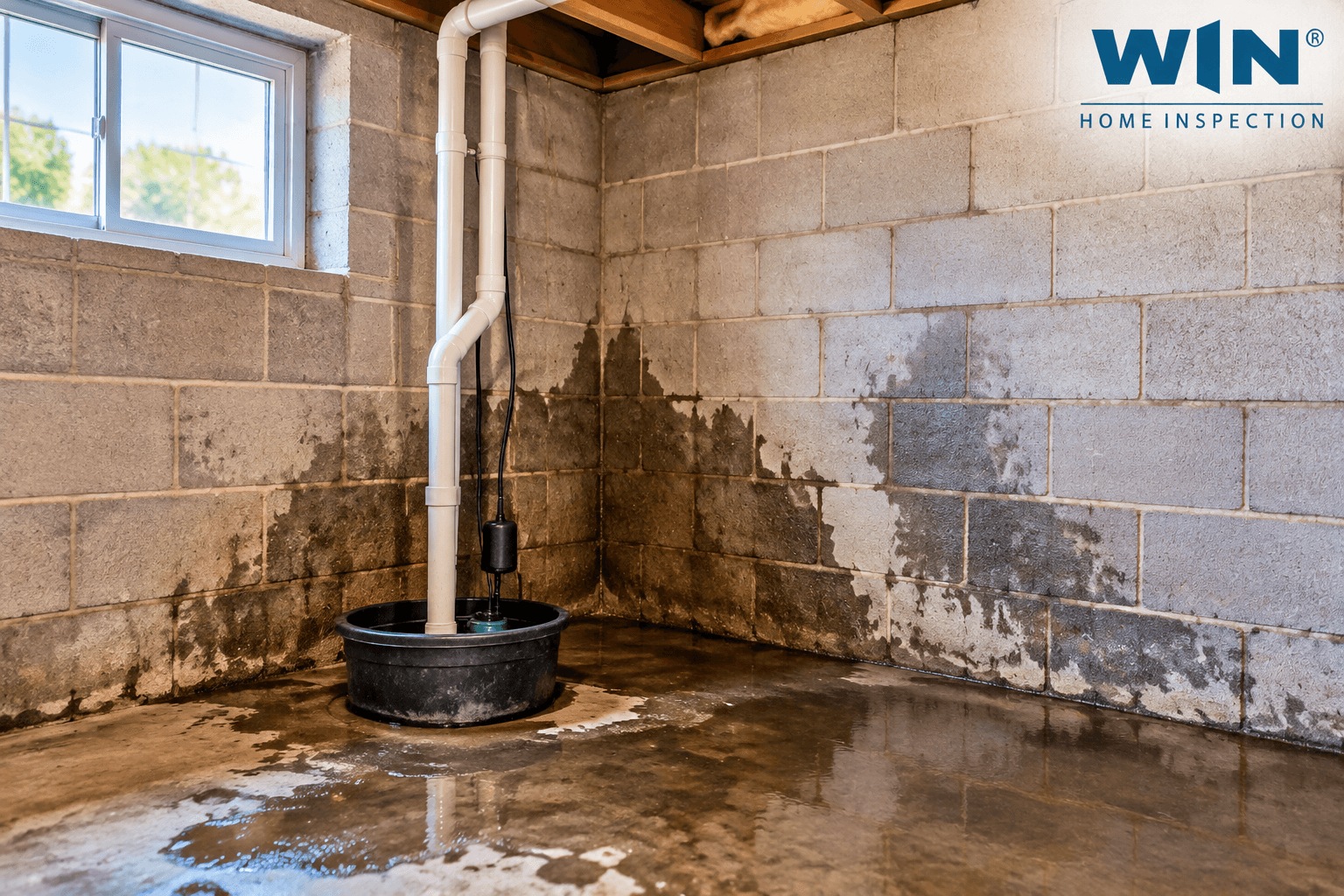
1. Basement Moisture and Drainage
Water is worth paying close attention to in New Baltimore, especially near Lake St. Clair and Anchor Bay. Rain, melting snow, freezing temperatures, and changing ground moisture can all affect drainage around a home. Macomb County receives roughly 32 inches of precipitation in an average year.
A basement can look dry during a showing and still have a history of water problems. Water stains, musty smells, repaired foundation cracks, damaged insulation, or previous waterproofing work can be signs of past moisture.
During an inspection, the foundation walls and floors, sump pump, gutters, grading, and signs of previous water entry should all be checked.
Snow and frozen ground can hide drainage and grading problems. Even if the basement is dry in January, ask what happens during heavy rain or the spring thaw.
Some New Baltimore homes have crawl spaces instead of full basements. Because these areas can be tight or difficult to access, moisture or other problems underneath the home may be easier to miss.
If the home has a sump pump, ask how old it is, whether it has a battery backup, and how well it has handled heavy rain or snowmelt.
For homes closer to the shoreline, check the property's specific flood-zone designation rather than assuming every waterfront home has the same risk. It is also a good idea to ask your insurance provider about flood, sewer-backup, and sump-pump coverage.
Before buying, ask:
Has the basement ever taken on water?
How old is the sump pump, and does it have a backup?
Have any drainage or waterproofing improvements been made?
2. Sewer Lines and Plumbing
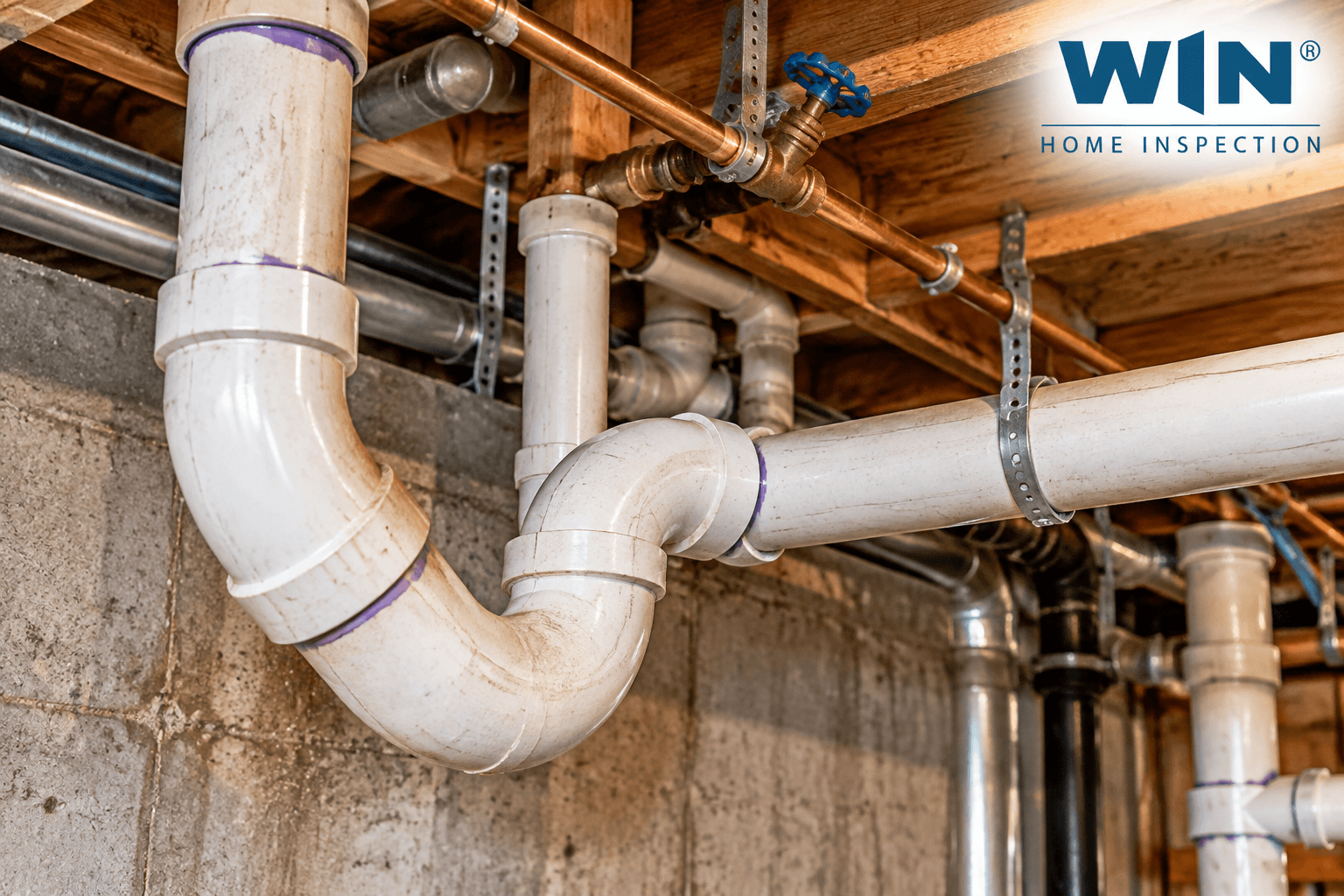
Much of a home's plumbing is hidden behind walls, below floors, or underground. A standard home inspection covers visible plumbing, but it cannot show the full condition of the underground sewer line. Proper sewer line maintenance and regular attention to potential issues can help protect the system and reduce the risk of costly repairs.
A sewer scope uses a camera to look inside the line and can uncover root intrusion, cracks, blockages, low areas, or problems with older pipe materials.
This can be especially useful with older New Baltimore homes, where the sewer line may have been in place for decades. Below-ground cast iron waste piping, for example, has a typical life expectancy of around 50 to 60 years. Older clay pipes can crack or develop root intrusion, while some mid-century homes may have Orangeburg piping.
If you're looking at properties outside New Baltimore in surrounding Macomb County communities, you may also find homes with private wells or septic systems. Confirm whether the property uses municipal water and sewer early in the process.
Before buying, ask:
Has the sewer line ever been scoped, and what material is it?
Has the home had sewer backups or recurring drain problems?
Are records available for previous plumbing or sewer repairs?
3. Foundation and Structural Concerns
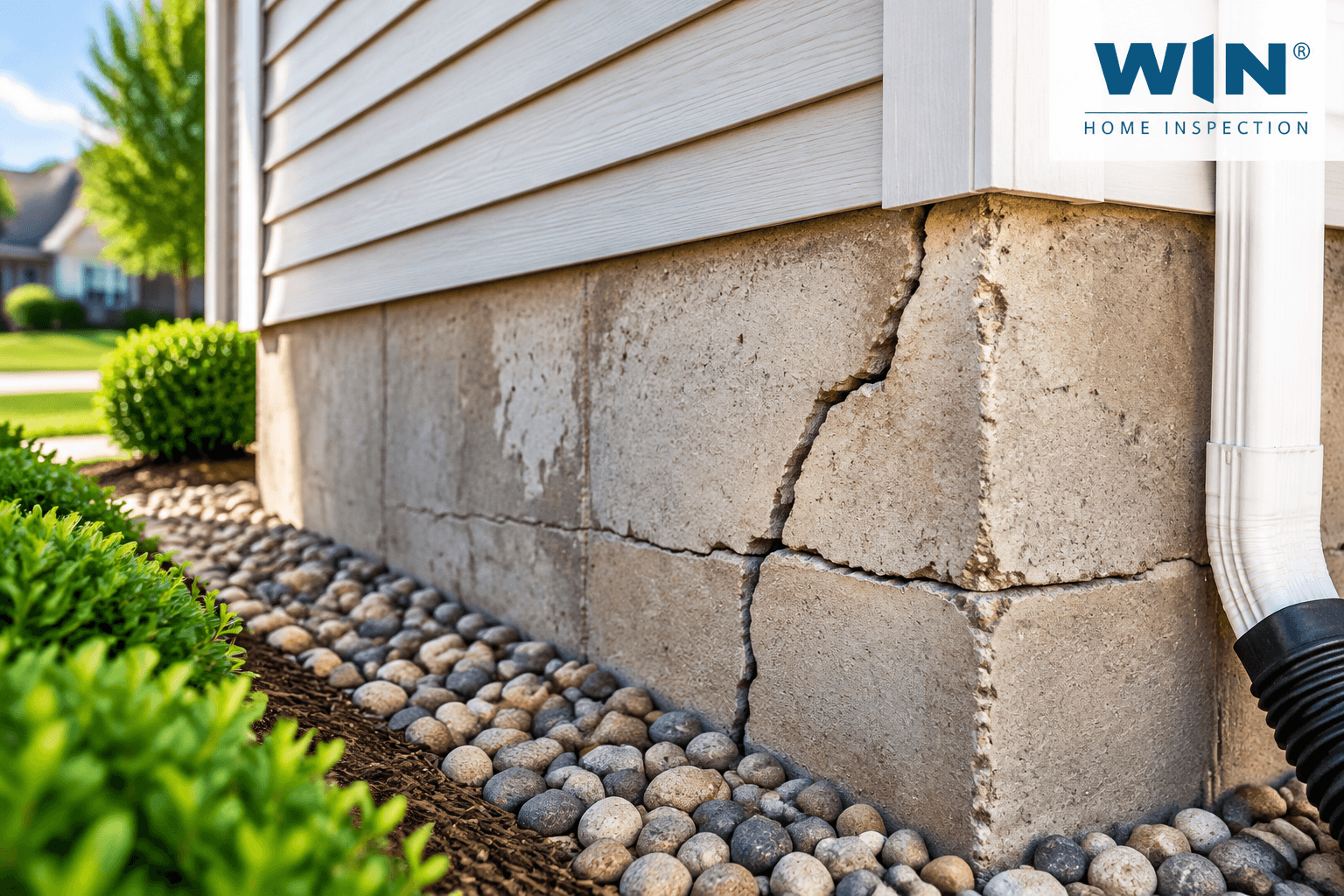
A foundation crack does not always mean there is a serious structural problem. Homes settle, materials move, and Michigan's changing temperatures and moisture levels can affect foundations over time.
The type and location of the crack matter, along with whether it appears to be changing. Uneven floors, bowing foundation walls, sticking doors or windows, water entry, or signs of continued movement deserve a closer look.
A patched crack is also worth asking about. It may be an old cosmetic repair, or it may point to a problem that was never fully addressed. What matters is understanding why the repair was made.
Before buying, ask:
Has the foundation ever been repaired?
What caused the original cracking or movement?
Are there repair records or transferable warranties?
4. Roof and Attic Condition
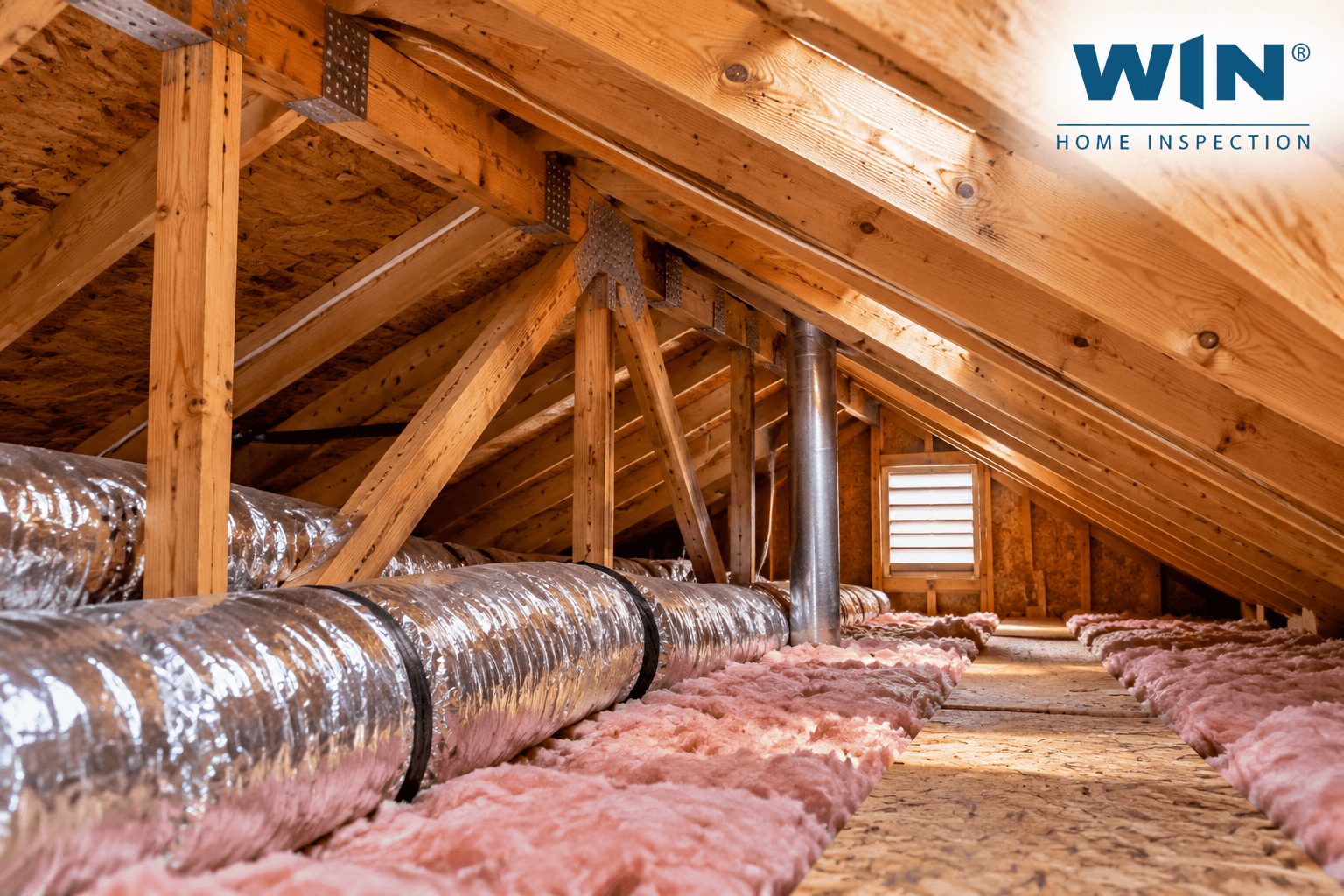
Roofs in New Baltimore deal with snow, ice, rain, wind, and repeated freeze-thaw cycles. Over time, that can wear down shingles, flashing, gutters, and other roofing components.
Typical life expectancy is around 20 years for 3-tab asphalt shingles and about 30 years for architectural shingles. If you're looking at a home built in the 1990s or early 2000s, ask whether the original roof has been replaced.
It can reveal leaks, poor ventilation, inadequate insulation, or moisture buildup that may not be visible from outside. Even a newer roof can have problems if the attic underneath it is not properly ventilated.
Before buying, ask:
When was the roof replaced?
Have there been previous leaks or repairs?
Has the attic ever had moisture or ventilation problems?
5. Electrical System Concerns
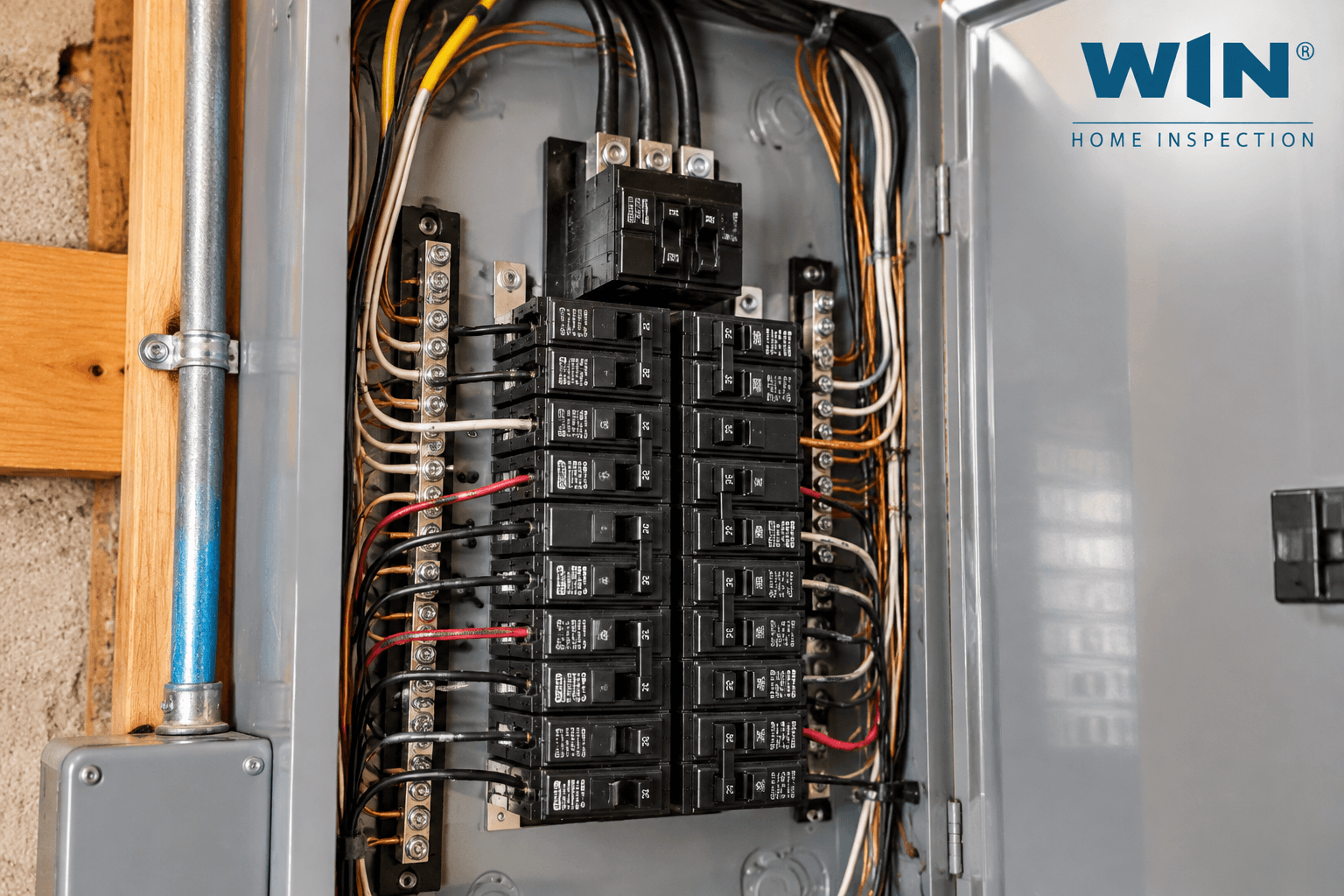
Electrical systems are often updated over time rather than all at once. An older or renovated home may have newer outlets and finishes while older wiring or equipment remains elsewhere.
Mid-century homes may contain electrical components that deserve closer attention. Single-strand aluminum branch wiring, for example, was used in many U.S. homes built between 1965 and 1973. Older Federal Pacific Stab-Lok and Zinsco panels are also commonly flagged for further evaluation.
Renovations can make this harder to spot. A finished basement, addition, or remodeled room may look new even when some of the electrical work behind it is much older.
During an inspection, visible wiring, the electrical panel, outlets, switches, and accessible modifications are checked for signs of problems or previous work.
The City of New Baltimore requires permits for various projects, including electrical, plumbing, mechanical, roofing, siding, and deck work. If the home has been significantly renovated, ask whether permits are available.
Before buying, ask:
When was the electrical panel last updated?
Was electrical work completed during previous renovations?
Are permits or records available for major improvements?
6. Furnace, Water Heater, and HVAC Concerns
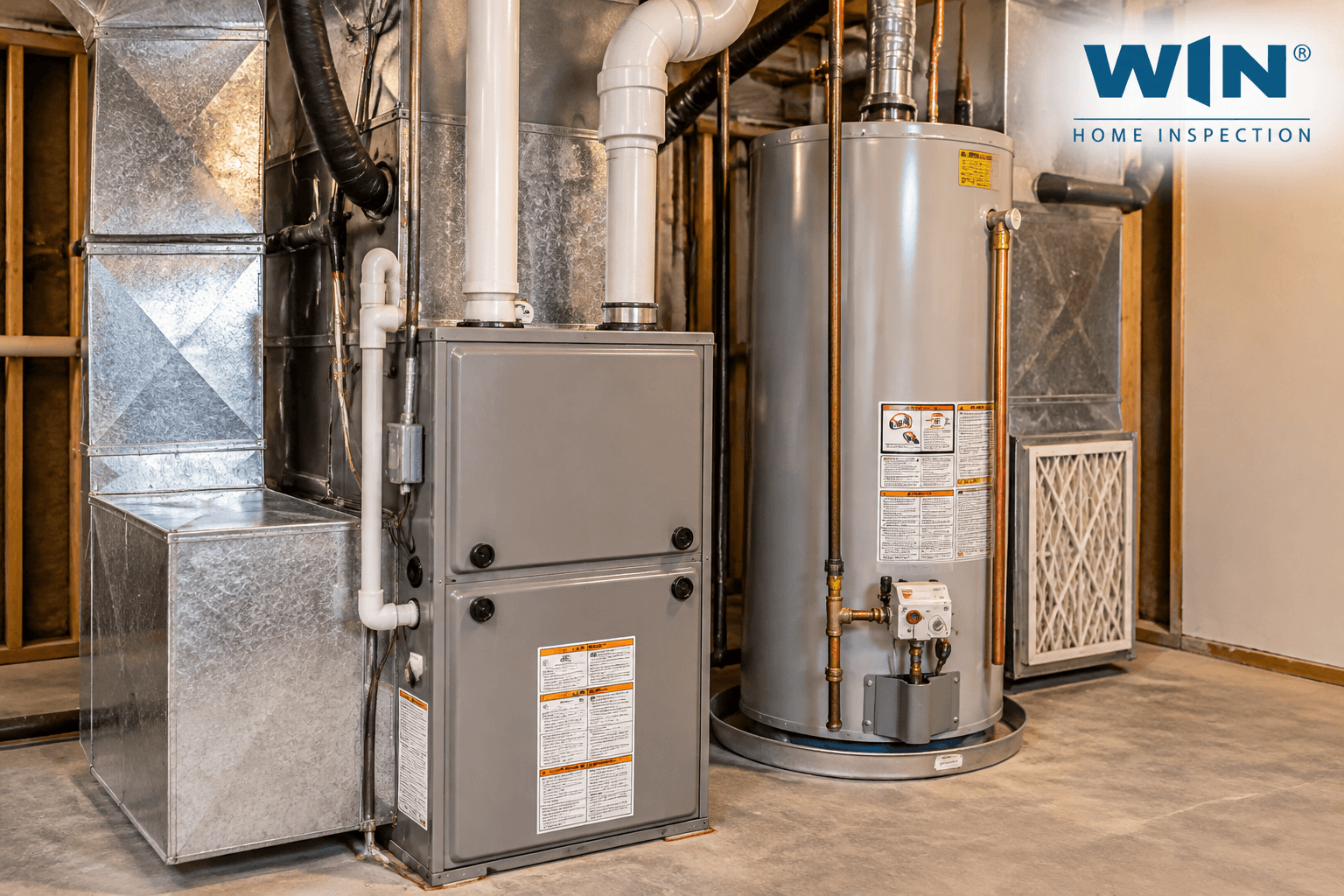
Michigan winters put heating systems under a lot of use. When looking at a home, pay attention to both the age of the equipment and how well it has been maintained.
A typical furnace may last around 15 to 25 years, while a conventional water heater often lasts about 6 to 12 years. For homes built in the late 1990s or early 2000s, find out whether these systems are still original or have already been replaced.
Age does not tell the whole story. An older furnace that has been serviced regularly may be in better shape than a newer system that has been neglected.
An inspection can identify visible concerns with the furnace, venting, ductwork, and system operation. Maintenance and service records can provide additional context.
Before buying, ask:
How old are the furnace and water heater?
When was the HVAC system last serviced?
Has the system needed any major repairs?
7. Radon Testing in Macomb County
You cannot see or smell radon, so testing is the only way to know the level inside a home.
Michigan estimates that roughly 1 in 4 homes statewide has an elevated radon level. Macomb County has historically tested lower than the statewide average, but about 11% of tested homes reached the EPA action level of 4 pCi/L in 2019 state data.
That works out to roughly one in nine tested homes.
Radon levels can vary from one property to another, even between neighboring homes. A low result next door does not tell you what the level will be in the home you're buying.
If the property already has a radon mitigation system, ask when it was installed and how old the fan is. The fan is the main moving part of the system and will eventually need to be replaced.
Before buying, ask:
Has the home been tested for radon recently?
Are previous test results available?
If there is a mitigation system, when was it installed and when was the fan last replaced?
After the Inspection: What to Do About Repairs
Your healthy home check report may contain more findings than you expected, but not every issue carries the same weight. Start with the items that could have the biggest impact on safety, the home itself, or your budget.
Safety and health items first: Electrical hazards, active leaks, mold, venting problems, or radon at or above 4 pCi/L.
Water and structure next: Moisture intrusion, foundation movement, drainage problems, and roof leaks can become more expensive if the cause is not addressed.
Systems near the end of their life: An aging roof, furnace, water heater, or sump pump may still be working properly. In many cases, this is more about planning for a future expense than fixing an immediate defect.
Maintenance and cosmetic items last: Minor maintenance and cosmetic concerns usually carry less urgency.
Your options depend on your purchase agreement and inspection deadline, so review both with your real estate professional:
Ask the seller to make repairs before closing and request receipts or permits for major - work.
Request a credit or price reduction.
Have a licensed plumber, electrician, roofer, structural engineer, or another specialist evaluate a major concern before making a decision.
Local Home Inspection Support for New Baltimore Buyers
A local home inspection can help identify concerns related to Michigan weather, moisture, aging home systems, previous repairs, and ongoing maintenance.
WIN Home Inspection New Baltimore provides full home inspections covering 300+ items, with reports delivered within 24 hours. Additional inspection and testing services include:
Sewer scope inspections
Radon testing
Infrared (IR) scans
Mold air and surface testing
Air quality testing
Water quality and well-flow testing
WDO/WDI pest inspections
A detailed inspection can help you understand the home's condition, decide which findings need attention now, and plan for repairs or replacements down the road.
What New Baltimore Buyers Should Remember
In New Baltimore, a home’s location and age can help point to areas that deserve a closer look. Homes near Lake St. Clair and across Macomb County communities such as Sterling Heights, Roseville, Harrison Township, Mount Clemens, and surrounding areas may need closer attention to drainage, sump pumps, and basement moisture due to local conditions. Older homes may have aging sewer lines, plumbing, electrical components, foundations, or previous renovations. Homes built in the 1990s and 2000s may also have roofs, furnaces, water heaters, or other major systems nearing replacement age.
Before closing, review the inspection findings along with the seller’s maintenance and repair records. If a major concern comes up, investigate it further before making a decision.
A home does not need to be problem-free to be a good purchase. What matters is understanding its condition, knowing what needs attention now, and planning for future repairs or replacements.
Frequently Asked Questions
Que 1: Do homes near Lake St. Clair and surrounding Macomb County areas have specific inspection concerns?
Homes closer to the water deserve extra attention around grading, drainage, basement or crawl-space moisture, sump pump operation, and signs of previous water intrusion. Being near the shoreline does not mean a home has moisture problems, but it makes water management especially important.
Que 2: Should I test for radon when buying a home in New Baltimore?
Yes. Radon cannot be seen or smelled, so testing is the only way to know the level inside the home. Michigan estimates that about 1 in 4 homes statewide has elevated radon. Macomb County has historically tested lower than the statewide average, but elevated levels still occur.
Que 3: What should I check in a New Baltimore home built in the 1990s or 2000s?
Ask about the age of the roof, furnace, water heater, sump pump, and other major components. Some original systems may now be approaching or past their typical service life. Their current condition and maintenance history are just as important as their age.
Que 4: Are basement moisture problems something New Baltimore buyers should watch for?
Yes. Southeast Michigan gets rain, snow, freezing temperatures, and spring thaw, all of which can affect drainage and basement conditions. Look for water stains, musty odors, repaired cracks, waterproofing work, sump pumps, and poor exterior drainage. Ask whether the basement has ever taken on water during heavy rain or snowmelt.
Que 5: What should I know about buying an older home in New Baltimore?
Older homes often have a mix of original and updated components. Pay closer attention to sewer and plumbing materials, electrical systems, foundation conditions, roofing, previous renovations, and permits for major work. Repair and maintenance records can help show what has already been replaced.
Que 6: Should I check the flood zone when buying near the New Baltimore waterfront?
Yes. Check the property's specific flood-zone designation rather than assuming every home near the water has the same risk. If you're buying near Lake St. Clair or Anchor Bay, also discuss flood insurance and coverage requirements with your insurance provider.
Que 7: What should I ask about the sump pump?
Ask how old it is, whether it has been repaired or replaced, and whether it has a battery or other backup. Also ask how it has performed during heavy rain and spring thaw. Having a sump pump is not a problem by itself. Its condition and ability to handle water are what matter.
Que 8: Can winter weather affect a home inspection in New Baltimore?
Yes. Snow and frozen ground can make it harder to see grading, drainage, landscaping, parts of the roof, and foundation areas. If you're buying during winter, ask about previous drainage problems, basement water entry, roof leaks, ice issues, and what happens around the property during spring thaw.

Related Articles
View All
Get the Latest Insights!
Sign up to stay up to date with latest tips, trends and updates from WIN.