Termites in Texas leave small clues: pencil-width mud tubes climbing on a foundation wall, or a pile of discarded wings on a windowsill. In Southwest Austin, homes near Circle C Ranch, Barton Creek, Oak Hill, Travis Country, and Southland Oaks sit among the wooded greenbelts, heavy clay soil, which hold the moisture termites need to thrive.
If you're buying or owning a home here, a termite inspection in Southwest Austin before closing can tell you whether termites are already active.
Why Are Termites a Concern in Southwest Austin?
Southwest Austin checks out a lot of boxes like warm weather, moisture, and wooded surroundings, creating favorable conditions for termites in Austin Texas to grow. Central Texas rarely sees a long hard freeze, so termites don't have to go dormant. They can keep feeding on a home's wood all year.
So, how common are termites in Texas? Common enough that many lenders ask for a WDI report before closing, and many builders treat the soil before pouring a new slab.
Here's why homeowners in this part of Southwest Austin face a higher termite risk.
High Moisture Retention in Clay Soils
Much of Texas sits on sandy soil, but parts of Southwest Austin sit on dense clay and rocky clay beds. Clay hangs on to water long after the rain stops, which is just what subterranean termites prefer. With damp soil, they can build enormous colonies underground and face very little resistance.
Encroachment on Natural Greenbelts
Barton Creek, Circle C Ranch, Travis Country, and Oak Hill are known for heavily wooded lots backing onto natural preserves. The greenbelts look great, and they're also home to native termite colonies that feed dead tree roots and fallen branches. When new homes go up nearby, termites in Texas can work their way from the greenbelt to the foundation, looking for fresh wood. So, if you are buying a home near these wooded areas, a pre-listing inspection can help you find visible wood damage, moisture problems, and other issues in the home.
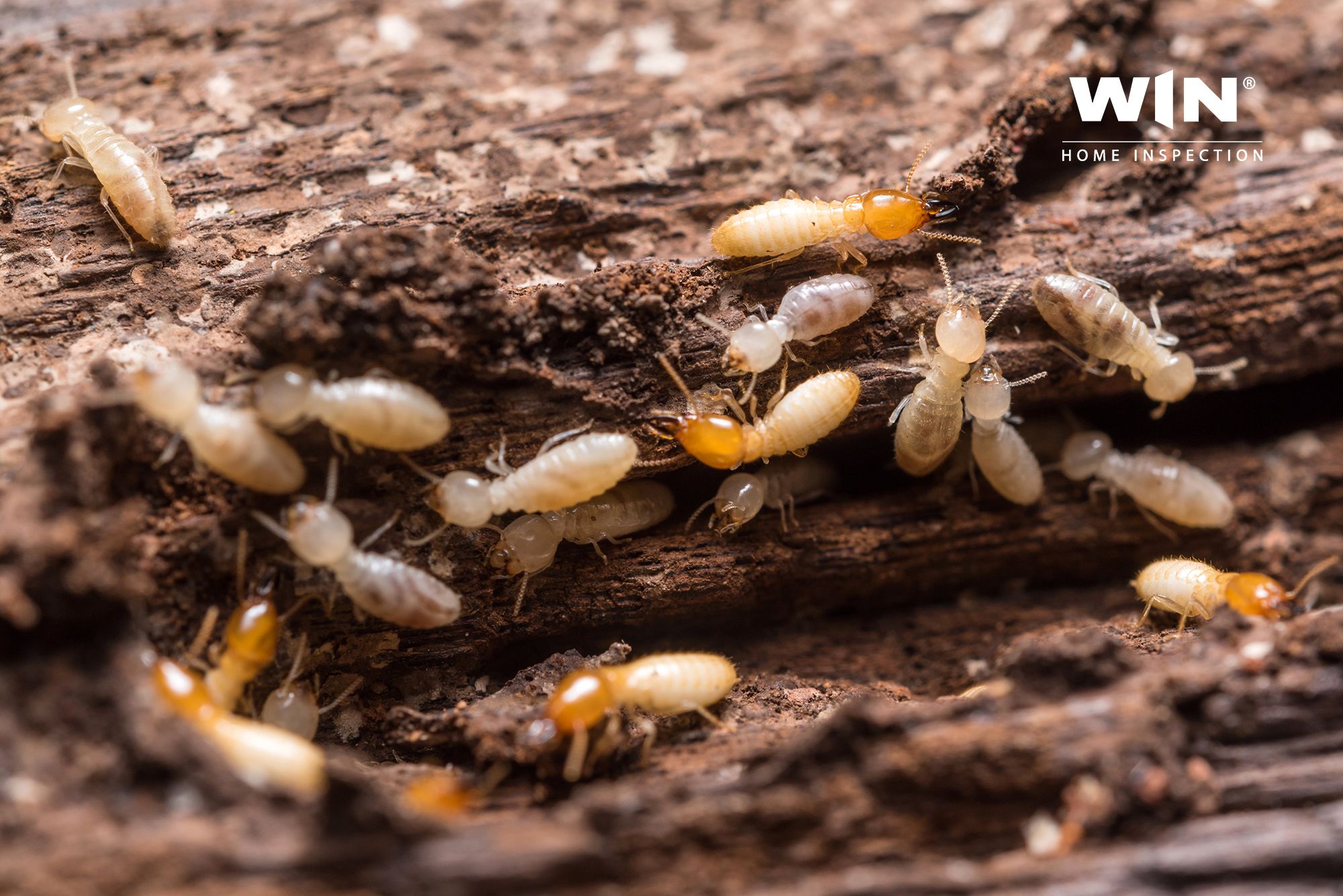
Subterranean termites are one of the native termites in Texas. Formosan subterranean termites are different, more aggressive species, termed as “super termites.” As per Texas A&M, the rising growth of these termites around Travis County and Barton Carton is leading to greater property damage.
Here is how of all the types of termites in Texas Formosan termites are different from native ones -
Bigger Colonies: As per the local entomologists, native colonies hold roughly 60,000 to 300,000 termites, while Formosan colonies can expand up to millions across a much wider area.
Faster Damage: Large colonies eat more wood quicker than the smaller colonies. Damage which might have been caused years later, now it appears in a much shorter time.
Nests Above Ground: Most of the native termites in Texas depend on soil contact. Formosan termites can build can their nest inside walls, roofs, or other hidden spaces, as long as those areas have exposure to moisture.
Formosan termites generally appear in the evening in late spring and are drawn to lights, while the native termites in Austin appear by day after rain. For an untrained eye, they will look similar, but if you find mud tubes near your house or inside, get a licensed inspector to confirm the species and start the treatment plan.
Disclaimer: Standard Texas homeowners' insurance policies generally don't cover termite damage. If an infestation goes unnoticed, you're usually the one paying for the whole repair, and that can easily run into the thousands.
Signs of Termites in Southwest Austin Homes
Termites in Texas consistently rank among the highest in the US. Subterranean termites alone cause an estimated $500 million in property damage across the state each year. Since Southwest Austin sits in the termite belt, it pays to know what to look for, whether you're buying or already own.
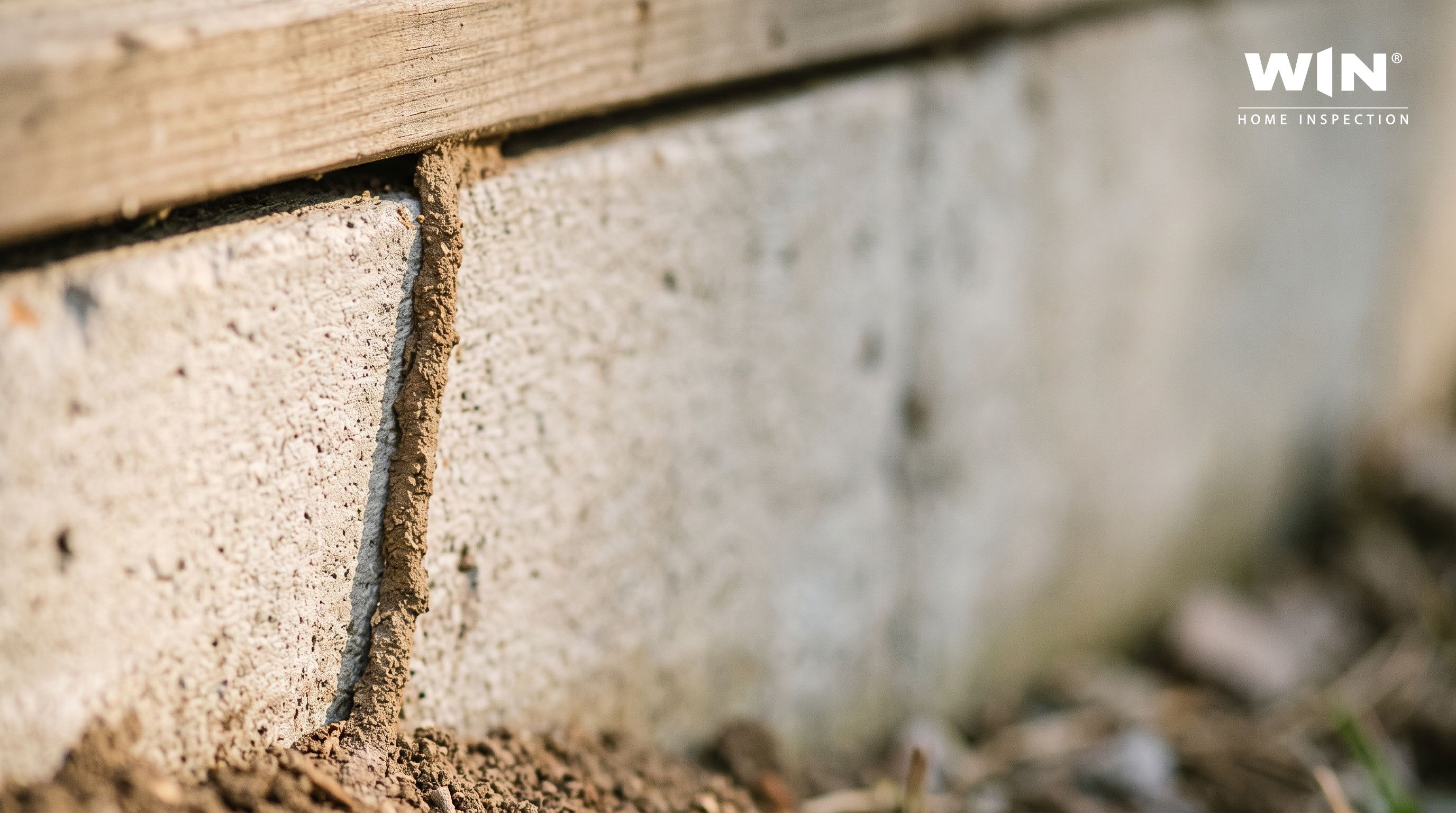
1. Mud Tubes on the Foundation
Subterranean termites need constant moisture to survive. To get from the soil to your home's foundation, they build pencil-width tunnels out of mud, soil, and saliva.
Check for thin dirt tracks running up concrete slab foundations, crawl spaces (if your home has one), and baseboards.
2. Discarded Wings Near Windows or Doors
In spring, especially after heavy rain in Travis County, reproductive termites (swarmers) take flight to start new colonies. When they land, they shed their wings.
If you find little piles of translucent wings on a windowsill or near an entry door, a colony may be nesting close by.
3. Hollow-Sounding Wood
Termites eat wood from the inside out, often leaving just a paper-thin layer of wood or paint on the surface.
Try tapping baseboards, door frames, or exposed garage beams with the handle of a screwdriver. A dull or hollow sound can mean the wood inside has been compromised.
4. Bubbling or Blistering Paint
When termites tunnel through walls, they can trap moisture inside. That trapped humidity can make paint or wallpaper bubble, peel, or crack.
Plenty of homeowners assume it's a plumbing leak or just humid weather, and sometimes it is. Because it can have several causes, have a professional take a look and confirm.
5. Swollen Doors and Tight Windows
Moisture trapped by a large termite colony can make wooden doors and windows swell over time.
If a door or window suddenly sticks or gets hard to open, termites could be one possible cause, though humidity and settling are more common. Get it checked if you notice other signs too.
DIY Methods to Reduce Termite Risk Around Your Home
Termites in Austin Texas go where there's shade, and moisture, so a few simple habits can make a real difference. For the best protection, pair them with an annual professional inspection.
Keep mulch shallow and pull back. Keep mulch and soil several inches below the siding and leave a gap between mulch beds and the foundation so inspectors can actually see the base of your home.
Manage moisture around shaded foundations. Shady spots stay damp longer. Fix leaky hose bibs, point downspouts and gutters away from the house, and adjust sprinklers so they aren't soaking the foundation.
Maintain grading. Soil should slope away from the house. Negative grading sends water toward the foundation and keeps the ground wet.
Remove wood-to-ground contact. Keep firewood, lumber, and wooden landscaping timbers off the ground and away from the house. Also check that deck posts and fence boards touching the home aren't sitting in damp soil.
Trim dense vegetation. Plants pressed against your walls trap moisture and hide the foundation from view.
Verify Texas-Specific Qualifications
Before you hire anyone to look for types of termites in Texas, confirm that they follow Texas pest control regulations.
What Does a Termite Inspection Consist of in Southwest Austin, TX
If you are wondering what does a termite inspection consist of, a licensed inspector checks the accessible areas of homes here like clay soils, slab-on-grade foundations, etc. to get visible evidence of termites in the property.
Here is what they do -
Expansion joints and plumbing penetrations: Most homes in Circle C or Western Oaks are built on concrete slabs. Termites don't eat concrete, but they can sneak through tiny gaps between the house and garage slabs, or around the plumbing traps for bathtubs and showers beneath the slab, to reach the structure.
Siding-to-ground contact: The inspector should look at where brick, stone, or stucco meets the soil. If soil or flowerbed mulch is piled too high and touches the siding, it can give termites a bridge around the concrete foundation and into your walls, unseen.
Weep holes in brick and stone: Many Southwest Austin homes have weep holes along the bottom row of brick or stone so moisture can escape. Inspectors should shine a flashlight into these openings to check for hidden mud tubes.
Attached wooden structures: Decks, patio covers, and wooden landscaping timbers that touch the ground can act as stepping stones, letting termites move right up to the main house.
The Bottom Line
Southwest Austin's geography makes it compatible for termites to grow in the area. From clay soils to greenbelt, it is heaven for wood eating termites to thrive.
So, if you're buying a home, you should also focus on termites in Texas besides other issues, as it is growing concern in the state. You can get a one-year warranty inspection to go through your foundations, plumbing, and other areas to ensure you can save thousands of dollars moving forward.
Schedule a home inspection with the inspector at WIN Home Inspection Southwest Austin to better understand the property's condition and make a confident, informed purchase decision.
FAQs
1. How common are termites in Texas?
The warm climate and regular periods of moisture support termite activity year-round. Subterranean termites are the most widespread type, and they affect homes in both cities and suburbs.
2. Can termites get into a home built on a concrete slab?
Yes. Termites don't eat concrete, but they can slip through tiny cracks, expansion joints, and gaps around plumbing that passes through the slab. That's why inspectors check these spots, along with places where soil or mulch touches the siding.
3. Can a newer home in Southwest Austin have termites?
Yes. A newer home can still end up with termites. Moisture near the foundation, wood touching soil, landscaping, mulch, and gaps left during construction can all create openings, no matter how old the house is.
4. Does a home inspection include a termite inspection?
A standard home inspection covers a home's major systems and visible conditions. A WDI inspection is separate and focuses specifically on termites and other wood-destroying insects. Always confirm which services are included before you schedule.
5. What happens if the WDI report finds termites?
You usually have three choices: ask the seller to treat and repair, negotiate the price, or walk away. A licensed pest control company can confirm the species and recommend a treatment plan, so get that assessment before you decide.
6. How often should I have my home inspected for termites after buying?
Once a year. Liquid treatments are typically said to last around five years, and bait stations usually need annual maintenance, so a yearly inspection checks that termites haven't returned.