Buying a home is a major milestone. But it also requires you to consider a lot of things, financially and otherwise. You have to think about the location and property size. And then, of course, the price tag. You have to think about the initial purchase and any ongoing costs.
Whether you are looking for a specific home style or are interested in nearby amenities, you will likely encounter this term during your home-buying journey: homeowners' association (HOA).
These associations are most common in condos, townhomes, and planned residential communities. Basically, any living arrangement where certain areas and facilities are shared among residents. Living in these communities can definitely affect how you experience homeownership. Aside from the required HOA fees, you may also need to follow specific guidelines. These guidelines cover property maintenance, parking, pets, exterior changes, and related matters.
Understanding how an HOA works before you buy your property will ensure it’s the right fit for you.
What Is a Homeowners Association (HOA)?
Have you ever visited someone’s home who lived in a community with shared resources?
Maybe there was a community pool or gym? Perhaps there was a maintained park for neighborhood children? These are examples of what you might encounter in an HOA community.
What Is an HOA?
Homeowners' associations are private organizations found in residential communities. Think: subdivisions, planned communities, and condos.
When you purchase a home in one of these communities, membership is often mandatory, bringing with it fees and set guidelines.
The fees cover things like:
- Shared landscaping
- Private streets, pools
- Fitness areas, sidewalks
- Clubhouses.
Associations may also create community guidelines related to: Parking, exterior property appearance, maintenance standards, or shared amenities.
How Does an HOA Work?
When purchasing a home in a community with a homeowner's association (HOA), membership is mandatory. No extra setup is needed, as the membership operates within an existing system. Certain shared spaces are collectively maintained, reducing homeowner burden.
Things like entrances, small green areas, walking paths, and similar spaces are not managed by individual homeowners. They are maintained for the entire community. To handle the cost of that upkeep, residents pay HOA fees. Payment schedules are not fixed everywhere and are dependent on how the community is set up. Some collect it monthly, others quarterly or yearly. The money goes toward general maintenance and shared area expenses.
There are also written rules called Covenants, Conditions, and Restrictions (CC&Rs). These rules highlight community and resident expectations. If someone is not following those rules, the HOA board or a management company steps in to address it. In most cases, a written warning is sent, although fines and suspension of privileges may follow. Hearings may also be held to discuss violations, with extreme cases ending in legal action.
Types of HOAs
HOAs don’t all work the same way. It depends heavily on the type of housing and the extent of the association's control. Here are some examples.
Single-Family Homeowners Association
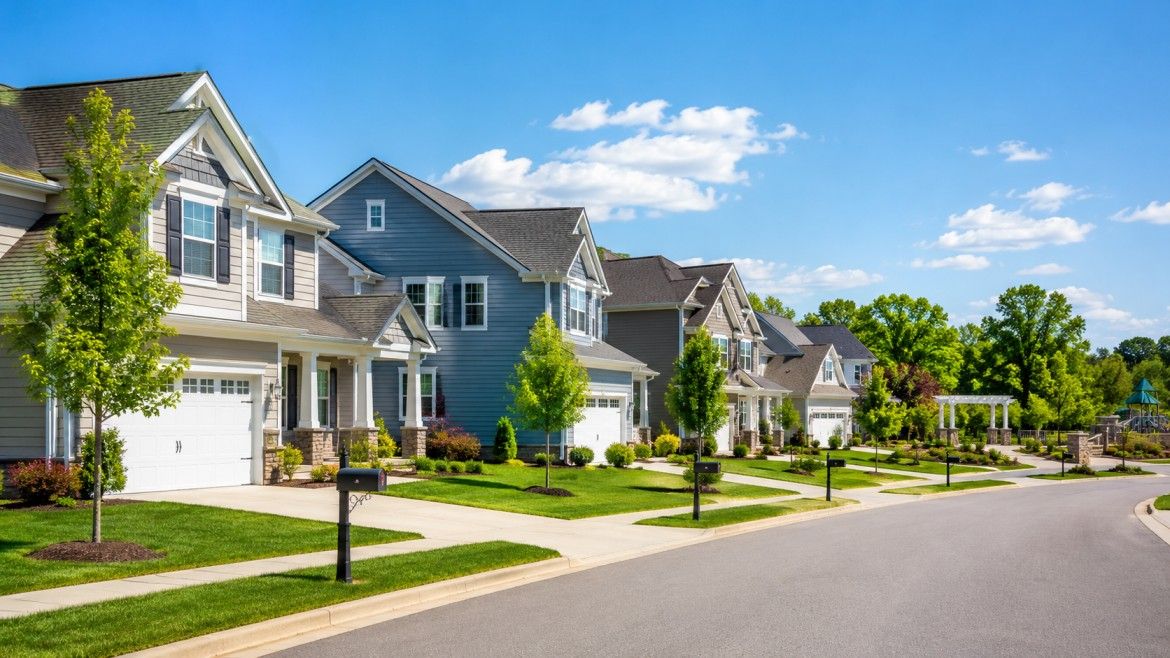
You’ll deal with this type of HOA when living in a neighborhood with detached houses. Each home is separate, complete with its own yard and driveway. The HOA doesn’t get involved in what happens inside the house. It’s more about outdoor spaces and the area's overall look.
So things like entrances, small parks, or shared landscaping are what they typically handle. There are also basic expectations for maintaining yards and exteriors to ensure everything looks consistent across the community.
Cooperative Housing Associations
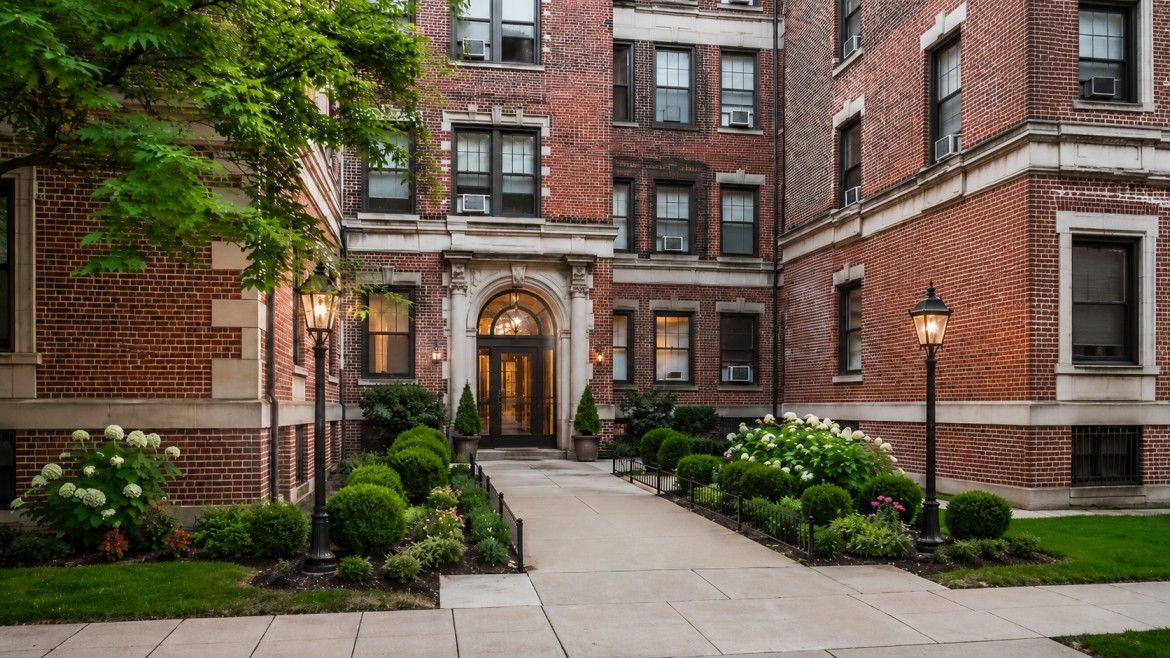
Cooperative housing (or co-ops) is when people buy shares rather than owning a unit directly. That share entitles the holder to a unit in a building. A co-op housing association manages that building, maintaining shared spaces and basic resident amenities.
Condominium Home Associations
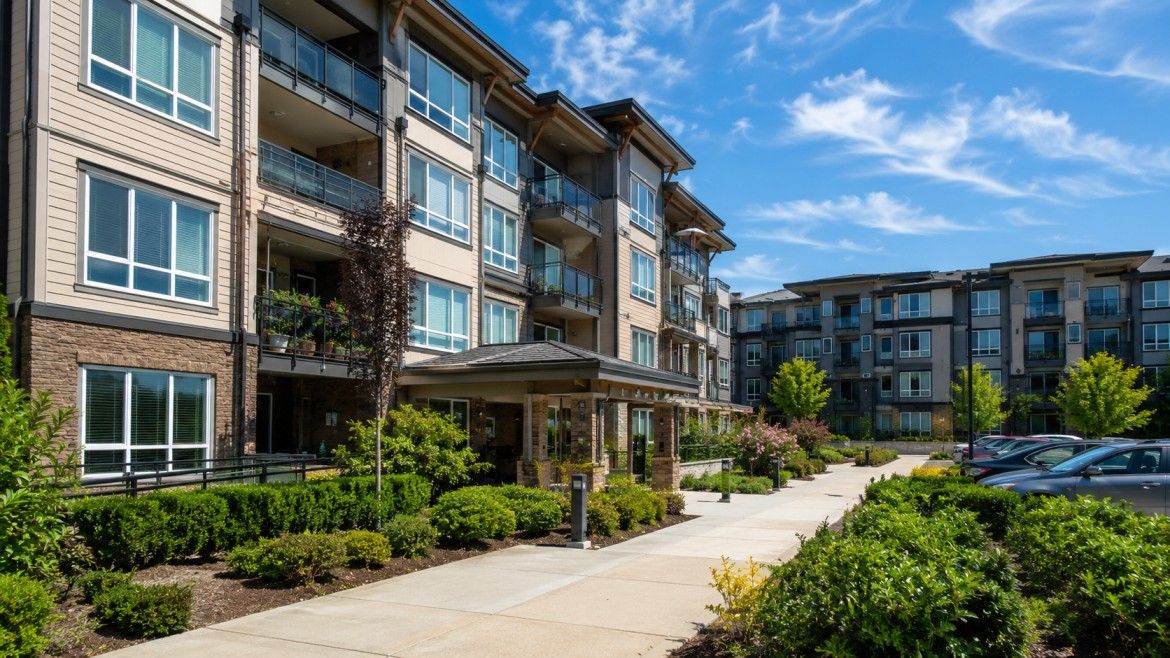
Condo home associations apply to condo buildings. These large buildings have multiple units where people live. They typically buy and own these units. Condo associations maintain common areas such as:
- Hallways
- Roofs
- Elevators
- Parking spaces
- Other shared parts of the building
Since these areas are used by everyone, the maintenance is handled by the association. When buying a condo unit, buyers usually go through a condo loan process.
Planned Unit Development
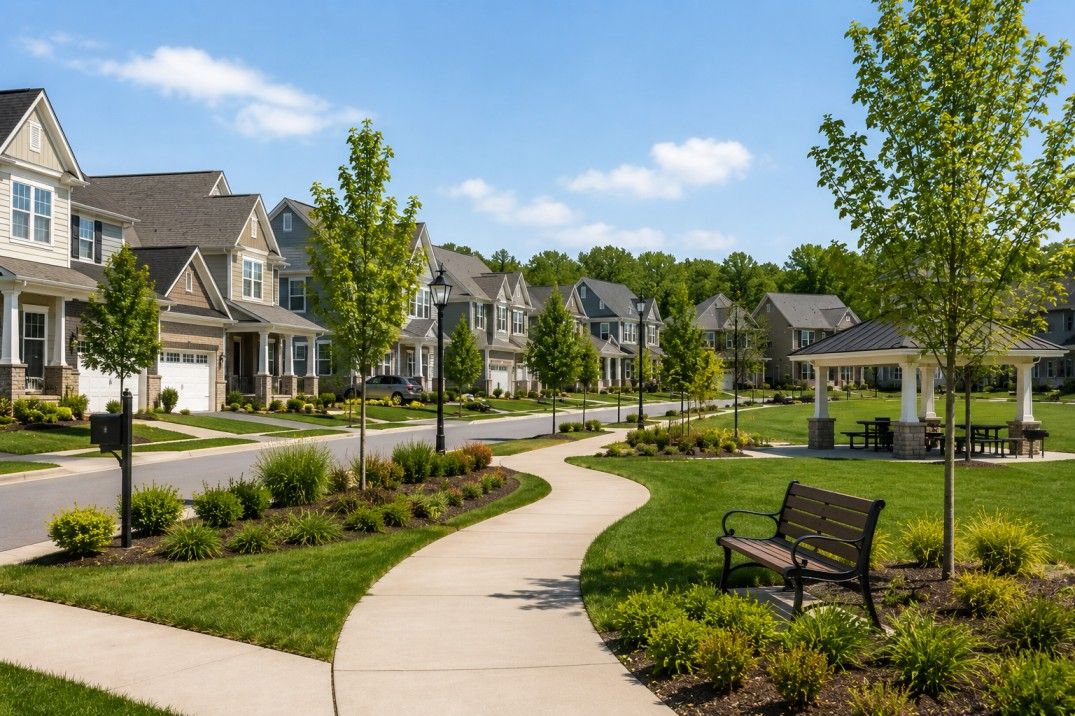 Planned Unit Development (PUD) is typically a larger community with a mix of housing types. You might find single-family homes, townhomes, and condos all within the same area. These communities are often planned with shared amenities like parks, walking trails, clubhouses, or private roads. The HOA in these communities manages the shared spaces and handles maintenance for the entire community, not just individual sections.
Townhome HOA
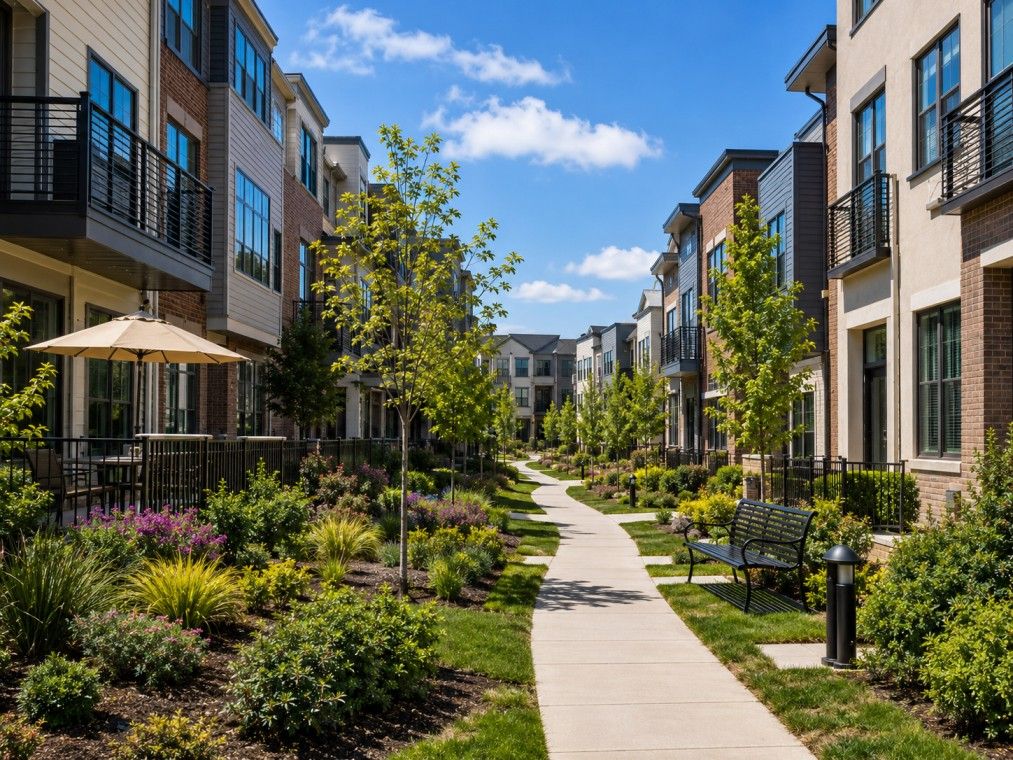
Townhome communities sit somewhere between condos and single-family homes. The homes are attached, but each one is still individually owned. Inside maintenance is usually the homeowner’s responsibility.
HOA Rules and Regulations
When you buy a home in an HOA community, you’re expected to follow certain community standards. These standards, commonly referred to as HOA rules, are typically set forth in documents like CC&Rs. This documentation explains what you can do on your property and what may require the association's approval.
Different communities have different expectations. So, the rules set by your HOA may differ from those of someone else you know based on the community you live in. Some associations focus only on maintaining shared spaces, while others have stricter policies. They may enforce rules about parking, pets, landscaping, exterior paint colors, decorations, noise levels, etc.
Some of the most common areas covered by HOA rules include:
Property Upkeep
Homeowners must maintain lawns and gardens and keep the home’s exterior clean. For example, you may need to regularly mow your grass, address weed control, prune trees, and edge. Some go so far as to require the use of specific, approved plant lists for new plantings to maintain a consistent neighborhood appearance.
Exterior Changes
Homeowners in an HOA community often have less flexibility in making major exterior changes. Extensions, garages, or other visible alterations may require prior approval. The same applies to design and paint considerations. Certain communities restrict exterior colors or require approved design standards.
Pet Restrictions
If you have pets, know that some HOAs limit certain breeds, sizes, or the number of pets allowed. If you want to add a pet to your home, you can’t assume it is allowed. If you’re unsure about a breed or the size is close to the limit, it’s best to ask the property manager or HOA board.
Shared Amenities Usage
HOAs enforce certain rules to avoid overcrowding, maintain safety, and manage liability. Facilities like pools, parks, or clubhouses may have timing rules or guest limits. For example, you may be able to bring only 2 to 6 guests per unit to a shared space at any time.
Dues and Penalties
Late payment of HOA fees may result in fines or additional charges under the CC&Rs. For example, if you’re late paying your maintenance fees, your balance may start collecting interest.
HOA Fees: What Do They Cover?
If you live in an HOA community, expected to pay fees.
These payments (known as HOA fees) help cover the costs of maintaining shared areas. The amount depends on the community, its size, and the facilities offered.
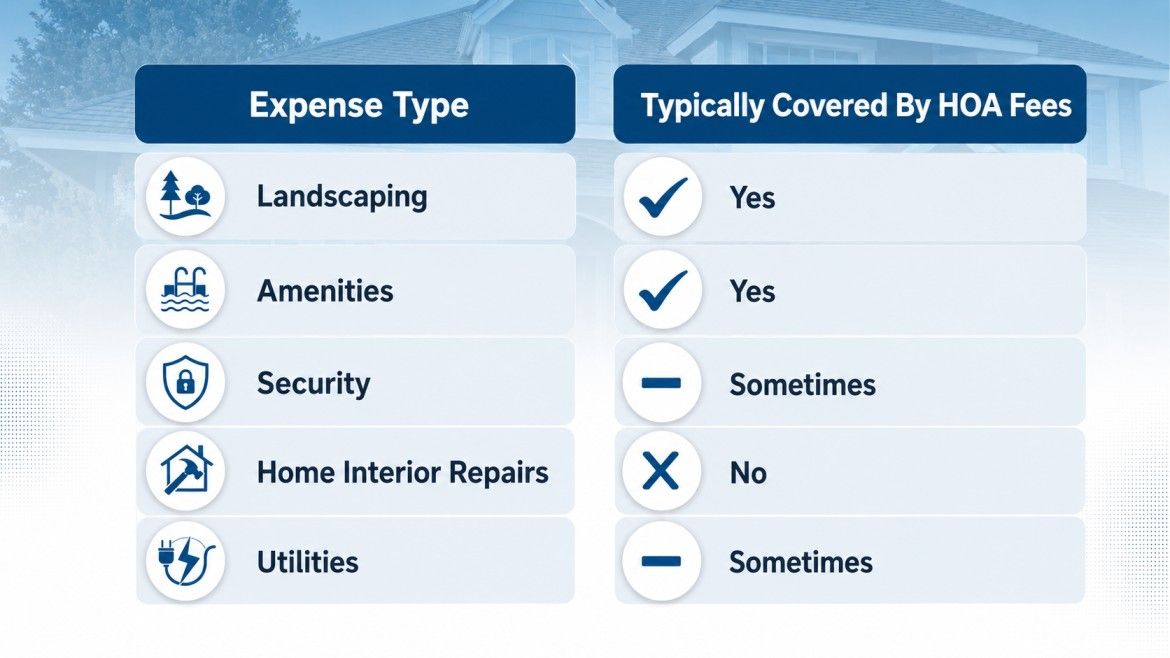 For example, fees are often used for landscaping, cleaning common areas, trash services, and park maintenance. Gated neighborhoods may also use part of the budget for security systems or controlled entry points.
You may also hear the term HOA dues, which is simply another name for the same type of payment. These funds are often used to maintain shared amenities such as swimming pools, clubhouses, fitness centers, elevators, and other common facilities that residents use together.
HOA Board vs. HOA Management Company
People often confuse the HOA board with an HOA management company. However, the two do not address the same things. One is usually made up of neighborhood residents, while the other is a professional service company that manages operations. Together, they help keep the community functioning smoothly.
What Is an HOA Board?
An HOA board is made up of homeowners — often volunteers — who were elected by other residents. They are aware of what’s going on in the community because they live there.
This board is responsible for making neighborhood decisions and handling important community matters. Some common HOA board responsibilities include reviewing budgets, managing reserve funds, and overseeing maintenance work. The board may also respond to complaints, discuss upcoming projects, and organize meetings with residents. These are part of the regular HOA board duties handled throughout the year.
What About a HOA Management Company?
An HOA management company is usually hired when the board needs help managing everyday community operations. This hired company works alongside the board and handles many routine administrative tasks.
HOA management services can include collecting payments, coordinating maintenance work, speaking with contractors, updating residents, and helping resolve day-to-day operational issues. In larger communities, management companies are often used because they help reduce the amount of work the board has to manage on its own.
Pros and Cons of Living in an HOA
Living in a community with an HOA works well for some homeowners. However, it's not the ideal choice for others. Some like having shared amenities and organized surroundings, while others would rather avoid extra rules and monthly dues. Since every association operates differently, the day-to-day experience can vary widely from one community to another.
Pros
Some of the common advantages of living in an HOA include:
Residents in some HOA communities have access to pools, parks, gyms, walking trails, or clubhouses. If they did not live in an HOA, they may not be able to use these amenities regularly.
Individual homeowners do not need to maintain the shared spaces they can enjoy.
Some homeowners appreciate not having to manage certain outdoor maintenance tasks themselves.
Communities that are maintained may attract future buyers more easily.
Cons
At the same time, there are a few drawbacks that homeowners should keep in mind:
HOA dues become another regular expense for homeowners.
Associations are stricter than others when it comes to property changes.
Rules about parking, pets, decorations, or noise may feel unnecessary to some residents.
Homeowners may incur additional charges for major repair projects.
Disagreements between residents and the HOA are not unusual in some communities.
Special Assessments in HOA
An HOA special assessment is an extra fee that homeowners may need to pay. These funds go beyond regular HOA dues and are typically one-time payments. These are also referred to as HOA extra fees or HOA assessment charges.
Special assessments are typically introduced when unexpected expenses come up in the community. This could include major repairs, emergency maintenance, or damage caused by natural events. In some cases, the regular budget is not enough, so the cost is shared among all homeowners.
The amount charged depends on the severity of the issue and the size of the community. For example, following a severe storm, a large community may face a significant repair bill.
What Happens If You Don’t Pay HOA Fees?
People who stop paying HOA dues will often face more than reminders from the association. In many communities, the unpaid amount keeps growing. Extra costs are added to the bill in the form of penalties.
These HOA penalties may include late charges, interest, or other collection-related fees. Some may also block access to shared amenities while the account stays overdue.
The situation can become more serious if the balance is ignored for a long time. A homeowners' association may place a lien against the property to recover the unpaid amount.
FAQs
Do HOA fees stay the same every year?
No, HOA fees can change from one year to the next. The association may increase dues based on rising maintenance costs, new projects in the community, or the latest budget requirements.
What actions can an HOA take if fees are not paid?
Unpaid dues can lead to HOA penalties — like added charges or restricted access to shared facilities. If dues remain unpaid, the HOA may take legal action.
Is it possible to avoid joining an HOA?
In most planned communities, joining is not optional. Membership is tied to property ownership, so it’s automatic. If the HOA is voluntary, homeowners can opt out. But if you do, you could miss out on community services and shared amenities.
Who controls or updates HOA rules?
HOA rules are managed by elected board members and sometimes updated through homeowner voting. Changes depend on the community’s governing documents and are usually reviewed before being officially implemented.