




When you picture your perfect home, what comes to mind? A good location? A nice home that’s within your budget?
The home you choose will impact so many aspects of your life. From your daily routine and maintenance responsibilities to your privacy and overall comfort, the home you choose has immediate and lasting effects.
The “perfect” home looks different for each homeowner. You may want freedom and outdoor space, which is what you’ll enjoy with a single-family home. Others seek little maintenance and convenience, which is why they are drawn to townhouse communities or condos.
And then there are home styles like ranch, colonial, Victorian, farmhouse, modern, and contemporary, which shape a property's overall look, layout, and feel.
Before you begin comparing listings, it helps to understand the main types of houses and what makes each one different. This guide explains the most common types of homes, popular house styles, and the key factors to consider when choosing the best option for your lifestyle, budget, and future.
Types of Houses
There are many types of homes. The one you choose influences your way of life.
Some homes are more about privacy and outdoor living. Others prioritize shared amenities and low maintenance. That is why the “right” choice differs based on the buyer. Other factors include your budget, family size, location, and the level of responsibility you want to take on as a homeowner.
Below are some of the most common types of houses buyers usually come across while searching for a home.
Single-Family Homes
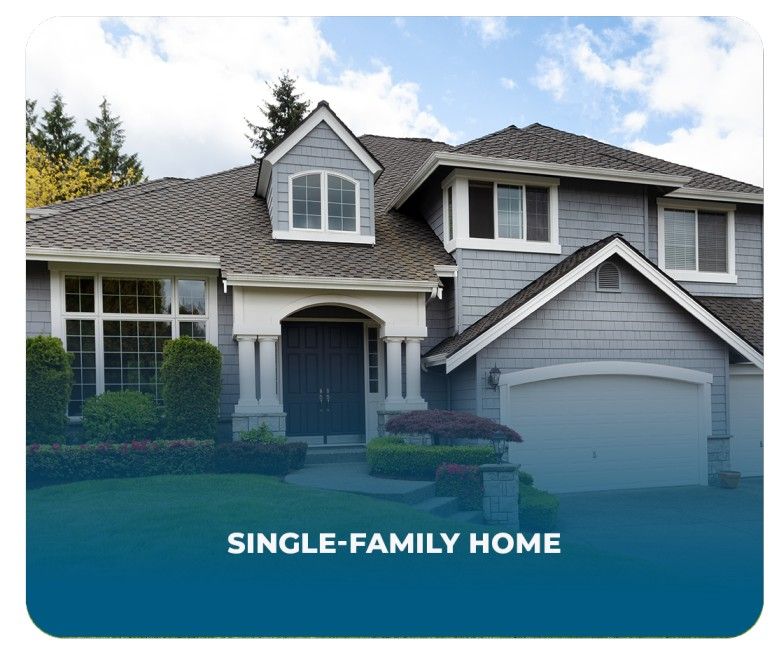
When most people think about buying a home, they typically picture a single-family home.
A single-family home is built for one household and sits separately from other homes. Some features may include a small yard, a driveway, a garage, or just a bit of open space. You will often see these homes in suburbs and regular residential neighborhoods.
People usually choose a single-family home because it feels more private and offers more space to live the way they want. There may be space for kids to play, for pets to roam, for a garden, or for outdoor seating. The owner also has greater control over the property, though local or HOA rules may still apply. The only thing buyers should think about carefully is upkeep. Repairs, lawn work, roof care, and most outside maintenance are usually the owner’s responsibility.
Best For: Families, long-term buyers, pet owners, and anyone who wants more privacy, outdoor space, and control over their living space.
Condominiums
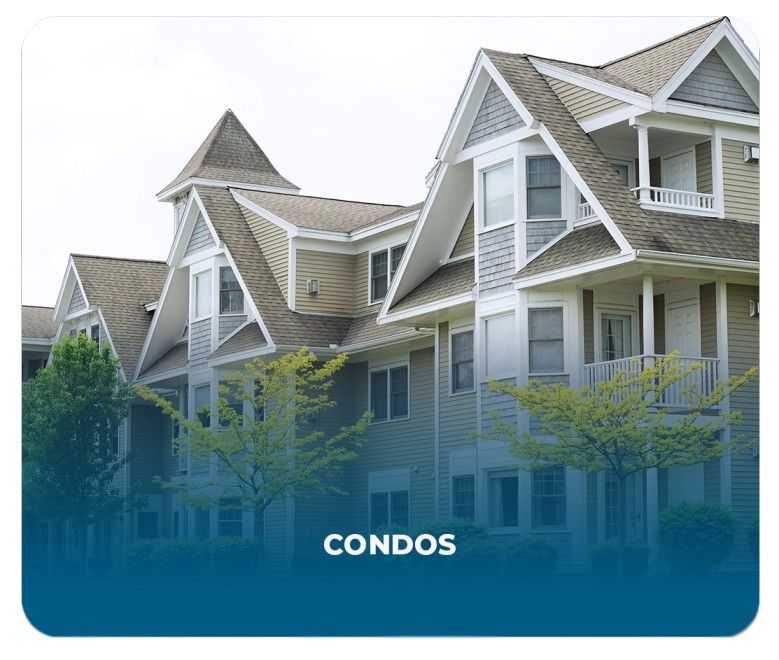
If you like apartment-style living but enjoy the benefits of ownership, a condo may be a good fit. Instead of buying a plot of land, buyers invest in one private unit inside a large community or residential building. You will share spaces with other residents, including hallways, parking areas, gyms, elevators, pools, gardens, and clubhouses.
This type of home is best for people who seek less daily maintenance. Common area cleaning, exterior repairs, landscaping, and shared facilities are typically managed by the HOA or condo association. In these living situations, owners pay a fee. Before buying, know what you’ll be charged monthly or annually, as well as the community's guidelines and rules.
Best For: First-time buyers, seniors, busy professionals, and buyers who prefer low-maintenance urban living.
Townhouses
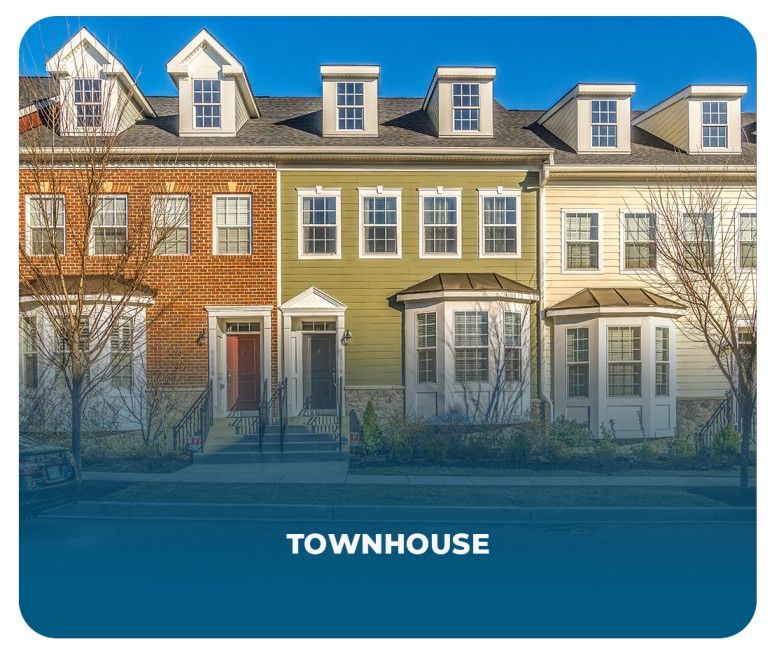
Townhouses, also known as townhomes, offer a middle ground between condos and detached houses. The home usually has its own entrance. However, one or both side walls are shared with neighboring units. Since most townhomes do not have a common lobby, they can feel more private than many apartment or condo buildings.
Most townhomes are built over two or more floors, so the space rises rather than spreading across a wide lot. This makes them common in cities, compact neighborhoods, and planned communities. Buyers often choose townhouses when they want more room than a condo, less upkeep than a detached home, and access to shared features like parking, small yards, gardens, or community amenities.
Best for: Small families, working professionals, first-time homeowners, and downsizers who want a private entrance, multi-floor living, and manageable upkeep.
Duplex/Multi-family homes
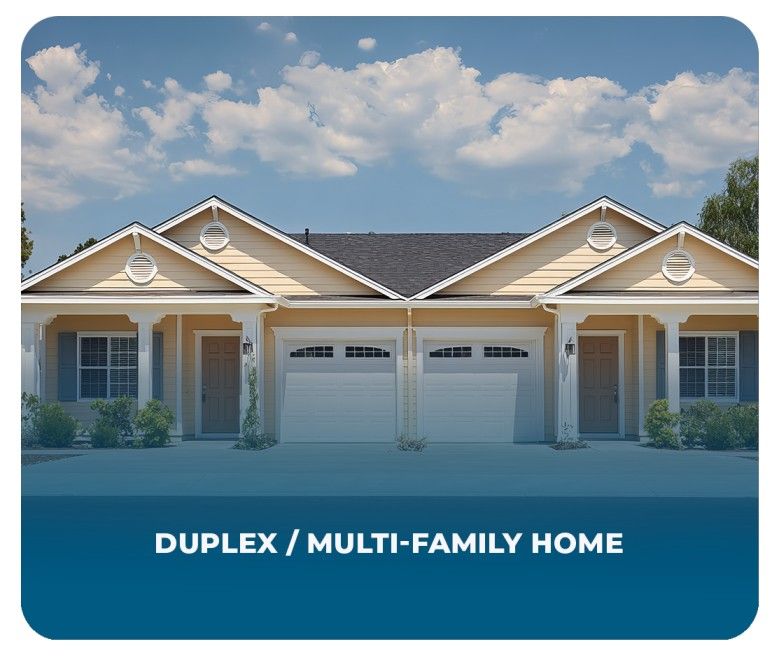
A duplex is basically one property split into two separate living spaces. In some homes, the units sit side by side. In others, one unit is upstairs, and the other is downstairs. Each space usually has its own entrance, kitchen, bathroom, and living area. This type of home allows two households to live separately under the same roof. Multi-family homes follow the same idea, but they may have three or more units instead of just two.
People often look at duplexes or multi-family homes when they want a home that can also bring in income. For example, an owner may live in one unit and rent out the other, or use the second space for parents, adult children, or guests.
Investors looking to acquire these properties often seek to source motivated home seller leads — owners ready to sell quickly for cash and off-market, often before their properties even hit the market.
The main benefit is flexibility and potential income. However, the responsibility is greater as well. Repairs, tenant issues, insurance, maintenance, and local rental rules all need to be considered before buying.
Best for: Buyers who want rental income, investors, or families who need separate living spaces in one property.
Co-operative Housing (Co-ops)
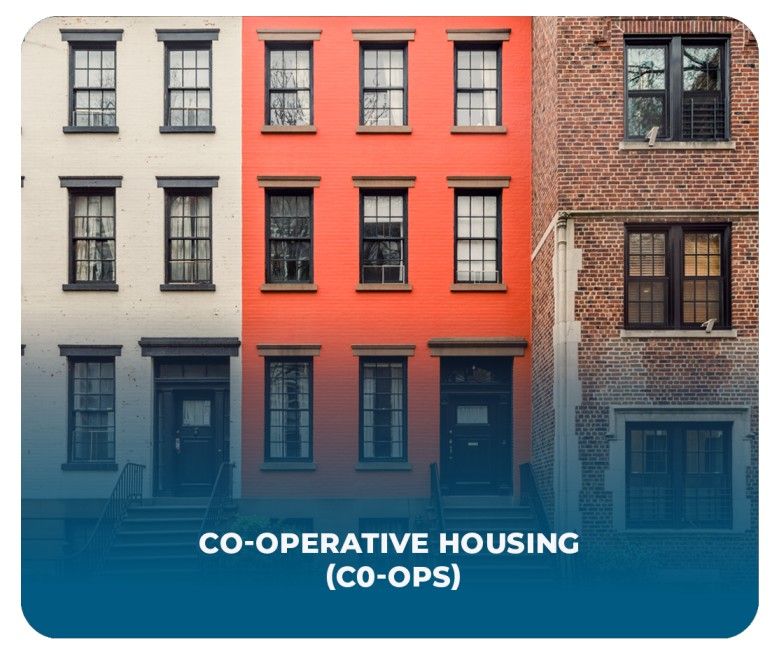
Co-operative housing, known as a co-op, is not the same as buying a condo or a house. In a co-op, you usually do not own the unit itself. Instead, you buy shares in the company or association that owns the building. Those shares give you the right to live in a particular unit.
This type of housing feels more community-based because residents are often involved in decisions about shared spaces, repairs, building rules, and monthly costs. A co-op board may also review buyers before they move in, so the approval process can be stricter than other housing options.
Before choosing a co-op, buyers should carefully review the fees, rules, maintenance responsibilities, and the extent of residents' involvement in building decisions.
Best for: Urban residents, seniors, professionals, and people who are comfortable with board approval, shared costs, and community-based housing rules.
Tiny Homes
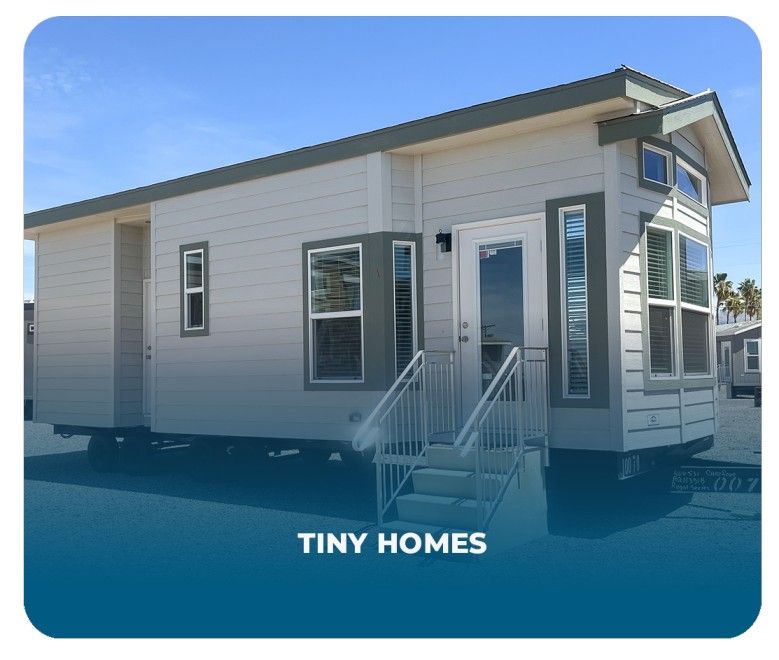
Tiny homes are for people who are open to a minimalist life and simpler living. There is not much room to waste, so the layout has to be well-planned. You might see a bed placed above the main room, shelves tucked into corners, storage under a seat, a foldable table, or a tiny kitchen with only the things used every day.
The appeal is usually the lower cost and easier upkeep. There is less to clean, less to fill, and less space for things you do not really need. But living in a tiny home is not always as easy as it looks online. Before choosing one, consider where it will be placed and whether the area allows tiny homes. Next, you need to focus on the essentials — how will water and power work?
Best for: Minimalists, singles, couples, retirees, and people who want lower housing costs with simple, low-maintenance living.
Types of House Styles
House styles differ from house types. A house type tells you what kind of property it is, such as a condo, townhouse, duplex, or single-family home. A house style highlights the home's look and feel, including its roof shape, layout, windows, exterior details, and overall design.
Victorian-Style House
Victorian houses are usually easy to spot because they are unique. They do not look plain, and they do not blend in with newer homes. Many have steep roofs, narrow windows, front porches, carved trim, and small decorative details around the edges. Some also have towers, rounded corners, or unusual shapes that give the home a more dramatic look.
Inside, the layout can feel different from many modern homes. Instead of a single large open space, Victorian homes often have separate rooms with distinct purposes. That can feel charming if you like older houses with character, but it can also mean more upkeep. Original woodwork, older windows, roof details, and exterior trim may require regular maintenance, so buyers should be prepared for extra upkeep.
Best for: People who like historic homes, detailed architecture, and a property with a unique personality.
Modern-Style House
Modern homes usually look simple, but that does not mean they look empty or plain. They typically do not have heavy trim, carved details, and busy exterior work (as seen in many older house styles). You will often notice wide windows, straight edges, flat or low roofs, and clean walls. Glass, wood, steel, and concrete are also often used, but the design normally stays calm and uncluttered.
Inside, the space is usually easier to move through. The kitchen, dining area, and living room may be connected rather than separated. This kind of layout can make the home feel brighter and more relaxed. It works well for people who like natural light, open rooms, and a house that feels simple without looking old-fashioned.
Best for: People who prefer clean design, open layouts, natural light, and simple interiors.
Colonial-Style House
Colonial homes offer a neat, balanced look. They are not the kind of houses that feel too experimental. Most of these homes have two or three floors, a front door placed near the center, and windows arranged evenly on both sides. The overall shape is often simple. However, it is that simple layout that gives the home its classic feel.
Inside, Colonial-style homes have rooms that are often separated, unlike newer open-plan houses. The living room, dining room, and family areas may each have their own space. Some people like this because the home feels more organized and traditional, especially for families who prefer clear rooms for different daily uses.
Best for: Families and homeowners who like a traditional look, balanced design, and clearly separated rooms.
Ranch-Style House
‘Simple’ is a word people often use to describe ranch-style homes. They sit low and wide, and most of the rooms are on one level. This layout makes daily movement easier, especially for people who do not want to keep going up and down stairs. The layout is one reason many people prefer this style.
A ranch home may have large windows, an attached garage, and a back door or sliding door that opens toward the yard. Some are small and plain, while others have open living areas, patios, or an L-shaped layout that makes the outdoor space feel closer to the home. It is a good fit for people who want comfort, easy movement, and a house that does not feel complicated.
Best for: Seniors, small families, and people who want easy single-floor living.
Farmhouse-Style House
Farmhouse homes usually don't feel overly polished. These homes have a look that connects with people's memories of older country houses. These are the homes where the porch, kitchen, and family room are used every day. A wide porch, a pitched roof, wood touches, and a big kitchen are often part of the style.
New farmhouse homes can look quite different from the older ones. Some still feel rustic, while others only keep a few farmhouse details and mix them with brighter rooms, cleaner walls, and more open space.
Best for: Families and homeowners who like warm interiors, open kitchens, porches, and country-inspired design.
Midcentury Modern House
Midcentury modern homes often feel simple yet have personality. This style became popular around the middle of the 20th century, influencing homes from that period to this day. You will often see low roofs, wide glass windows, open rooms, and a layout that brings the outside view into the home.
What people usually like about this style is that the living space feels relaxing. The rooms do not feel too crowded, and the house often gets plenty of natural light. A midcentury modern home can be a good fit for people who like older homes, but still want a layout that feels useful for everyday living.
Best for: People who like retro-modern design, open spaces, large windows, and indoor-outdoor living.
Federal-Style House
Federal homes tend to look and feel more formal. The front of the house often feels very even, with windows placed in a balanced way and an entrance that looks simple but refined. Brick exteriors, narrow windows, and small classical details are common in this style.
You will often find Federal-style homes in older neighborhoods or historic areas. They suit people who like a clean, traditional look with minimal ornamentation. The style feels polished and classic, but still quieter than some other historic house styles.
Best for: People who like historic homes, symmetrical design, brick exteriors, and classic architectural details.
Contemporary-Style House
Contemporary homes are designed around what feels current now. They are not tied to a fixed period, unlike other styles. The contemporary style changes over time, which is why one contemporary house may look bold and creative, while another may feel simple and calm. Large windows, open layouts, neutral colors, mixed materials, and energy-saving features are common in many of these homes.
This style is usually for people who want a home that feels fresh and flexible. The space may be planned for natural light, easier movement, and everyday comfort rather than old-style formal rooms. A contemporary home can feel modern, but it is really about today’s lifestyle and what works well for how people live now.
Best for: People who want a fresh, updated home with open space, natural light, and modern features.
Which Type of House Is Best for You?
When buying a home, there is a lot to consider. The type and style are two major variables — along with everything else that weighs on your decision. If you're comparing properties or preparing one for potential buyers, you can also create a digital real estate brochure to showcase important features, photos, and details in one easy-to-share format.
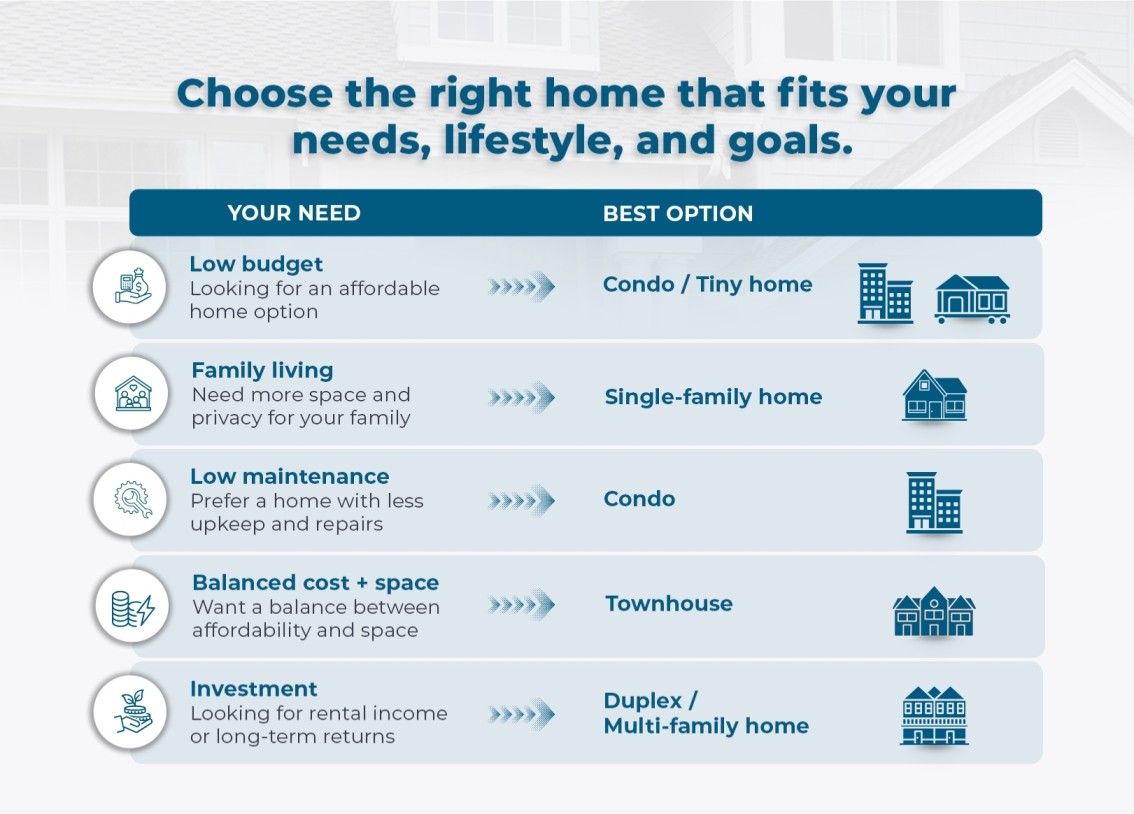
The best choice for you is usually the one that fits your normal day-to-day life, not just the one that looks good in photos. If you have kids, pets, or need more room, a single-family home may be the most comfortable and practical option. If you do not want to spend weekends dealing with repairs, yard work, or exterior maintenance, a condo may make more sense.
It also depends on where you are in life. A townhouse can work well for someone who wants more space than a condo but does not want the full responsibility of a detached house. A duplex or multi-family home may be better for someone considering rental income. Before deciding, it is worth looking at your budget, family needs, location, maintenance comfort, and how long you plan to stay in the home.
If you like having your own space and making decisions without too many shared rules, a single-family home will probably feel better. You get more privacy, more room, and usually more freedom with how the property is used.
If you want something easier to look after, a condo can be the simpler choice. A townhouse is more of a middle option because it gives you more space than many condos, but not as much upkeep as a fully detached house. And if you are also thinking about earning rent, then a duplex or multi-family home is worth checking before making a final choice. Before the final decision, WIN Home Inspection gives the home a closer look to reduce surprises later.
FAQs
What are the most common types of houses?
The common types of houses include single-family homes, condos, townhouses, duplexes, multi-family homes, co-ops, and tiny homes. They do not all offer the same kind of living. Some give you more space and privacy, while others are easier to manage or work better in busy city areas.
Which type of house is best for first-time homeowners?
First-time homeowners often consider condos or townhouses because they can be easier to manage than a fully detached home. There may be less yard work and fewer exterior repairs to manage. Still, someone who wants a yard, more privacy, and more control over the property may feel better in a single-family home.
Which type of house is best for investment?
Duplexes and multi-family homes are usually the first options people think about for rental income. Some owners live in one unit and rent out the other, which can help with monthly costs. Before buying, it is worth checking rent demand, local rules, repair costs, insurance, and whether the property will still make sense after regular expenses.

Related Articles
View All


Get the Latest Insights!
Sign up to stay up to date with latest tips, trends and updates from WIN.