


How to Become a
Home Inspector in
Virginia

Licensing Hub

Exploring a different state?

Switch states to see licensing requirements, steps, fees, and FAQs.

Getting Started

Your Path to Becoming a Home Inspector in Virginia

Becoming a home inspector in Virginia can be a great career move in a thriving real estate market. Virginia licenses and regulates home inspectors closely, which sets a higher standard for entering the field and builds strong trust with real estate agents.

This guide will walk you through Virginia’s state requirements, help you get the right insurance, and show you how to stand out in the local market.

Home inspector at work in Texas

Virginia Home Inspector
Licensing Requirements

Home inspectors in Virginia are regulated by the Department of Professional and Occupational Regulation (DPOR), specifically under the Board for Asbestos, Lead, and Home Inspectors. To get licensed, you’ll need to meet both education and hands-on experience requirements. 

Licensing Required

Yes, a license is required to perform home inspections in Virginia.

Education Hours Required

70 Hours of board-approved education (or 35 hours depending on experience tier).

Field Training Required

25 Ride-along home inspections supervised by a licensed inspector (or 50 with 35 hours of education).

Exam Required

National Home Inspector Examination (NHIE).

Application Fee

$80 application fee.

Fingerprinting

No, fingerprinting is not required (must disclose prior criminal convictions).

Continuing Education Hours

16 hours every 2 years.

License Renewal Cycle

License must be renewed every 2 years.

The Path To Licensing

6 Steps to Become a Home Inspector in Virginia

Take the first step toward becoming a licensed home inspector in Virginia. Here’s everything you need to launch a rewarding career.

WIN is the only home inspection franchise with TREC-approved training

Virginia gives you two paths to meet your initial requirements: 

  • Track A: Take a 70-hour approved pre-licensing course, then complete 25 supervised inspections. 
  • Track B: Take a 35-hour approved pre-licensing course, then complete 50 supervised inspections. 

Whichever path you choose, your training must come from a DPOR-approved provider and cover the major home systems, including structural, electrical, plumbing, and HVAC. 

Depending on which track you choose, you’ll need to complete either 25 or 50 home inspections under the direct supervision of a currently licensed Virginia home inspector. 

Pro-Tip for Virginia: Finding an inspector willing to train you takes some effort, so it helps to start early. A great way to find a sponsor is by networking through local chapters of the Virginia Association of Real Estate Inspectors (VAREI) or the American Society of Home Inspectors (ASHI). Be sure to log each inspection carefully using the DPOR Inspection Log form. 

The NHIE tests your knowledge of property inspection, analyzing findings, and your responsibilities as a professional. It has 200 multiple-choice questions with a 4-hour time limit, and you’ll need a scaled score of 500 or higher to pass. Each attempt costs about $225.

Virginia law requires home inspectors to carry General Liability insurance with a minimum coverage of $250,000 per occurrence.

Market Reality: DPOR only requires General Liability insurance, but most Virginia real estate brokerages will ask you to also carry Errors and Omissions (E&O) insurance before adding you to their preferred vendor list. Bundling both policies together is a smart move.

Before submitting your application, gather these items: 

  • Your pre-license education certificate 
  • A completed Experience Verification Form, certified by your supervising inspector 
  • Your official NHIE passing score 
  • Criminal History Disclosure: Virginia asks applicants to share any past misdemeanor or felony convictions. If this applies to you, you’ll need to include a State Police Criminal History Record along with a detailed explanation for the Board to review.

Submit your completed application, documents, and the $80 application fee to the Virginia DPOR. While you wait for approval, it’s a good time to set up your business. In Virginia, LLCs and Corporations need to be registered with the Virginia State Corporation Commission (SCC). You’ll also need a local business license from the county or independent city where your office is located. 

For those who prefer support and guidance, WIN Home Inspection offers state-approved training, business mentorship, marketing resources, technology, and ongoing guidance designed to help inspectors launch and grow their businesses. 

Virginia Market

Virginia Market Nuances:
Climate and Construction Factors

Virginia is a beautifully diverse state, which means inspecting a house near the beach in Hampton Roads is a totally different experience than inspecting a home up in the Shenandoah Valley. Here are a few things you’ll need to keep an eye on:

Humid Summers and Damp Crawlspaces

Between the hot, sticky summers and the coastal air, the space underneath houses can get incredibly damp. You’ll be crawling under homes to make sure there’s proper ventilation and looking out for wood rot or mildew that loves to grow in trapped moisture.


Termites and Wood Damage

That warm, damp Mid-Atlantic weather is an absolute paradise for termites. Spotting the tell-tale signs of these pests, identifying old damage in the wood framing, and knowing how to document it will be a regular part of your weekly routine.

Radon in the Mountains

While the coastal areas don’t worry about it as much, the rocky ground out west in the Blue Ridge Mountains produces a lot of naturally occurring radon gas. If you’re working in those mountainous areas, offering a simple radon test is a great way to better serve your clients and add a little extra income to each job.

Historic Properties

Cities like Alexandria, Richmond, and Williamsburg are full of incredible, centuries-old homes. Inspecting these properties takes a special touch. You’ll learn how to evaluate old brickwork, aging pipes, and outdated wiring, and figure out how to explain these quirks to homebuyers without unnecessarily scaring them away.

You Don't Have to Figure This Out Alone

Getting licensed is just the first step. WIN backs you up with a proven brand, a national footprint, and decades of real operating experience, so you can focus your energy on growing the business, not figuring it out alone.

#1 Ranked

Home Inspection Franchise
For Four Years In A Row

41,000+

Positive Google Reviews
From Happy Clients

45 States

Presence Across
The Nation

Certified. Insured. Trusted.

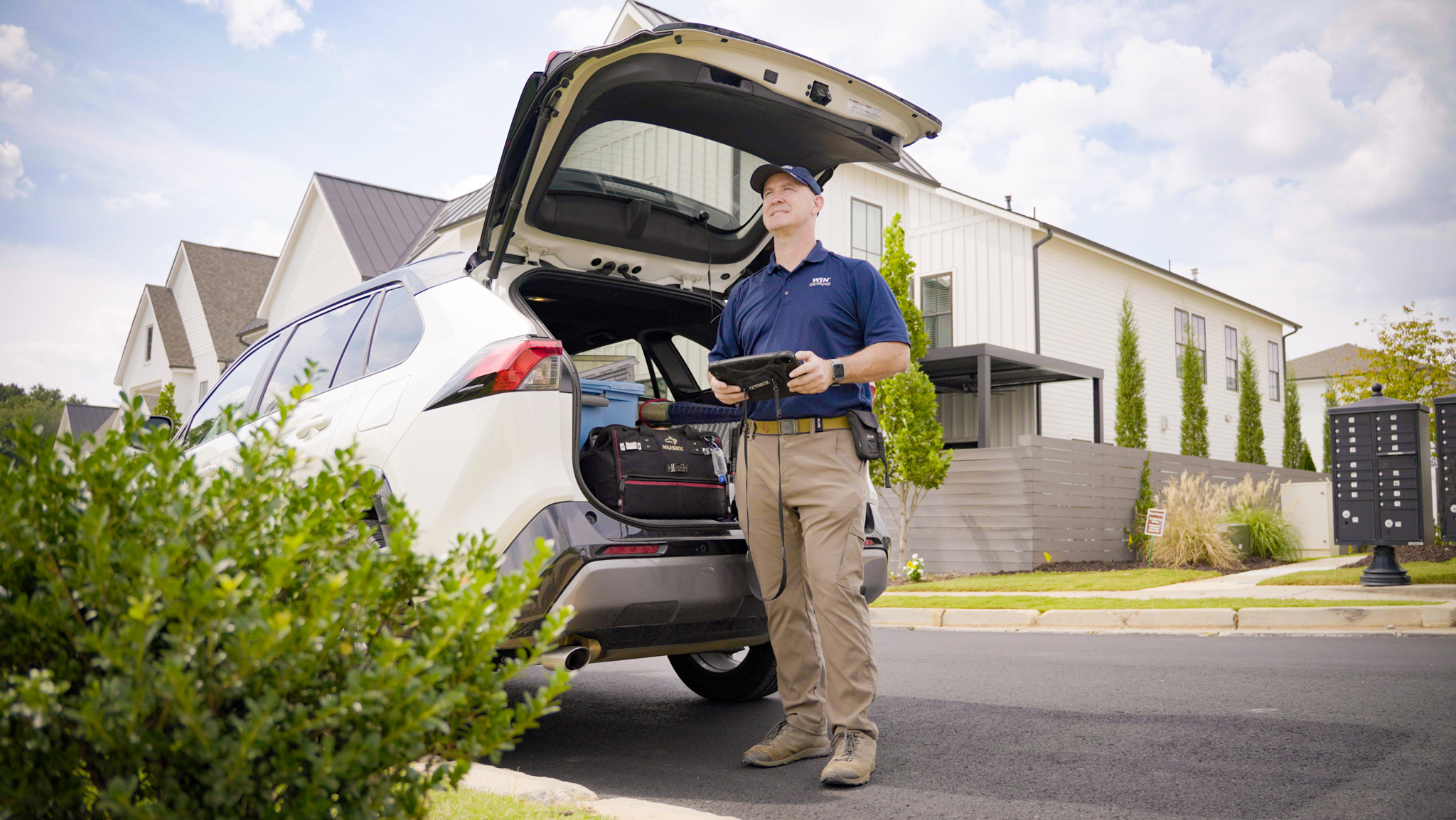
A Brand Virginia Homeowners Recognize On The Street

Every WIN franchise rolls out with the same recognizable identity, national trust, and proven playbook behind it.

WIN Home Inspection Vehicle
WIN Home Inspection

Kickstart Your Home Inspection Business

If you’re serious about becoming a home inspector in Virginia but want to skip the trial-and-error of starting from scratch, explore becoming a franchise owner with WIN Home Inspection. WIN helps you navigate the entire Virginia path, guiding you far beyond the basics. Our in-house training program certifies you in 35+ essential services, including high-margin specialties like radon test, sewer scope inspections, infrared scan. These are highly sought-after skills across Virginia’s humid inland and storm-exposed coastal markets that allow you to charge more per job and significantly increase your annual earnings. This comprehensive training is included in the franchise model, so there are no outside schooling costs. We provide the end-to-end marketing, proprietary technology, and ongoing support you need to build a highly profitable, multi-stream business from day one.

In Their Own Words

Hear Directly From WIN Strategic Partners

Tim Dornford
Tim Dornford
WIN Strategic Partner | Florida
Jeff Williams
Jeff Williams
WIN Strategic Partner | Washington
Michael Strickland
Michael Strickland
WIN Strategic Partner | Georgia
Dave Fisch
Dave Fisch
WIN Strategic Partner | Arizona
Now Expanding

Ready to Own Your Territory?

See where opportunities are available today and grow with WIN’s proven systems, 35+ essential services, and dedicated support team.

Virginia Beach
Chesapeake
Richmond
Norfolk
Newport News
Alexandria
Hampton
Suffolk
…and many more
Request Territory Info

Frequently Asked Questions

Home inspectors in Virginia typically earn between $60,000 and $80,000 a year, depending on experience and location. Entry-level inspectors tend to start lower, while experienced inspectors, especially those running their own business, can earn well over $100,000 a year.

Disclaimer: Requirements are set by the state regulator and are subject to change. This information is provided as a general guide and is reviewed regularly, but regulations can change at any time. WIN Home Inspection assumes no liability for any errors, omissions, or outdated details, and we recommend confirming the latest requirements directly with the relevant state agency before you apply.

Scroll to Top
BOOK A FREE
CONSULTATION
Looking for financial freedom? We can help!