




How to Become a
Home Inspector in
Georgia

Reviewed by Patrick Knight
Licensing Hub

Exploring a different state?

Switch states to see licensing requirements, steps, fees, and FAQs.

Getting Started

Your Path to Becoming a Home Inspector in Georgia

Becoming a home inspector in Georgia can be a great career move, since it’s one of the fastest-growing real estate markets in the country. Georgia takes an open approach to home inspection, allowing you to get started without a state license. That said, you’ll still need training, certifications, and experience to earn the trust of clients and real estate agents.

This guide will walk you through Georgia’s property laws, help you get the right credentials, and show you how to start your business the right way.

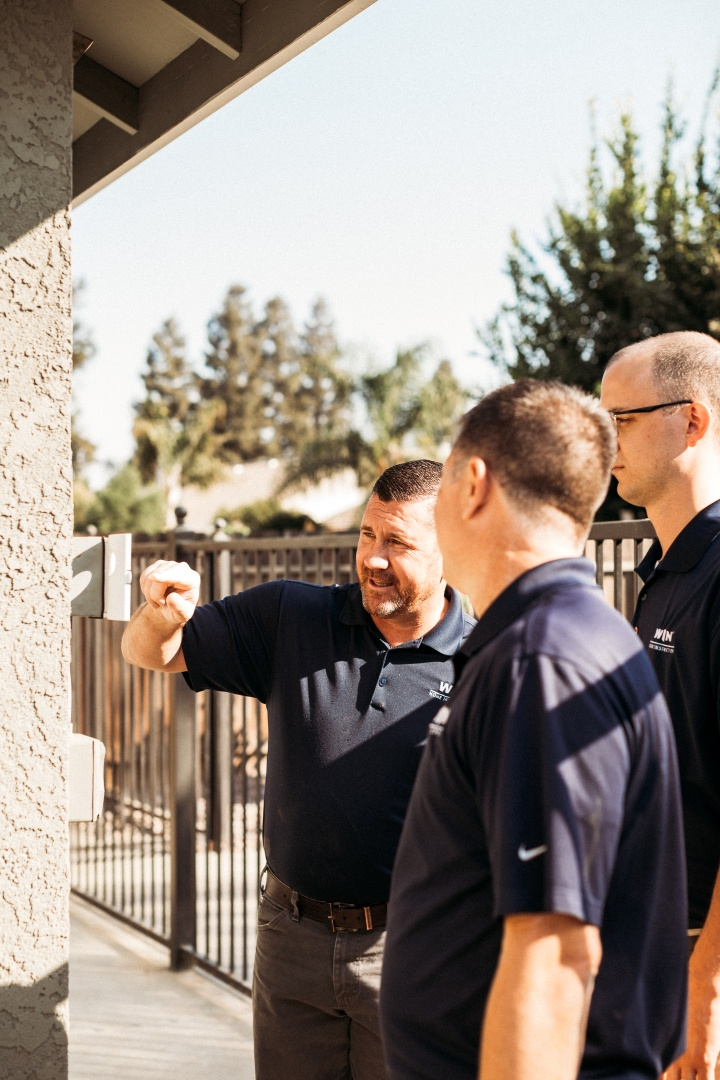
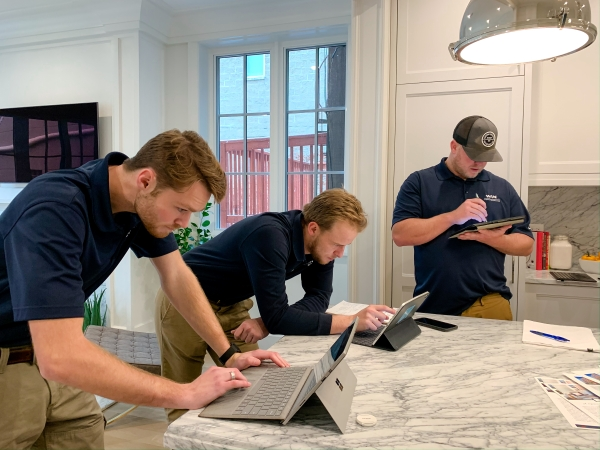
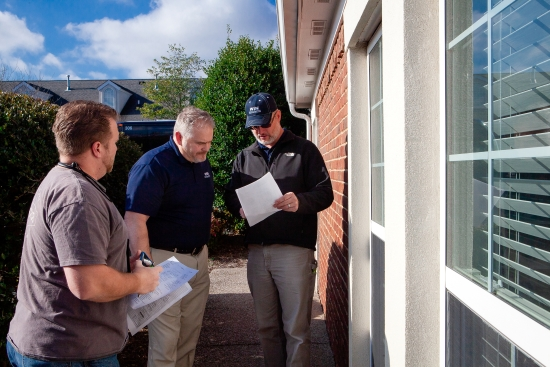
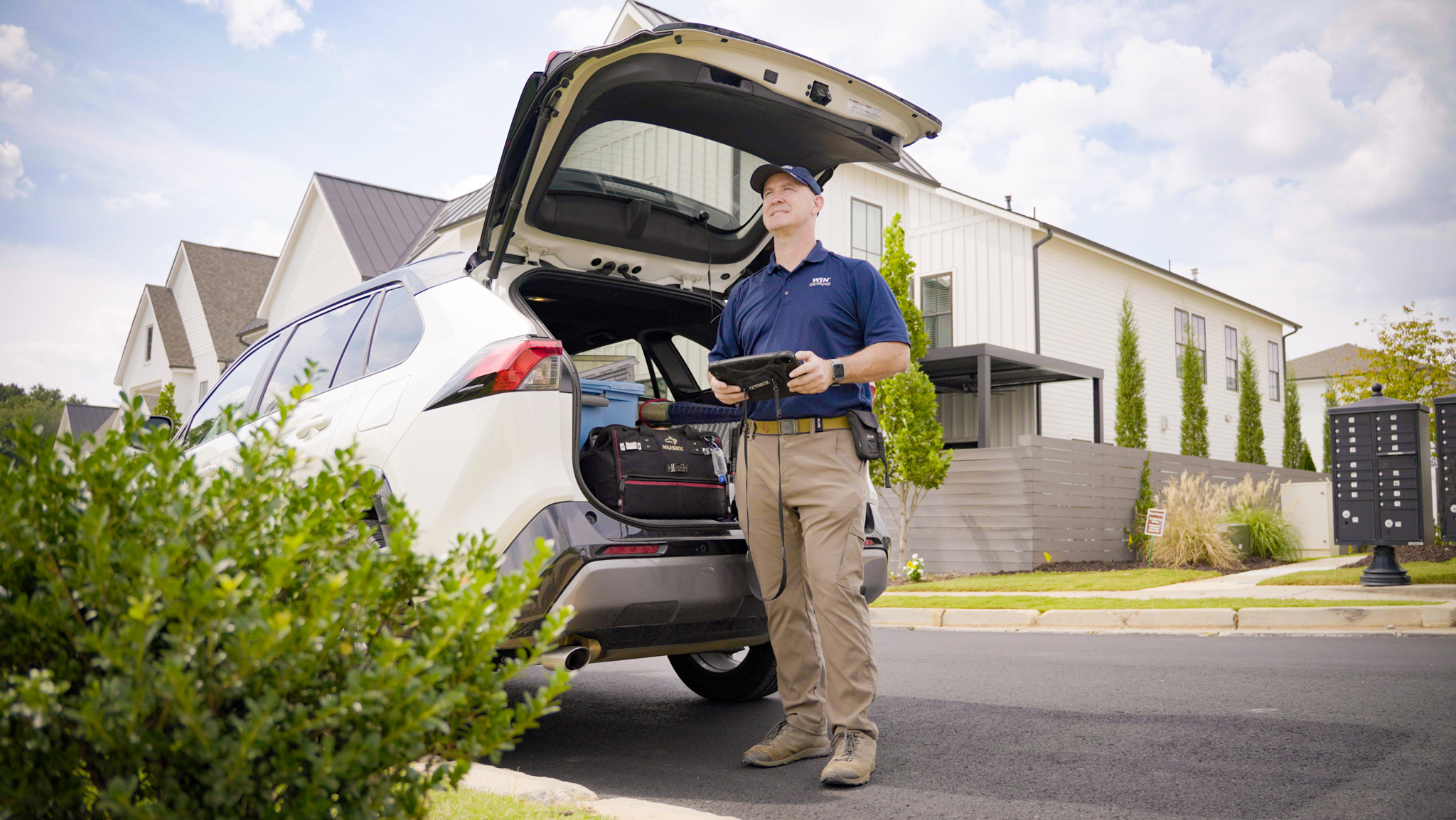
Home inspectors with the tool bag at a home

Georgia Home Inspector
Licensing Requirements

Unlike many other states, there is no state-mandated occupational license for home inspectors in Georgia. However, you must still comply with state business laws and the Georgia Home Inspection Trade Practice Act regarding how you deliver your services.

Licensing Required

No, Georgia does not issue or require a state license to perform home inspections (regulated under Georgia Trade Practice Act).

Education Hours Required

None mandated by state law.

Field Training Required

None required by state law.

Exam Required

None required by state law (passing the NHIE is recommended).


Application Fee

$0

Fingerprinting

No, fingerprinting and background checks are not required.

Continuing Education Hours

None required (no state license exists).

License Renewal Cycle

N/A (No state license exists).

THE PATH FORWARD

5 Steps to Become a Home Inspector
in Georgia

Take the first step toward becoming a home inspector in Georgia. Here’s everything you need to launch a rewarding career.

https://wini.com/franchise/wp-content/uploads/2026/08/Steps.jpg

Georgia leaves training up to you but taking a good training program is still one of the best ways to build the skills you need for quality inspections and clear reports. Look for courses that follow the Standards of Practice set by major home inspection associations. Good training teaches you the basics of electrical, plumbing, HVAC, and structural systems, so you’re ready for real jobs.

Passing the NHIE is a great way to show your skills, since Georgia takes an open approach to home inspection licensing. The exam has 200 multiple-choice questions covering property inspection, analyzing what you find, and your responsibilities as a professional. 

  • Note for Veterans: If you’re a veteran, you can get your NHIE exam costs covered through the GI Bill. Just submit VA Form 22-0803 along with your receipt to the VA. 

Since Georgia takes an open approach to home inspection licensing, many real estate professionals and clients look for inspectors who hold respected industry certifications and belong to recognized associations. Joining national groups like ASHI or InterNACHI is a smart move, and joining the Georgia Association of Home Inspectors (GAHI) is a great way to build relationships and credibility within Georgia’s home inspection community.

Protecting your business and personal assets is an important step when running any professional service in Georgia. 

  • General Liability Insurance: Covers you if you accidentally damage a property during an inspection. 
  • Errors & Omissions (E&O) Insurance: Covers you if a client says you missed a major defect. Many brokerages, relocation companies, and clients prefer working with inspectors who carry E&O insurance. 

Getting licensed is an important initial step, but building a successful home inspection business takes more than meeting state requirements. As you plan your business, you’ll need to decide whether you want to build independently or have an established support system to help you along the way. A franchise such as WIN can provide state-approved training, business guidance, marketing support, technology, and ongoing mentorship, helping you go from meeting licensing requirements to launching and growing your inspection business.

Georgia Market

Georgia Market Nuances:
The Law, Termites, and Humidity

To stand out in the Georgia market, you must understand local legal and environmental factors:

The Georgia Trade Practice Act (Title 8, Chapter 3)

This law sets basic standards for home inspection contracts and reports. It covers what your inspection should include and how you document any issues you find.


Termite and WDO Inspections

Many Georgia buyers and lenders ask for termite inspections. To issue the official state “termite letter,” you’ll need a separate license from the Georgia Department of Agriculture. You can either get that license yourself or team up with a local pest control company that already has it.

Weather and Moisture

Georgia’s humidity and heavy rainfall make moisture a common issue in homes. Knowing how to check crawlspace ventilation, spot moisture problems, and identify mold will help you succeed as an inspector here.

You Don't Have to Figure This Out Alone

Getting licensed is just the first step. WIN backs you up with a proven brand, a national footprint, and decades of real operating experience, so you can focus your energy on growing the business, not figuring it out alone.

#1 Ranked

Home Inspection Franchise
For Four Years In A Row

41,000+

Positive Google Reviews
From Happy Clients

45 States

Presence Across
The Nation

Certified. Insured. Trusted.

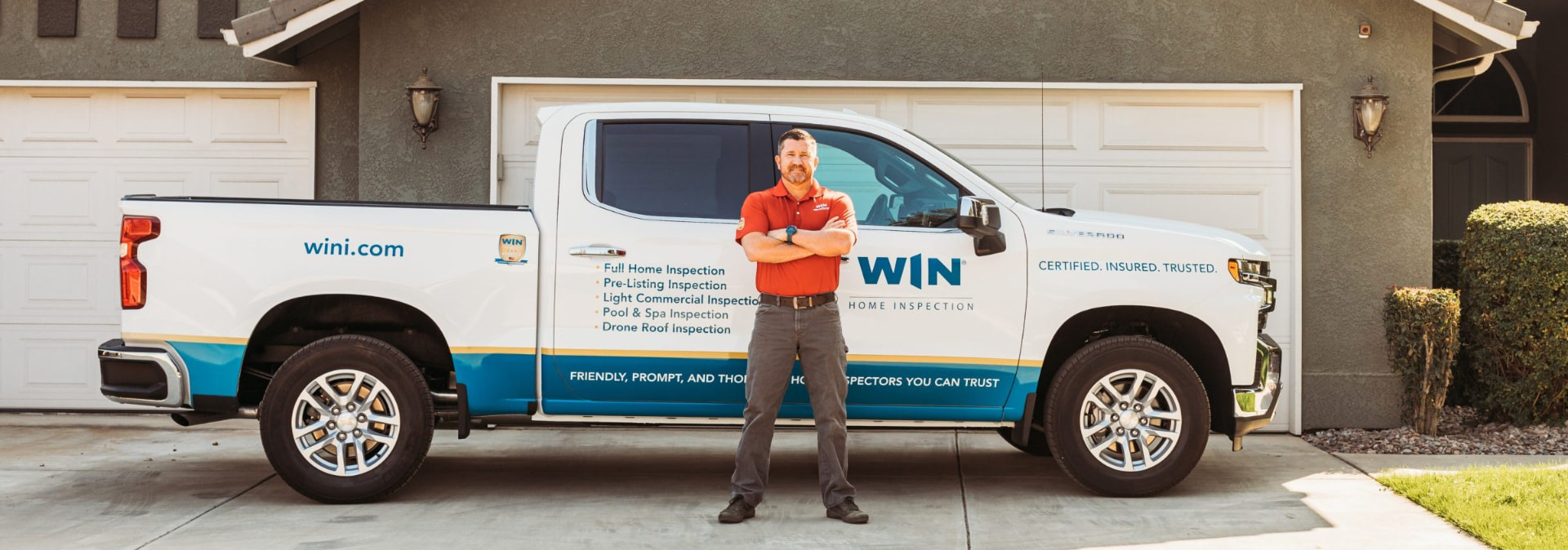
A Brand Georgia Homeowners Recognize On The Street

Every WIN franchise rolls out with the same recognizable identity, national trust, and proven playbook behind it.

WIN Home Inspection

Kickstart Your Home Inspection Business

If you’re serious about becoming a home inspector in Georgia but want to skip the trial-and-error of starting from scratch, explore becoming a franchise owner with WIN Home Inspection. WIN helps you navigate the entire Georgia path, guiding you far beyond the basics. Our in-house training program certifies you in 35+ essential services. This includes high-margin specialties like radon test, sewer scope inspections, mold & air quality test. These are highly sought-after skills in Georgia that allow you to charge more per job and significantly increase your annual earnings. This comprehensive training is included in the franchise model, so there are no outside schooling costs. We provide the end-to-end marketing, proprietary technology, and ongoing support you need to build a highly profitable, multi-stream business from day one.

In Their Own Words

Hear Directly From WIN Strategic Partners

Tim Dornford
WIN Strategic Partner | Florida
Jeff Williams
WIN Strategic Partner | Washington
Michael Strickland
WIN Strategic Partner | Georgia
Dave Fisch
WIN Strategic Partner | Arizona
Now Expanding

Ready to Own Your Territory?

See where opportunities are available today and grow with WIN’s proven systems, 35+ essential services, and dedicated support team.

Atlanta
Columbus
Augusta
Macon
Savannah
Athens
South Fulton
Sandy Springs
…and many more
Request Territory Info

Frequently Asked Questions

Home inspectors in Georgia typically earn between $50,000 and $67,000 a year, depending on experience and location. Entry-level inspectors tend to start lower, while experienced inspectors, especially those running their own business, can earn well over $100,000 a year.

To become a home inspector in Georgia, no state license is required, though solid preparation still helps. Complete a good training program, pass the National Home Inspector Examination (NHIE), and get General Liability and E&O insurance. Then register your business with the Georgia Secretary of State and consider joining groups like ASHI, InterNACHI, or GAHI to build credibility with clients.

No. Georgia takes an open approach to home inspection, so a state license isn't required to work as a home inspector. That said, most successful inspectors still complete training and earn certifications from groups like ASHI or InterNACHI to build trust with clients.

Georgia takes an open approach to home inspector licensing, but most inspectors still complete a training program, pass the National Home Inspector Examination (NHIE), and carry General Liability and E&O insurance. Registering your business with the Georgia Secretary of State and joining groups like ASHI, InterNACHI, or GAHI also helps build trust with clients.

You can complete home inspector training in Georgia through various providers, including national organizations like ASHI and InterNACHI. Look for a course that follows their Standards of Practice and covers the core home systems, including electrical, plumbing, HVAC, and structural components. WIN Home Inspection offers training that meets these standards, making it a solid option to get started.

It typically takes a few months to become a home inspector in Georgia. This includes completing a training program, passing the National Home Inspector Examination (NHIE), and setting up your business, including insurance and registration with the Georgia Secretary of State.

No exam is required by the state, since Georgia takes an open approach to home inspector licensing. That said, passing the National Home Inspector Examination (NHIE) is a great way to show clients and real estate professionals that you have the skills for the job.

Georgia takes an open approach to insurance requirements for home inspectors, but most carry General Liability insurance, which covers accidental property damage during an inspection, and Errors and Omissions (E&O) insurance, which covers claims if a client says you missed a major defect. Many brokerages and clients prefer inspectors who carry both.

Yes. Even though Georgia takes an open approach to home inspector licensing, your business itself still needs to be set up properly. You'll need to register your LLC or Corporation through the Georgia Secretary of State (Corporations Division), and depending on your location, your city or county may also require a local business or occupational tax certificate.

Yes, requirements can change over time as state laws are reviewed and updated. It's worth checking in periodically with the Georgia Secretary of State and staying connected with local associations like GAHI to keep up with anything that could affect how you operate.

Disclaimer: Requirements are set by the state regulator and are subject to change. This information is provided as a general guide and is reviewed regularly, but regulations can change at any time. WIN Home Inspection assumes no liability for any errors, omissions, or outdated details, and we recommend confirming the latest requirements directly with the relevant state agency before you apply.

Scroll to Top
BOOK A FREE
CONSULTATION
Looking for financial freedom? We can help!