



How to Become a
Home Inspector in
Delaware

Licensing Hub

Exploring a different state?

Switch states to see licensing requirements, steps, fees, and FAQs.

Getting Started

Your Path to Becoming a Home Inspector in Delaware

Delaware packs a lot of housing variety into a small footprint. You have century-old row homes in Wilmington, fast-growing subdivisions around Middletown and Smyrna, farmhouses on well and septic across Kent County, and beach properties running down the Sussex coast, all within an easy drive of one another.

Delaware does require a state license before you can inspect homes for a fee, and the path here asks more of you than it does in most states. Everything you need to know is broken down in the sections below.

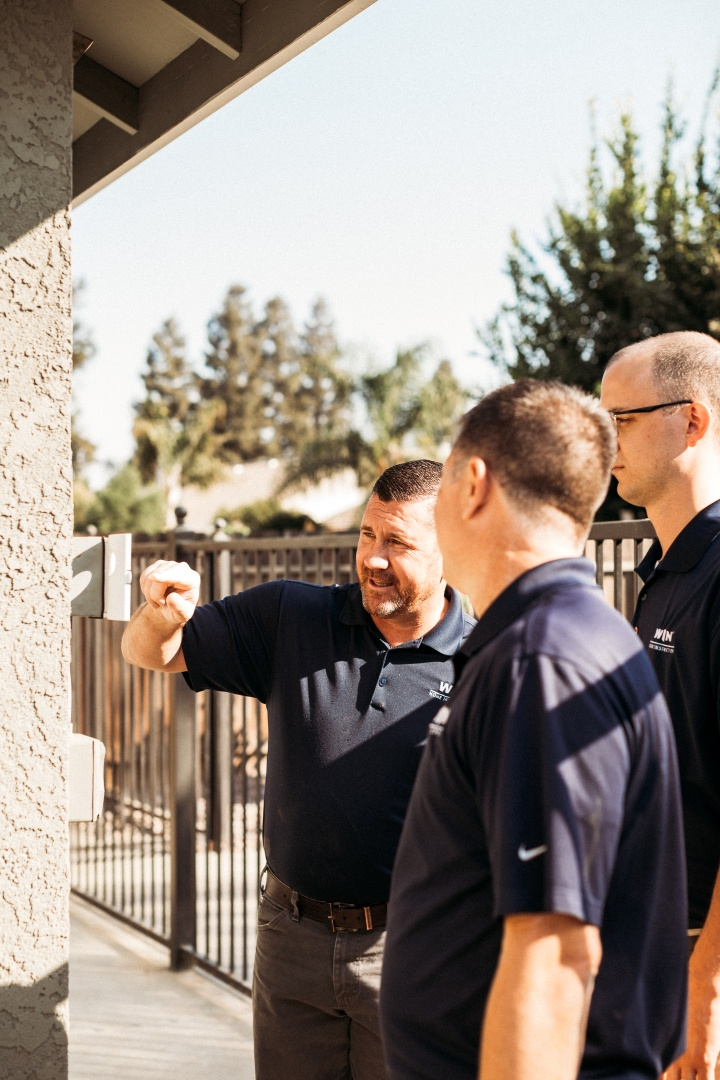
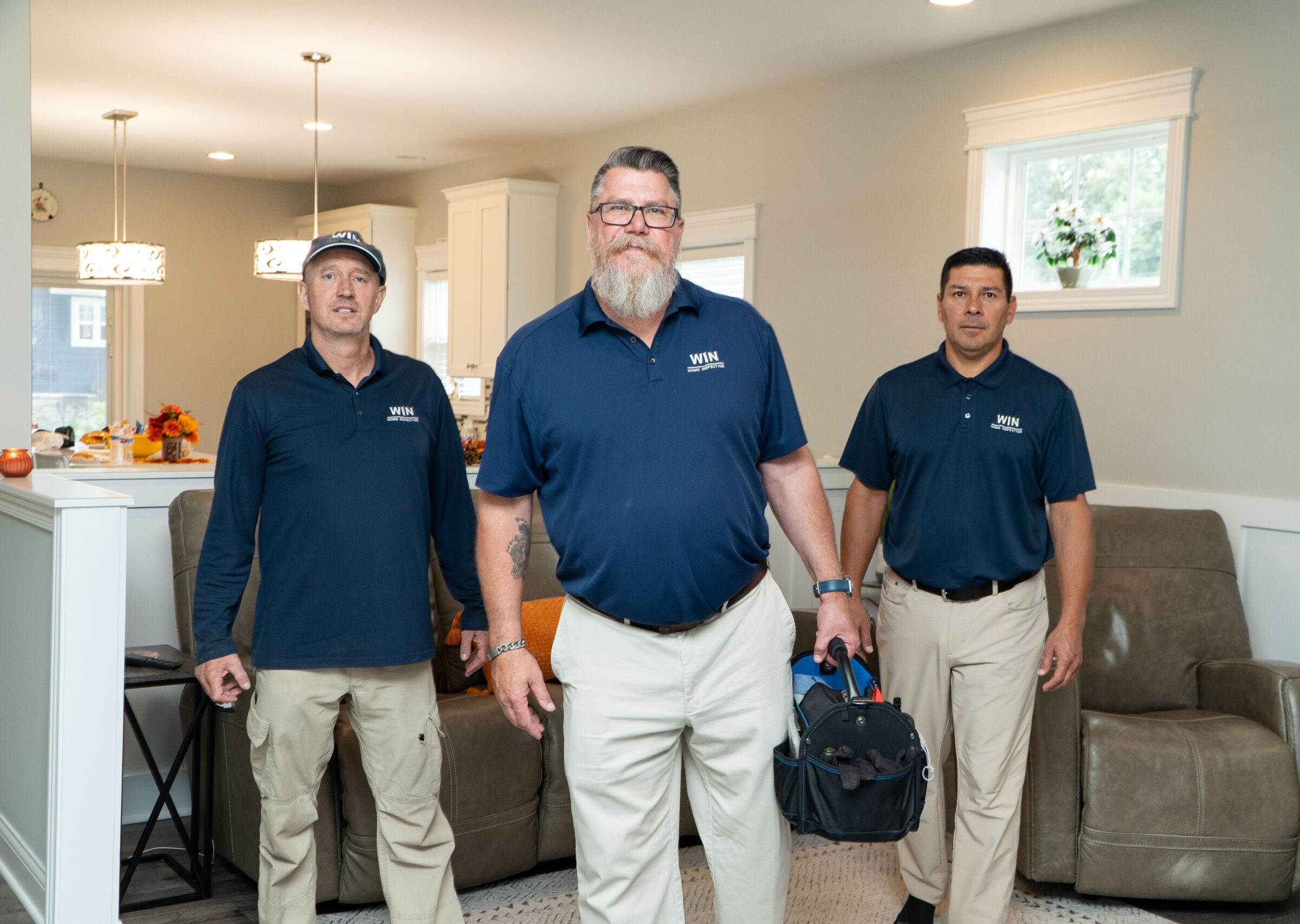
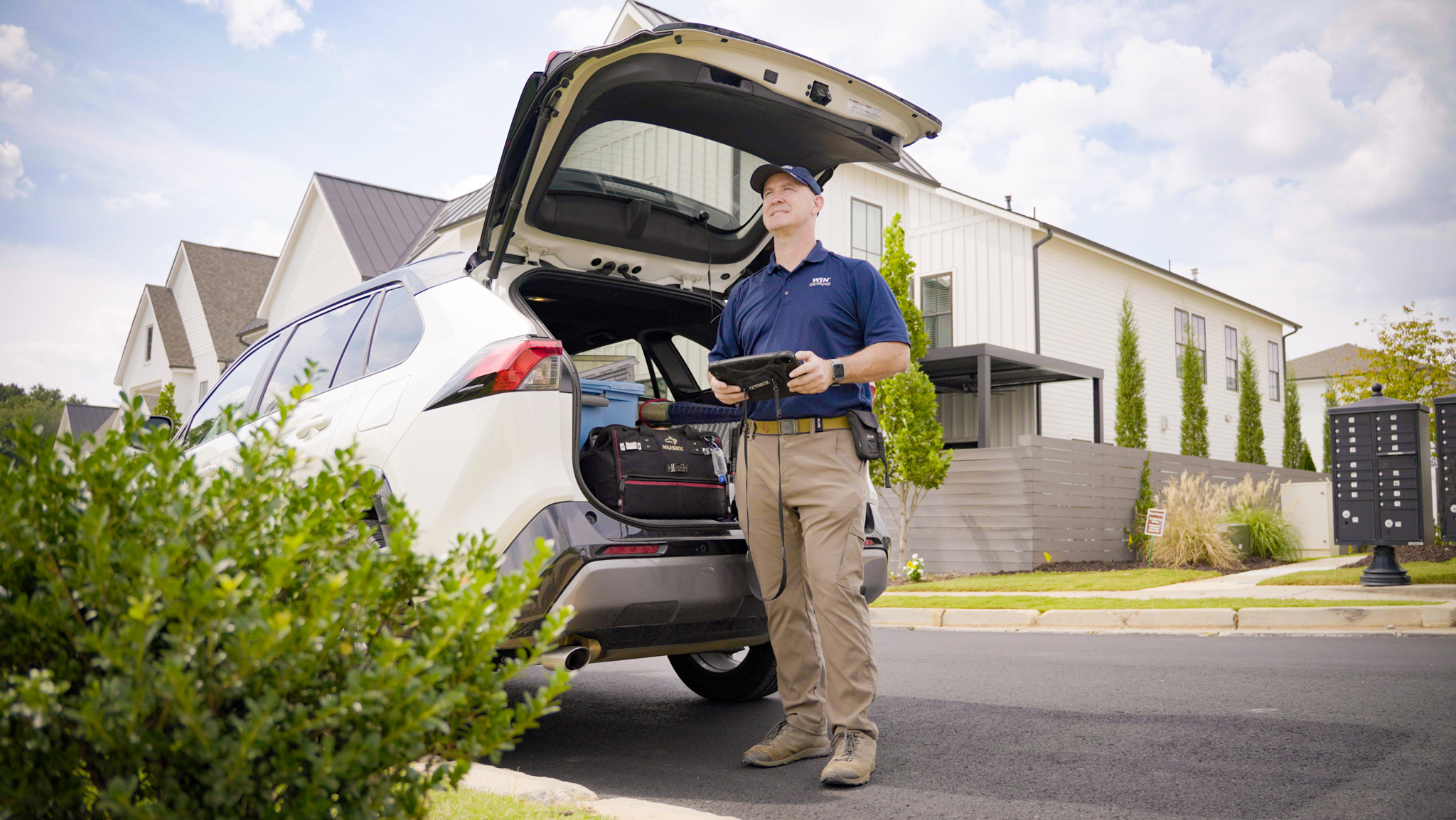
Home inspectors with the tool bag at a home

Delaware Home Inspector
Licensing Requirements

Getting licensed in Delaware means real time in the field, not just a certificate on the wall. The state wants approved training, dozens of supervised inspections, and a passing national exam score before it issues a license. Doing all of that on your own can stretch the timeline out. That’s where WIN comes in, with training, mentorship, and support that carry you from trainee registration through your first inspections. Below are the key requirements to get your Delaware home inspector license:

Licensing Required

Yes, Delaware requires a state license issued by the Board of Home Inspectors.

Education Hours Required

140 hours of classroom or online training approved by ASHI or InterNACHI.

Field Training Required

75 supervised home inspections, all completed after your trainee registration is issued.

Exam Required

The National Home Inspector Examination from the Examination Board of Professional Home Inspectors.

Application Fee

$333 for the Home Inspector license, plus $186 for the Home Inspector Trainee registration.

Fingerprinting

Not required. Home inspection is not on the Division’s list of professions that need a criminal background check.

Continuing Education Hours

40 hours of approved CE during each full two-year renewal period.

License Renewal Cycle

Every two years, with the period ending August 31 of odd-numbered years.

The Path To Licensing

6 Steps to Become a Home Inspector
in Delaware

Take the first step toward becoming a licensed home inspector in Delaware. Here’s the full sequence, in the order it actually happens.

https://wini.com/franchise/wp-content/uploads/2026/08/Steps.jpg

Delaware requires 140 hours of home inspection training approved by either the American Society of Home Inspectors or InterNACHI. Both classroom and online formats count, so you can fit the coursework around a job you haven’t quit yet.

Hold onto your completion certificates. You’ll upload copies of them later when you apply for your license, and the Board checks that the hours add up.

Before any of your field work counts, you need a trainee registration on file. Applications go through DELPROS, the state’s online licensing portal, and the fee is $186.

You’ll also need a supervising Delaware-licensed home inspector who completes a Verification of Home Inspector Trainee Supervision form and mails it directly to the Board office. If more than one inspector supervises you, each one submits a separate form. Line this up early, because finding a willing supervisor is the step that catches most people off guard.

Delaware asks for at least 75 supervised inspections, which is one of the heavier field requirements in the country. None of them count until your trainee registration has been issued, so resist the urge to start tagging along before the paperwork clears. 

You and your supervisor both keep records on the Board’s Experience Log. That log gets submitted with your license application, so treat it as a working document rather than something you reconstruct from memory at the end. 

Delaware uses the National Home Inspector Examination (NHIE), administered by the Examination Board of Professional Home Inspectors. It’s a proctored, four-hour test covering roofing, structure, electrical, plumbing, HVAC, interiors, and professional practice. 

The fee runs around $225 per attempt in most states, and there’s a 30-day wait before a retake. Your passing verification has to be sent to the Board directly from the exam service, not forwarded by you. 

Delaware won’t license you without coverage in place. You need at least $50,000 in errors and omissions insurance and at least $250,000 in general liability, and the certificate has to come to the Board straight from your carrier. 

Submit the Home Inspector application in DELPROS with the $333 fee, then attach your high school diploma, transcript or GED, your training certificates, and your completed Experience Log. Once everything lands, the Board reviews your file at its next scheduled meeting. 

Getting licensed is an important initial step, but building a successful home inspection business takes more than meeting state requirements. As you plan your business, you’ll need to decide whether you want to build independently or have an established support system to help you along the way. A franchise such as WIN can provide state-approved training, business guidance, marketing support, technology, and ongoing mentorship, helping you go from meeting licensing requirements to launching and growing your inspection business.

Delaware Market

Prepare for Delaware's Unique Market

Delaware’s housing stock changes as you drive south, and so do the questions buyers ask. A handful of add-on services come up often enough here that they’re worth planning for early.

Septic System Inspections

Delaware requires an on-site wastewater system to be inspected before the property changes hands, and that inspection has to be done by a DNREC Class H licensee. It’s a separate credential from your home inspector license, and it pays for itself quickly if you plan to work Kent or Sussex County.


Radon Testing

New Castle County carries the state’s highest radon potential, with the Middletown and Odessa areas showing the largest share of homes above the EPA action level of 4 pCi/L. Buyers in northern Delaware routinely request a test alongside the standard inspection.

Well Water Testing

A large share of rural Delaware sits outside public water service. Buyers on private wells want bacteria and nitrate results before closing, which makes water testing a natural companion to the inspection itself.

Buried Heating Oil Tanks

Oil heat dominated Delaware for decades, and plenty of those underground tanks were simply abandoned when homeowners switched to gas. Spotting the fill and vent pipes that give one away can save a buyer a five-figure cleanup, and DNREC runs a closure assistance program for eligible residential tanks.

You Don't Have to Figure This Out Alone

Getting licensed is just the first step. WIN backs you up with a proven brand, a national footprint, and decades of real operating experience, so you can focus your energy on growing the business, not figuring it out alone.

#1 Ranked

Home Inspection Franchise
For Four Years In A Row

41,000+

Positive Google Reviews
From Happy Clients

45 States

Presence Across
The Nation

Certified. Insured. Trusted.

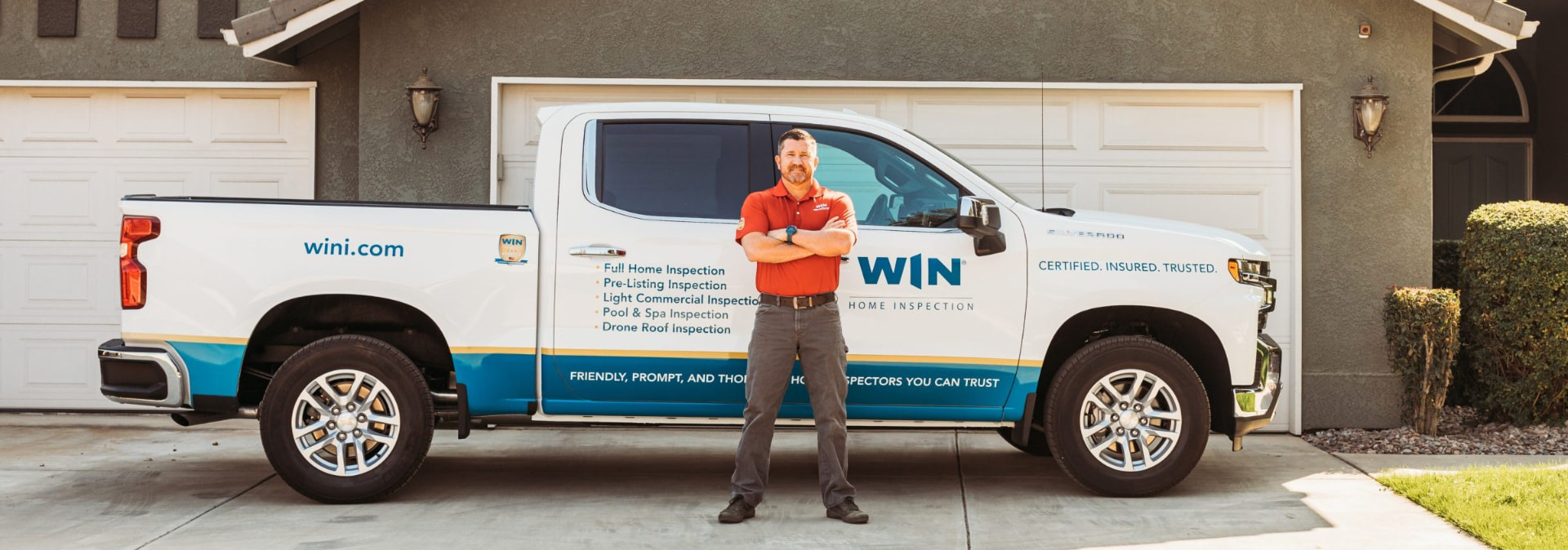
A Brand Delaware Homeowners Recognize On The Street

Every WIN franchise rolls out with the same recognizable identity, national trust, and proven playbook behind it.

WIN Home Inspection

Kickstart Your Home Inspection Business

If you’re serious about becoming a home inspector in Delaware but want to skip the trial-and-error of starting from scratch, explore becoming a franchise owner with WIN Home Inspection. WIN helps you navigate the entire Delaware path, guiding you far beyond the basics. Our in-house training program certifies you in 35+ essential services. This includes high-margin specialties like radon test, sewer scope inspections, and WDO/WDI (pest) inspections. These are highly sought-after skills in Delaware that allow you to charge more per job and significantly increase your annual earnings. This comprehensive training is included in the franchise model, so there are no outside schooling costs. We provide the end-to-end marketing, proprietary technology, and ongoing support you need to build a highly profitable, multi-stream business from day one.

In Their Own Words

Hear Directly From WIN Strategic Partners

Tim Dornford
WIN Strategic Partner | Florida
Jeff Williams
WIN Strategic Partner | Washington
Michael Strickland
WIN Strategic Partner | Georgia
Dave Fisch
WIN Strategic Partner | Arizona
Now Expanding

Ready to Own Your Territory?

See where opportunities are available today and grow with WIN’s proven systems, 35+ essential services, and dedicated support team.

Wilmington
Dover
Newark
Middletown
Smyrna
Milford
Seaford
Georgetown
…and many more
Request Territory Info

Frequently Asked Questions

In Delaware, home inspectors earn an average income of around $78,604 per year, which translates to roughly $38 per hour. Actual income may vary based on experience, location, and inspection volume.

You complete 140 hours of ASHI- or InterNACHI-approved training, register as a Home Inspector Trainee with the Board, perform 75 supervised inspections, pass the National Home Inspector Examination, and then apply for your license through DELPROS with proof of insurance and a high school diploma or GED.

Yes. Delaware licenses home inspectors under Title 24, Chapter 41 of the state code, and inspecting homes for compensation without a license or a temporary permit isn't allowed.

You'll need a high school diploma, transcript or GED, 140 hours of approved training, a trainee registration, 75 supervised inspections logged on the Board's Experience Log, a passing NHIE score, and insurance covering at least $50,000 in errors and omissions and $250,000 in general liability. The license application fee is $333.

You do if you're new to the profession and don't hold a current home inspector license somewhere else. If you're already licensed in another jurisdiction, you'd apply by endorsement instead. If you live in a state that doesn't license inspectors at all, you may qualify by experience.

Delaware requires 140 hours, and the coursework has to be approved by ASHI or InterNACHI. You'll submit copies of your training certificates with your license application.

Yes. The Board accepts both classroom and online training, as long as the provider is approved by ASHI or InterNACHI. Many candidates work through the hours online while they're arranging a supervisor.

At least 75, all performed under the supervision of a Delaware-licensed home inspector. You and your supervisor record each one on the Board's Experience Log, which you submit when you apply for licensure by examination.

Only after your trainee registration has actually been issued. Inspections performed before that date won't count toward the 75, which is why registering early matters more than it might seem.

Yes. You'll submit proof of your high school diploma, an official transcript, or a GED as part of your license application. No college degree is required.

At least $50,000 in errors and omissions insurance and at least $250,000 in liability insurance, held by you or your employer. The certificate has to be sent to the Board directly from your insurance carrier rather than uploaded by you.

State fees come to $519, covering the $186 trainee registration and the $333 license application. Add roughly $225 for the NHIE, plus your training program and insurance premiums. Timing depends almost entirely on how quickly you can log 75 supervised inspections, so most people should plan on somewhere between several months and a year from start to license in hand.

Disclaimer: Requirements are set by the state regulator and are subject to change. This information is provided as a general guide and is reviewed regularly, but regulations can change at any time. WIN Home Inspection assumes no liability for any errors, omissions, or outdated details, and we recommend confirming the latest requirements directly with the relevant state agency before you apply.

Scroll to Top
BOOK A FREE
CONSULTATION
Looking for financial freedom? We can help!