



How to Become a
Home Inspector in
West Virginia

Reviewed by Patrick Knight
Licensing Hub

Exploring a different state?

Switch states to see licensing requirements, steps, fees, and FAQs.

Getting Started

Your Path to Becoming a Home Inspector in West Virginia

West Virginia moves a lot of older homes, and buyers here need someone who can tell them what a hundred-year-old foundation or a coal-era chimney is actually doing. That’s the work of a certified home inspector, and it’s a career you can own instead of clock into. The state regulates the profession, so there is a clear path to follow before you can charge for an inspection. Here’s what the West Virginia State Fire Marshal expects, what it costs, and how long it usually takes to get started.

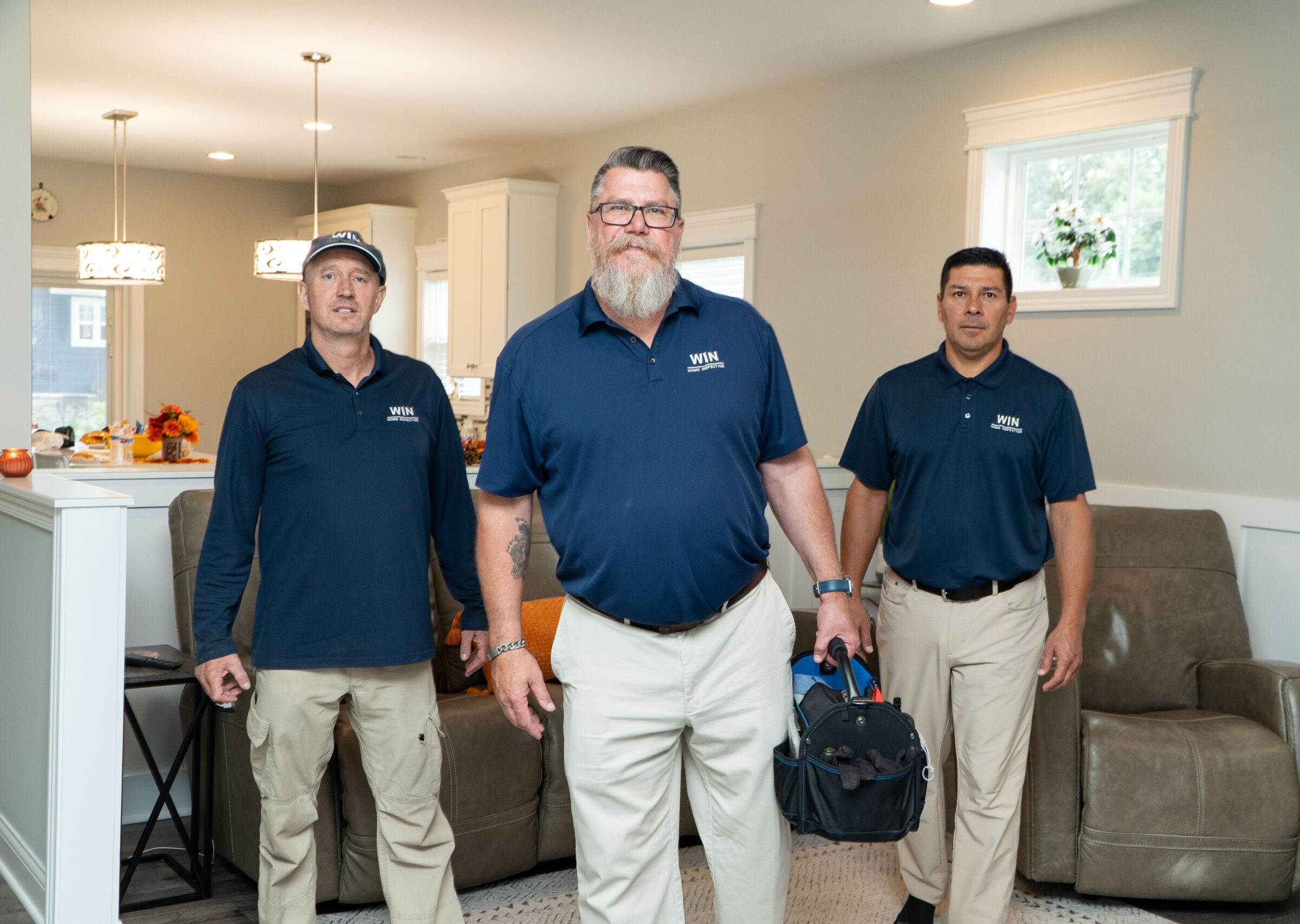
Home inspectors with the tool bag at a home

West Virginia Home Inspector
Licensing Requirements

Getting certified in West Virginia comes down to an approved 80-hour course, the national exam, liability insurance, a business registration certificate, and a background check. None of it is complicated, though the order matters and it all goes to one office. WIN Home Inspection guides new franchise owners through that sequence, including the training and business setup the state wants in place first. Below are the key requirements for your West Virginia home inspector certification:

Licensing Required

Yes. The Office of the State Fire Marshal issues a home inspector certification, and you cannot inspect for pay without one.

Education Hours Required

80 hours of instruction from a provider approved for West Virginia specifically.

Field Training Required

None mandated by the state. Ride-alongs with a working inspector are strongly recommended before your first paid job.

Exam Required

National Home Inspector Examination (NHIE), administered at PSI testing centers.

Application Fee

$150 total, made up of a $25 application fee and a $125 certification fee.

Fingerprinting

Required. Prints are reviewed by the West Virginia State Police Criminal Investigation Bureau and the FBI, at your expense.

Continuing Education Hours

16 continuing education units every year, tied to health, life safety, construction, or residential maintenance.

License Renewal Cycle

Annual. Your certification expires on the last day of your anniversary month, and renewal costs $100.

Rule update: West Virginia replaced its old home inspector rule (87 CSR 5) with Title 103, Series 7, effective May 1, 2024. The Fire Marshal now administers certification directly, and the fee schedule above reflects the current rule.

The Path To Licensing

6 Steps to Become a Home Inspector
in West Virginia

Take the first step toward becoming a licensed home inspector in West Virginia. Here’s everything you need to launch a rewarding career.

https://wini.com/franchise/wp-content/uploads/2026/08/Steps.jpg

Before anything else, you need 80 hours of instruction from a school the Fire Marshal has signed off on. There’s a note on the state’s provider list that’s easy to skim past, and it matters: the course has to be the West Virginia version, not a generic national package that happens to add up to 80 hours.

With your hours done, the next hurdle is the National Home Inspector Examination from the Examination Board of Professional Home Inspectors. Block out four hours for it. There are 200 multiple-choice questions, scoring runs from 200 to 800, and 500 gets you across the line. Each attempt costs around $225, and if the first one doesn’t go your way, you sit out 30 days and take another swing at it. 

This one catches people off guard. The Fire Marshal won’t accept your application without a copy of a valid business registration certificate from the West Virginia Tax Division, which means you’re setting up the business side before you’re even certified. It runs $30 and can take a few weeks to land in your mailbox, so send it off early instead of saving it for last. Worth checking with your city or county as well, since some want a local license of their own.

West Virginia wants proof of general liability insurance of at least $250,000, and that policy has to stay active for as long as you hold the certification. Each time you renew it, get the proof over to the Fire Marshal’s office before the old policy runs out.

Errors and omissions coverage is a different story. The rule doesn’t ask for it, but agents and brokerages usually will before they start sending clients your way, so most inspectors just buy the two together.

You’ll need fingerprints on file with the West Virginia State Police Criminal Investigation Bureau and the FBI, and you pay for both the printing and the analysis. The Fire Marshal’s office doesn’t process fingerprint cards itself, so you’ll go through a third-party vendor.

Mail the completed application to the Regulatory and Licensing Division with your course certificate, exam score, insurance declaration page, high school or GED diploma, business registration certificate, and fees. Once you’re certified, carry your certification card on inspections, put your certification number on your reports and advertising, and file a short summary of the inspections you completed with the Fire Marshal by January 31 each year.

Meeting your state’s licensing requirements is only the beginning of building a home inspection career. At this stage, you’ll need to decide whether to start independently or join an established business model. For those who prefer additional support, WIN Home Inspection offers state-specific training, business mentorship, marketing resources, technology, and ongoing guidance designed to help inspectors launch and grow their businesses.

West Virginia Market

West Virginia Market Nuances:
Radon and Construction Type

West Virginia homes are older, more rural, and built on steeper ground than most of the country, and that changes what buyers ask you for. A handful of services come up here far more often than they do in newer markets.

Radon Testing

Twenty of West Virginia’s 55 counties sit in the EPA’s highest radon zone and most of the rest are moderate, so buyers ask for the test constantly. The certification is easy to add, and it’s a second line item on a visit you’re already making.


Older Homes

The median home in the state is roughly 46 years old, and about one in seven was built before 1940. Knob-and-tube wiring, coal and wood heat, and buried fuel tanks all turn up. The state rule doesn’t require you to evaluate hazardous materials or underground tanks, so knowing exactly where your scope ends protects you as much as it helps the buyer.

Well and Septic Evaluations

On-site water supply and waste disposal sit outside the standard inspection under West Virginia’s rules. Past the city limits that describes most properties, and buyers still need someone to look, so it becomes a service you can price on its own.

Manufactured Housing

Around 14% of the state’s housing units are mobile or manufactured homes, one of the higher shares in the country. Lenders frequently want the HUD data plate, the anchoring, and the foundation checked before closing, and plenty of inspectors don’t offer it.

You Don't Have to Figure This Out Alone

Getting licensed is just the first step. WIN backs you up with a proven brand, a national footprint, and decades of real operating experience, so you can focus your energy on growing the business, not figuring it out alone.

#1 Ranked

Home Inspection Franchise
For Four Years In A Row

41,000+

Positive Google Reviews
From Happy Clients

45 States

Presence Across
The Nation

Certified. Insured. Trusted.

A Brand West Virginia Homeowners Recognize On The Street

Every WIN franchise rolls out with the same recognizable identity, national trust, and proven playbook behind it.

WIN Home Inspection

Kickstart Your Home Inspection Business

If you’re serious about becoming a home inspector in West Virginia but want to skip the trial-and-error of starting from scratch, explore becoming a franchise owner with WIN Home Inspection. WIN helps you navigate the entire West Virginia path, guiding you far beyond the basics. Our in-house training program certifies you in 35+ essential services. This includes high-margin specialties like radon testing, well water quality testing, sewer scope inspections. These are highly sought-after skills in West Virginia that allow you to charge more per job and significantly increase your annual earnings. This comprehensive training is included in the franchise model, so there are no outside schooling costs. We provide the end-to-end marketing, proprietary technology, and ongoing support you need to build a highly profitable, multi-stream business from day one.

In Their Own Words

Hear Directly From WIN Strategic Partners

Tim Dornford
WIN Strategic Partner | Florida
Jeff Williams
WIN Strategic Partner | Washington
Michael Strickland
WIN Strategic Partner | Georgia
Dave Fisch
WIN Strategic Partner | Arizona
Now Expanding

Ready to Own Your Territory?

See where opportunities are available today and grow with WIN’s proven systems, 35+ essential services, and dedicated support team.

Charleston
Huntington
Morgantown
Parkersburg
Wheeling
Martinsburg
Weirton
Fairmont
…and many more
Request Territory Info

Frequently Asked Questions

The average income for home inspectors in West Virginia is around $47,000 per year, or approximately $23 per hour. High earners can make up to $69,000 annually, while those starting out may earn around $22,500.

You complete an 80-hour course approved for West Virginia, pass the National Home Inspector Examination, register your business with the state Tax Division, carry at least $250,000 in general liability insurance, and clear a fingerprint background check. All of it goes to the State Fire Marshal with your application, and once that's approved you can start charging for inspections.

West Virginia calls it a certification rather than a license, and it comes from the Office of the State Fire Marshal. You can't perform, offer, or advertise home inspections for compensation without one. The rule applies to every inspector working under a company name, not just the person who owns the company.

A high school diploma or its equivalent, 80 hours of approved instruction, a passing NHIE score, general liability insurance of at least $250,000, a valid West Virginia business registration certificate, and fingerprints on file with the State Police and FBI. There's no apprenticeship or prior experience requirement, so someone changing careers can qualify from a standing start.

80 hours, and the course has to be approved by the State Fire Marshal for West Virginia specifically. Some people knock it out in about two weeks of full-time study, while others spread it across a month or two around an existing job.

The Fire Marshal publishes a list of approved providers that includes West Virginia based schools like the Home Inspector Training Institute in St. Albans and DHI in Morgantown, along with national providers such as AHIT, ICA, InterNACHI, PHII, and The HomeSpection Training Institute. Check that list before you pay for anything, since the state expects the West Virginia version of the course.

The National Home Inspector Examination, or a comparable exam the State Fire Marshal designates. It's four hours long, has 200 multiple-choice questions, and is scored from 200 to 800 with 500 as the passing mark. The fee is usually $225, and there's a 30-day wait before a retake.

Yes. You submit fingerprints for examination by the West Virginia State Police Criminal Investigation Bureau and the FBI, and the cost of the printing and analysis is yours to cover. If the Fire Marshal fingerprinted you within the previous 36 months, that office can accept the earlier prints instead of requiring new ones.

General liability coverage of at least $250,000, kept active for as long as you hold the certification. You send proof of renewal to the Fire Marshal before the policy expires, and it has to cover the full certification period. Errors and omissions insurance isn't required by the state, but most brokerages will want to see it before referring clients.

Yes, and this is the step people underestimate. Your application must include a copy of a valid West Virginia business registration certificate issued by the Tax Division. It's $30, approval can take a few weeks, and your city or county may require a separate local license.

State fees are the small part: $25 for the application, $125 for the certification, and $30 for your business registration certificate. The exam runs about $225 and fingerprinting adds roughly $50. Training is the real variable, generally $500 to $1,500, and liability insurance tends to land between $400 and $1,000 a year, so most people spend somewhere in the $1,200 to $2,500 range before their first paid job.

Two to four months is realistic. The 80 hours of coursework can be finished quickly, but scheduling the exam, waiting on your business registration certificate, and letting the fingerprint check clear are what stretch out the calendar.

Every year. Your certification expires on the last day of the month it was issued in, so a certification issued August 15 expires August 31 the following year and each year after that. Renewal costs $100, and a late renewal adds $50 for every year you're behind.

16 continuing education units annually, all related to health, life safety, construction, or the maintenance of residential properties. A unit counts as one hour for every 50 minutes of instruction. The Fire Marshal approves the courses and keeps a provider list, online CE is accepted, and you submit your proof at renewal.

Disclaimer: Requirements are set by the state regulator and are subject to change. This information is provided as a general guide and is reviewed regularly, but regulations can change at any time. WIN Home Inspection assumes no liability for any errors, omissions, or outdated details, and we recommend confirming the latest requirements directly with the relevant state agency before you apply.

Scroll to Top
BOOK A FREE
CONSULTATION
Looking for financial freedom? We can help!