




How to Become a
Home Inspector in
Hawaii

Reviewed by Patrick Knight
Licensing Hub

Exploring a different state?

Switch states to see licensing requirements, steps, fees, and FAQs.

Getting Started

Your Path to Becoming a Home Inspector in Hawaii

Hawaii is an interesting place to build an inspection business. Home values are among the highest in the country, buyers are often purchasing from thousands of miles away, and the houses themselves are built in ways you won’t find anywhere on the mainland.

Hawaii doesn’t license home inspectors, so there’s no board and no state exam standing between you and your first job. What you do need is training, a credential clients recognize, and a properly set up business. The sections below cover all of it, along with the costs and what island homes will throw at you.

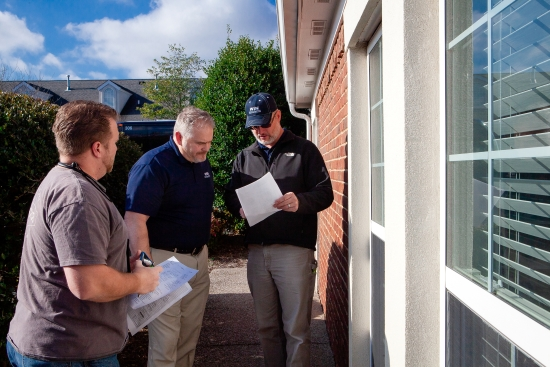
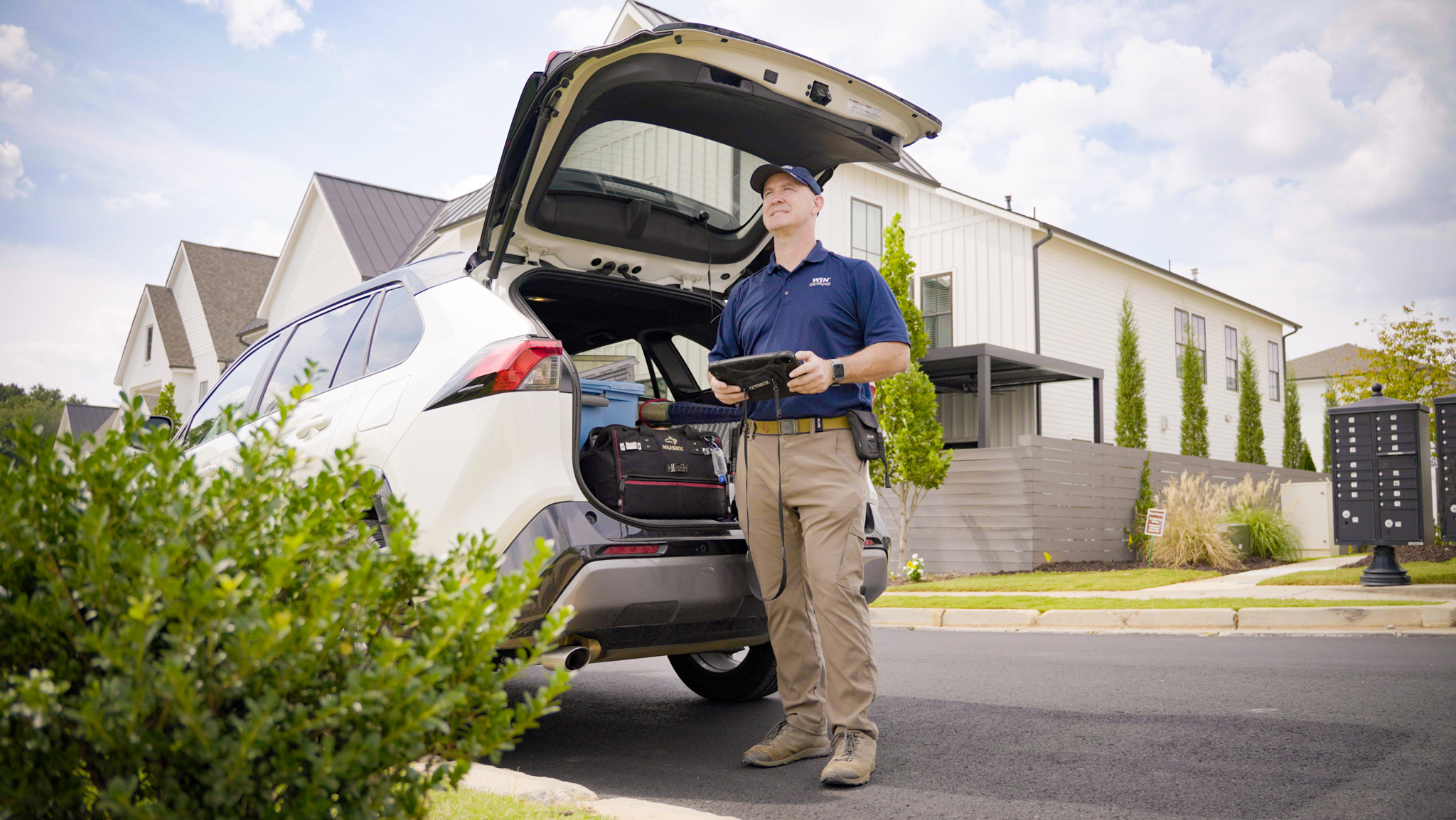
Home inspectors with the tool bag at a home

Hawaii Home Inspector
Licensing Requirements

The state looked at regulating this trade and decided against it. A 2019 State Auditor report found there wasn’t enough evidence of harm to justify a licensing program, and a bill to create a home inspector board died the year before. So the bar is set by clients and agents instead of by law, and that’s where WIN comes in, with training, certifications, and business systems arriving together. Below are the key requirements to become a home inspector in Hawaii:

Licensing Required

No license or registration exists for home inspectors.

Education Hours Required

None required by state law.

Field Training Required

None mandated by state law.

Exam Required

No state exam, and no national exam either.

Application Fee

There’s no license fee, though a general excise tax license costs $20 one time.

Fingerprinting

Not required by the state.

Continuing Education Hours

None from the state.

License Renewal Cycle

Nothing to renew, since there’s no license.

The Path Forward

5 Steps to Become a Home Inspector in Hawaii

Take the first step toward becoming a certified home inspector in Hawaii. Here’s everything you need to launch a rewarding career.

https://wini.com/franchise/wp-content/uploads/2026/08/Steps.jpg

Complete a training program built on a recognized set of inspection standards, because that becomes the rulebook you work from and agents will assume you’re using one. Hawaii construction deserves extra study on top of that. Single-wall homes, post-and-pier foundations, spalling concrete in older buildings, and solar water heaters all show up constantly here and get maybe a paragraph in most national courses.

With no license number for anyone to look up, your certification is what tells a buyer you’re qualified. InterNACHI and ASHI are the two names people recognize, and both require training and a code of ethics you agree to follow.

The National Home Inspector Examination isn’t required here either. Passing it still gives you something concrete to point at, especially when you’re new, and it counts toward licensing if you ever move to a state that regulates the trade.

Hawaii requires no coverage at all, and skipping it would still be a bad move. General liability handles damage or injury while you’re on a property. Errors and omissions handles a client claiming you missed something, which is where nearly every complaint against an inspector begins.

Most brokerages want to see both before they refer anyone, so treat the premiums as part of your startup costs rather than something to add later.

Meeting your state’s licensing requirements is only the beginning of building a home inspection career. At this stage, you’ll need to decide whether to start independently or join an established business model. For those who prefer additional support, WIN Home Inspection offers state-specific training, business mentorship, marketing resources, technology, and ongoing guidance designed to help inspectors launch and grow their businesses.

Here’s the part people from the mainland get wrong. Hawaii has no sales tax, but it does have the general excise tax, and it applies to services including yours. Almost every business here needs a GET license, which means filing Form BB-1 through Hawaii Tax Online and paying a one-time $20 fee.

The combined rate runs 4.5 percent on gross receipts in all four counties, so build it into your pricing from the first invoice rather than absorbing it. If you’re forming an LLC or using a trade name, those get registered separately with DCCA’s Business Registration Division.

Hawaii Market

Prepare for Hawaii's
Unique Market

Salt air, heavy rain, volcanic soil, and termites do things to houses that no national course prepares you for. Two subjects deserve serious attention in Hawaii.

Termites and Older Construction

Formosan termites are widespread across the islands and they work fast. Pair that with single-wall construction and post-and-pier foundations, and knowing where to look under a house matters enormously here.


Cesspools and Wastewater

Hawaii law requires every cesspool in the state to be converted or upgraded by 2050, and tens of thousands are still in use. Buyers want to know what they’re inheriting, and inspectors who understand the rules are worth calling.

You Don't Have to Figure This Out Alone

Getting licensed is just the first step. WIN backs you up with a proven brand, a national footprint, and decades of real operating experience, so you can focus your energy on growing the business, not figuring it out alone.

#1 Ranked

Home Inspection Franchise
For Four Years In A Row

41,000+

Positive Google Reviews
From Happy Clients

45 States

Presence Across
The Nation

Certified. Insured. Trusted.

A Brand Hawaii Homeowners Recognize On The Street

Every WIN franchise rolls out with the same recognizable identity, national trust, and proven playbook behind it.

WIN Home Inspection

Kickstart Your Home Inspection Business

If you’re serious about becoming a home inspector in Hawaii but want to skip the trial-and-error of starting from scratch, explore becoming a franchise owner with WIN Home Inspection. WIN helps you navigate the entire Hawaii path, guiding you far beyond the basics. Our in-house training program certifies you in 35+ essential services. This includes high-margin specialties like infrared thermal imaging, sewer scope inspections, pool and spa inspections. These are highly sought-after skills in Hawaii that allow you to charge more per job and significantly increase your annual earnings. This comprehensive training is included in the franchise model, so there are no outside schooling costs. We provide the end-to-end marketing, proprietary technology, and ongoing support you need to build a highly profitable, multi-stream business from day one.

In Their Own Words

Hear Directly From WIN Strategic Partners

Tim Dornford
WIN Strategic Partner | Florida
Jeff Williams
WIN Strategic Partner | Washington
Michael Strickland
WIN Strategic Partner | Georgia
Dave Fisch
WIN Strategic Partner | Arizona
Now Expanding

Ready to Own Your Territory?

See where opportunities are available today and grow with WIN’s proven systems, 35+ essential services, and dedicated support team.

Honolulu
East Honolulu
Pearl City
Hilo
Waipahu
Kailua
Kaneohe
Kahului
…and many more
Request Territory Info

Frequently Asked Questions

Hawaii home inspectors earn an average annual salary of $58,000 or $28 per hour. Top earners make up to $93,000, while entry-level salaries start at $30,500.

Hawaii does not require home inspectors to hold a state license or pass a state exam. However, proper training and experience are key to building a successful inspection career. WIN Home Inspection provides training across 35+ inspection services, along with mentorship, technology, and marketing support to help you start and grow your inspection business.

No, and it surprises people moving here from regulated states. Anyone can legally perform home inspections for pay in Hawaii. Related work is different, and termite reports in particular require a pest control license through the Department of Agriculture.

From the state, there are none. No education, no exam, no experience, no insurance. What you actually need comes from the market instead, meaning good training, a recognized certification, insurance, and a registered business with a GET license.

Not by law, though going without it makes for a rough start. Insurance carriers ask about your training before quoting a policy, agents ask before referring clients, and certification organizations won't accept you without coursework. The market ends up requiring what the state doesn't.

Yes, and it matters more here than it would somewhere with licensing. A certification is the only third-party verification a Hawaii buyer can check. It also comes with standards of practice and a code of ethics, which gives you a defined scope to work within and to point to if a client later disputes what you covered.

InterNACHI and ASHI are the two national organizations clients and agents recognize. Both require training, adherence to published standards, and continuing education to stay in good standing. Whichever you choose, name that standard in your inspection agreement and your reports so clients know exactly what was inspected.

General liability and errors and omissions, even though neither is required. General liability covers property damage and injury on the job, while errors and omissions covers a claim that you missed a defect. Most real estate offices ask for proof of both before referring clients.

There's no license fee, so your costs are training, certification dues, insurance, and business setup. The GET license is a one-time $20, an LLC filing runs about $51, and a trade name registration is $50. Most people spend somewhere between $2,000 and $4,000 all in, with training and insurance making up nearly all of that.

Faster than almost anywhere. There's no waiting period, no supervised inspections to log, and no application to be approved. Realistically it comes down to how long your training takes, so a few weeks to a couple of months depending on the program and whether you're doing it around another job.

Yes, and there's no license to transfer or reciprocity to apply for. Bring your certification and insurance and you can work. You will need a Hawaii general excise tax license and, if you're using a business name, registration with DCCA. Learning local construction before you take paid work is the real barrier, not paperwork.

Start with the GET license, since it applies to service businesses and the tax comes out of your fees. Register your LLC or trade name with DCCA's Business Registration Division. If you ever hire someone working 20 hours a week or more, Hawaii's Prepaid Health Care Act requires employers to cover at least half their health insurance premium, which is a rule found in no other state and worth knowing before you grow.

Disclaimer: Requirements are set by the state regulator and are subject to change. This information is provided as a general guide and is reviewed regularly, but regulations can change at any time. WIN Home Inspection assumes no liability for any errors, omissions, or outdated details, and we recommend confirming the latest requirements directly with the relevant state agency before you apply.

Scroll to Top
BOOK A FREE
CONSULTATION
Looking for financial freedom? We can help!