




How to Become a
Home Inspector in
Indiana

Licensing Hub

Exploring a different state?

Switch states to see licensing requirements, steps, fees, and FAQs.

Getting Started

Your Path to Becoming a Home Inspector in Indiana

Becoming a home inspector in Indiana can be a great career move, especially with the state’s active real estate market. It’s hands-on work, checking roofs, wiring, plumbing, and foundations to help buyers know what they’re getting into. With demand for qualified inspectors on the rise, now is a great time to get started. To ensure your success and stay compliant with state laws, here is everything you need to know about how to become a home inspector in Indiana. 

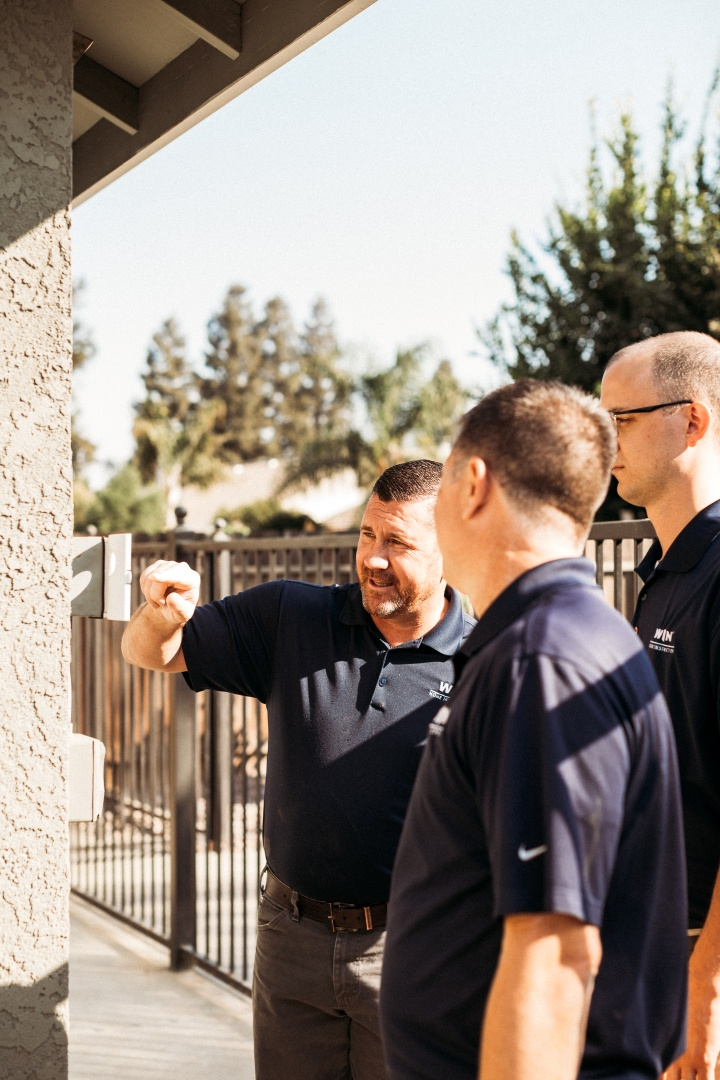
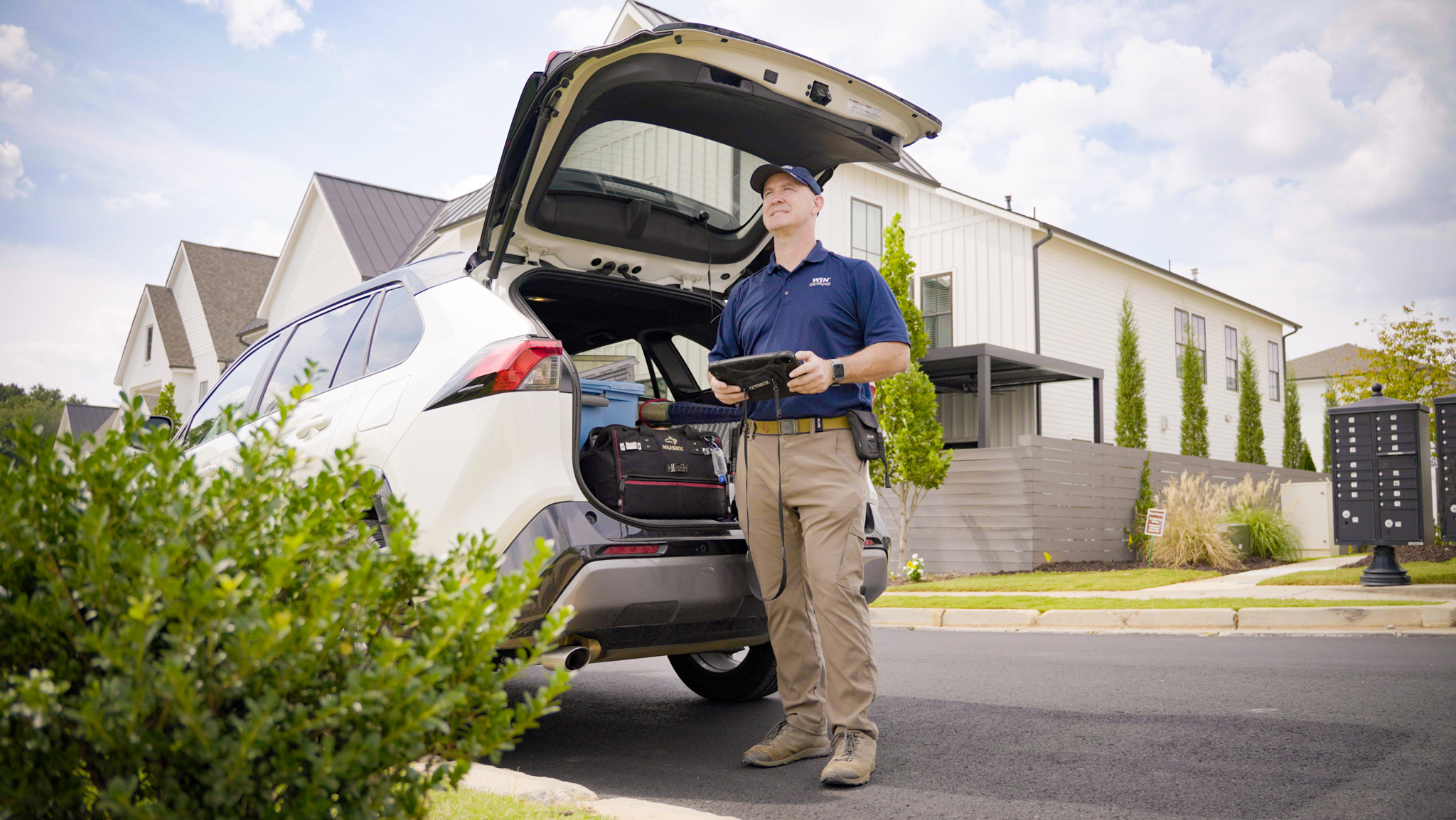
Home inspectors with the tool bag at a home

Indiana Home Inspector
Licensing Requirements

Home inspectors in Indiana are licensed and regulated by the Indiana Home Inspectors Licensing Board through the Indiana Professional Licensing Agency (PLA). To obtain your license, you must meet specific state requirements:

Licensing Required

Yes, a license is required to perform home inspections in Indiana.

Education Hours Required

60 Hours of board-approved pre-licensing education.

Field Training Required

12 Hours of practical experience (included as part of the 60-hour requirement).

Exam Required

National Home Inspector Examination (NHIE).

Application Fee

$50 non-refundable application fee.

Fingerprinting

No, fingerprinting and background checks are not required.

Continuing Education Hours

32 hours every 2 years.

License Renewal Cycle

License must be renewed every 2 years (expires October 1 of odd-numbered years).

The Path To Licensing

5 Steps to Become a Home Inspector in Indiana

Take the first step toward becoming a licensed home inspector in Indiana. Here’s everything you need to launch a rewarding career.

https://wini.com/franchise/wp-content/uploads/2026/08/Steps.jpg

Indiana law requires you to complete a 60-hour training program approved by the state before you can get licensed. This includes at least 40 hours of classroom instruction and 12 hours of hands-on practice. You can complete the hands-on part through real on-site inspections or in an approved lab setting where you learn to spot defects, either in person or through visual examples. The training covers the basics you’ll use on every job, including structural components, electrical systems, plumbing, HVAC, roofing, and Indiana’s official Standards of Practice.

After finishing your training, you’ll need to pass the National Home Inspector Examination (NHIE). This is a 200-question test given under supervision, and it checks how well you know the technical and professional sides of the job.

Before you can get your license, you’ll need General Liability Insurance with at least $100,000 in coverage. You’ll submit proof of this along with your application, using the format the Board asks for. The Board should be listed as a certificate holder, and the state as additional insured. The law doesn’t require Errors and Omissions (E&O) insurance, but it’s still a good idea to carry it along with General Liability. Together, they protect your business and match what most clients expect.

Submit your completed online application to the Indiana Professional Licensing Agency (PLA) along with your $50 nonrefundable fee, proof of high school completion, 60-hour training certificate, official NHIE score report, and certificate of insurance.

Getting licensed is an important first step, but building a successful home inspection business takes more than meeting state requirements. As you plan your business, you’ll need to decide whether you want to build independently or have an established support system to help you along the way. A franchise such as WIN can provide state-approved training, business guidance, marketing support, technology, and ongoing mentorship, helping you go from meeting licensing requirements to launching and growing your inspection business.

Indiana Market

Indiana Market Nuances:
Environmental and Construction Factors

To run a successful home inspection business in Indiana, you’ll need to understand the state’s weather, soil, and housing types:

Freezing Weather and Heavy Snow

Northern Indiana gets heavy lake-effect snow, while Central and Southern Indiana see freeze-thaw cycles that can shift and crack foundations. Because of this, checking roofs, drainage, and foundation walls closely is important.


High Radon Levels

Soil in Central and Northern Indiana often has high radon gas levels. Offering radon testing as an extra service can bring in good income for inspectors.

Termite Inspections (OISC Category 7b)

A regular home inspection doesn’t cover termite damage. To perform official termite inspections, you need a Category 7b license from the Office of Indiana State Chemist (OISC).

Older Homes

Cities like Indianapolis, Fort Wayne, and Evansville have many older homes with outdated systems, like old wiring, metal pipes, and cast-iron drain lines. Knowing how to inspect these systems is a valuable skill.

You Don't Have to Figure This Out Alone

Getting licensed is just the first step. WIN backs you up with a proven brand, a national footprint, and decades of real operating experience, so you can focus your energy on growing the business, not figuring it out alone.

#1 Ranked

Home Inspection Franchise
For Four Years In A Row

41,000+

Positive Google Reviews
From Happy Clients

45 States

Presence Across
The Nation

Certified. Insured. Trusted.

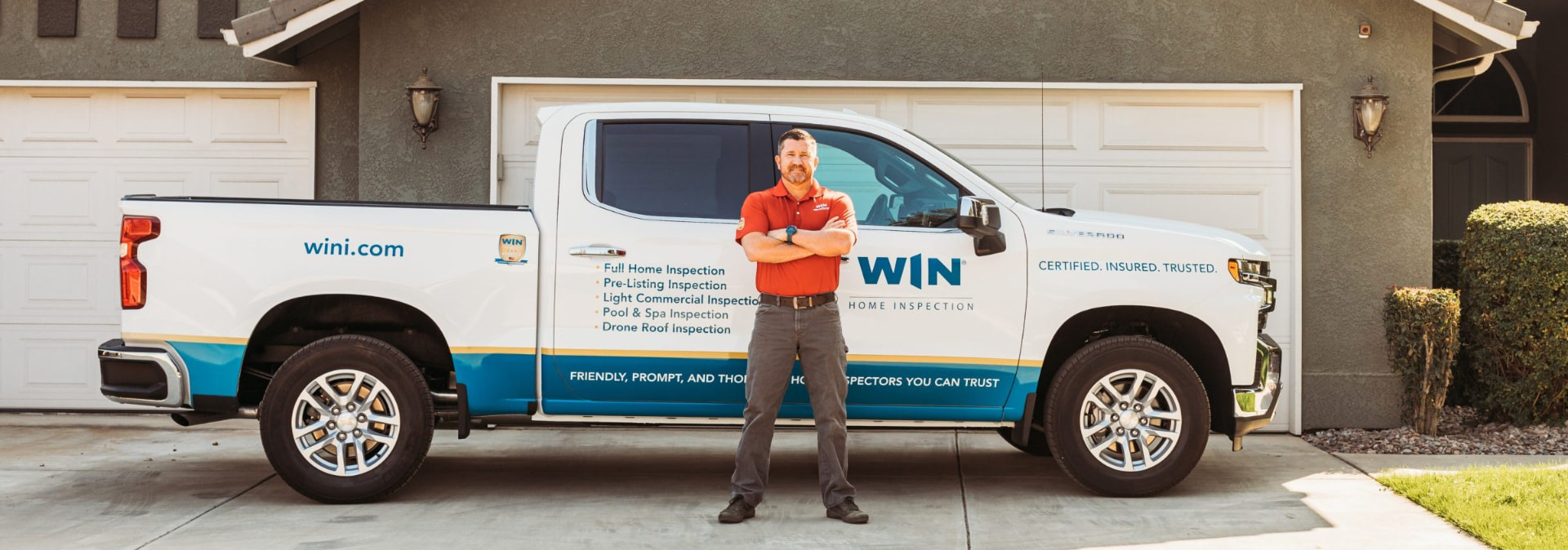
A Brand Indiana Homeowners Recognize On The Street

Every WIN franchise rolls out with the same recognizable identity, national trust, and proven playbook behind it.

WIN Home Inspection

Kickstart Your Home Inspection Business

If you’re serious about becoming a home inspector in Indiana but want to skip the trial-and-error of starting from scratch, explore becoming a franchise owner with WIN Home Inspection. WIN helps you navigate the entire Indiana path, guiding you far beyond the basics. Our in-house training program certifies you in 35+ essential services. This includes high-margin specialties like radon testing, sewer scope inspections, mold assessment & air quality testing. These are highly sought-after skills in Indiana allowing you to charge more per job and significantly increase your annual earnings. This comprehensive training is included in the franchise model, so there are no outside schooling costs. We provide the end-to-end marketing, proprietary technology, and ongoing support you need to build a highly profitable, multi-stream business from day one.

In Their Own Words

Hear Directly From WIN Strategic Partners

Tim Dornford
WIN Strategic Partner | Florida
Jeff Williams
WIN Strategic Partner | Washington
Michael Strickland
WIN Strategic Partner | Georgia
Dave Fisch
WIN Strategic Partner | Arizona
Now Expanding

Ready to Own Your Territory?

See where opportunities are available today and grow with WIN’s proven systems, 35+ essential services, and dedicated support team.

Indianapolis
Fort Wayne
Evansville
Fishers
South Bend
Carmel
Bloomington
Hammond
…and many more
Request Territory Info

Frequently Asked Questions

Home inspectors in Indiana can expect to earn an average salary of around $57,500 per year, with a range between $28,000 and $85,000 annually.

To become a home inspector in Indiana, complete a 60-hour approved training course, finish 12 hours of field training, and pass the National Home Inspector Exam. You'll also need liability insurance and a $50 application fee. WIN Home Inspection offers unmatched franchise support that helps you complete all these steps easily.

Yes, Indiana requires home inspectors to be licensed through the Indiana Professional Licensing Agency. You need approved training, field hours, a passing exam score, and insurance.

Indiana requires 60 hours of approved pre-licensing training, 12 hours of field training, and a passing score on the National Home Inspector Exam. You'll also need general liability insurance of at least $100,000 and a $50 application fee.

Yes, Indiana requires a high school diploma or GED to become a licensed home inspector. You must also be at least 18 years old. Applicants also need a clean record, free of certain criminal convictions. These basics come before the training and exam requirements.

You can complete Indiana's 60-hour board-approved training through providers like InterNACHI, AHIT, ATI, and PHII, all approved by the Indiana Professional Licensing Agency. Alternatively, you can partner with a trusted franchise like WIN Home Inspection, which provides all the required training, business mentorship, marketing support, and much more.

Indiana requires you to pass the National Home Inspector Examination (NHIE) to become licensed. The exam includes 200 multiple-choice questions covering key inspection domains. You'll need to submit your official score report with your license application.

Indiana requires home inspectors to carry general liability insurance with at least $100,000 in coverage. The policy must come from an insurer authorized to do business in Indiana. You'll need to submit a certificate of insurance with your license application. Keeping this coverage active is necessary to maintain your license.

Becoming a home inspector in Indiana typically costs $1,000 to $2,000, covering the 60-hour course, exam fee, insurance, and the $50 application fee. Course prices vary depending on the provider and format you choose. General liability insurance usually adds a small monthly cost on top of licensing fees.

Becoming a licensed home inspector in Indiana typically takes 2 to 6 months, covering the 60-hour course, 12 hours of field training, and the National Home Inspector Exam.

Indiana home inspector licenses expire on October 1st every two years, on odd-numbered years. You'll need to complete continuing education before each renewal. Missing the deadline can affect your ability to practice without interruption.

Indiana home inspectors need 32 hours of continuing education every two years to renew their license. If you've held your license less than 24 months, the requirement drops to 16 hours, and less than 12 months requires none. At least 75% of these hours must come from Category I courses. Up to half the total requirement can be completed through distance learning.

Disclaimer: Requirements are set by the state regulator and are subject to change. This information is provided as a general guide and is reviewed regularly, but regulations can change at any time. WIN Home Inspection assumes no liability for any errors, omissions, or outdated details, and we recommend confirming the latest requirements directly with the relevant state agency before you apply.

Scroll to Top
BOOK A FREE
CONSULTATION
Looking for financial freedom? We can help!