




How to Become a
Home Inspector in
New Hampshire

Licensing Hub

Exploring a different state?

Switch states to see licensing requirements, steps, fees, and FAQs.

Getting Started

Your Path to Becoming a Home Inspector in New Hampshire

New Hampshire packs a lot of housing into a small state, from colonial farmhouses in the Monadnock region to new construction going up around Manchester and Nashua. Homes here change hands year-round, and buyers want someone who can tell them exactly what they’re walking into.

Before you can do that work, the state requires a home inspector license issued by the New Hampshire Board of Home Inspectors. The sections below cover what the state asks for, what the process actually looks like, and where to start.

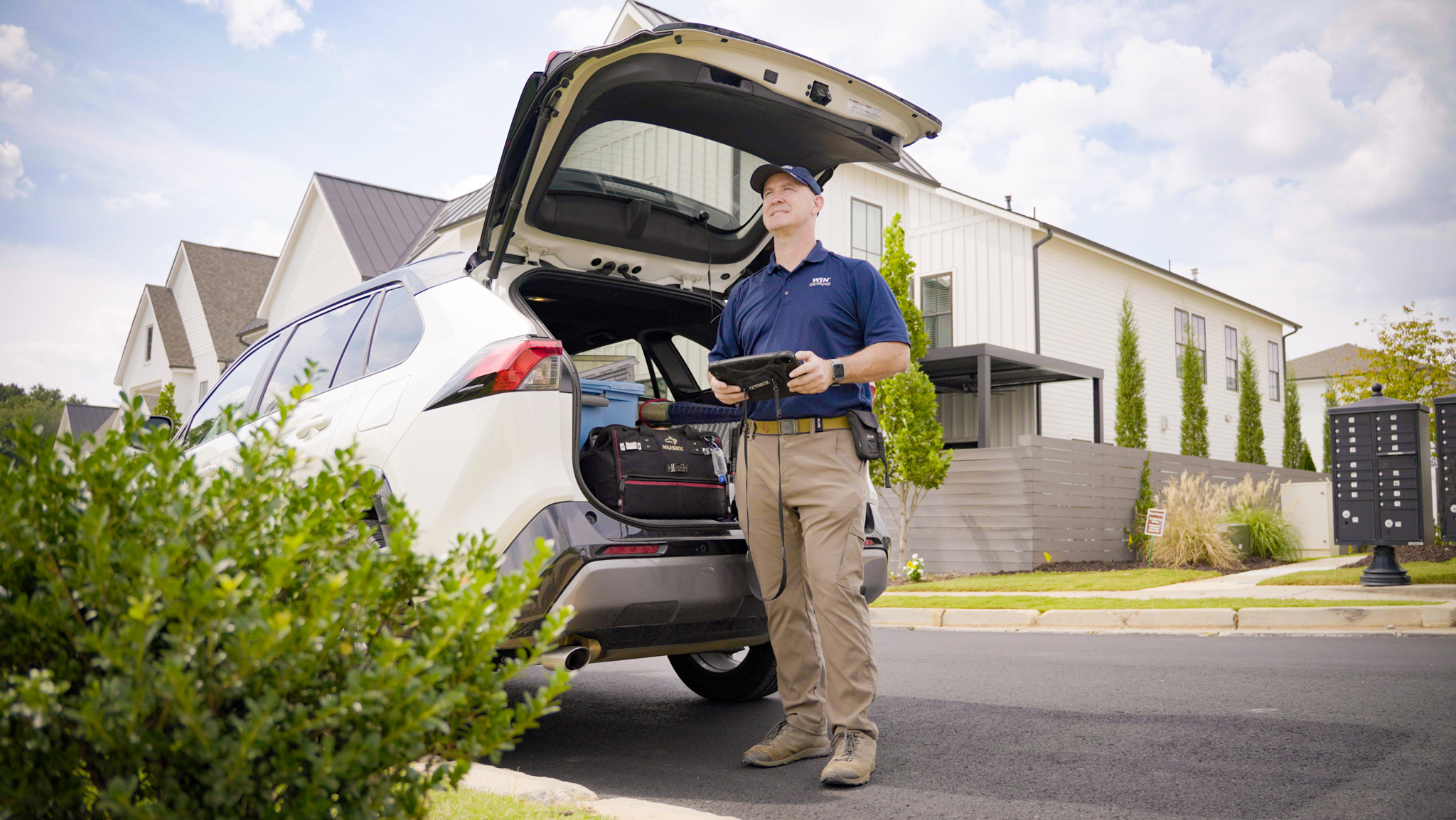
Home inspectors with the tool bag at a home

New Hampshire Home Inspector
Licensing Requirements

Getting licensed in New Hampshire comes down to four things: approved coursework, the national exam, a criminal record check, and proof that you carry liability insurance. None of it is complicated, though the order matters, since the state wants your passing exam score in hand before you apply. That’s where WIN comes in, guiding you through the education and licensing steps while you get your business ready to open. Here’s what New Hampshire requires:

Licensing Required

Yes, a license from the New Hampshire Board of Home Inspectors is required.

Education Hours Required

80 hours of board-approved pre-licensing education.

Field Training Required

None mandated by state law.

Exam Required

National Home Inspector Examination (NHIE). There is no separate state exam.

Application Fee

$200, non-refundable, payable to Treasurer, State of New Hampshire.

Fingerprinting

A criminal record check through the New Hampshire Division of State Police is required, currently $25.

Continuing Education Hours

20 hours during each two-year renewal period.

License Renewal Cycle

Every two years from the date your license was issued.

The Path To Licensing

6 Steps to Become a Home Inspector
in New Hampshire

New Hampshire runs its licensing through the Office of Professional Licensure and Certification in Concord, and the board reviews complete applications only. Follow these steps in order and you won’t have to send anything twice.

https://wini.com/franchise/wp-content/uploads/2026/08/Steps.jpg

You need to be at least 18 years old and hold a high school diploma or equivalent before you start. From there, the state requires 80 hours of pre-licensing education from a provider the Board of Home Inspectors has approved.

The curriculum must cover nine core areas: heating systems, cooling systems, plumbing, electrical, structural components, foundations, roof coverings, exterior and interior components, and site aspects as they affect the building. Courses also cover New Hampshire’s own statute and administrative rules, which separates a board-approved program from a generic national course. Distance learning counts toward the 80 hours, and approved providers are listed through CE Broker.

New Hampshire accepts one exam, the National Home Inspector Examination (NHIE), created and graded by the Examination Board of Professional Home Inspectors. It’s a computer-based test of 200 multiple-choice questions with a four-hour limit, and each attempt runs about $225. 

Take note of the timing here, because it trips people up. Your passing score has to be submitted with your license application, so you sit the exam before you apply rather than after. Working through practice questions first is worth the effort if you’d rather not pay for a second attempt. 

The board requires a criminal record report from the New Hampshire Division of State Police, requested using the state’s Criminal Record Release Authorization form. The fee is $25 and it’s paid separately from your application fee.

Requests can be made through the State Police criminal records portal, and turnaround varies, so start this early rather than saving it for last.

New Hampshire won’t license you without proof of liability coverage. Your certificate needs to show the insurance company’s name and address, the certificate holder, the category and amount of coverage, and the policy’s cancellation terms.

The board doesn’t set a minimum dollar figure, which surprises people coming from other states. That doesn’t mean you should carry the bare minimum. Most real estate brokerages in New Hampshire expect inspectors to hold errors and omissions coverage alongside general liability before they’ll refer clients, so it makes sense to bundle both when you set up your business.

Once the coursework, exam, background check, and insurance are all squared away, you can file your Application for Licensure as a Home Inspector with the Office of Professional Licensure and Certification. The fee is $200 and it isn’t refundable, so check the packet twice before it goes out.

Along with the form, you’ll submit your education certificates, your NHIE results, your insurance certificate, and a listing of any home inspector license you’ve held in another state. Applications can be paid by check, money order, or credit card, and OPLC has been moving its licensing onto a new online system, so it’s worth confirming the current submission method on the board’s page before you send anything.

One last detail that catches new inspectors off guard: after your license is issued, New Hampshire requires you to obtain a seal or rubber stamp bearing your name and license number, then submit it to the board for approval.

Getting licensed is an important initial step, but building a successful home inspection business takes more than meeting state requirements. As you plan your business, you’ll need to decide whether you want to build independently or have an established support system to help you along the way. A franchise such as WIN can provide state-approved training, business guidance, marketing support, technology, and ongoing mentorship, helping you go from meeting licensing requirements to launching and growing your inspection business.

New Hampshire Market

Prepare for New Hampshire's
Unique Market

New Hampshire law requires sellers to give buyers a signed notice covering radon, arsenic, lead, PFAS, and flood risk before any purchase and sale contract. That notice sends buyers looking for answers, so seek additional certifications for:

Radon Testing

NHDES estimates that about half of the state’s bedrock wells carry radon at levels of concern, and the notice buyers sign points them toward a professional certified in radon testing. Environmental hazards fall outside New Hampshire’s required inspection scope, which is what makes radon a separate paid service.


Well Water and Septic Evaluations

Nearly half of New Hampshire residents draw their water from a private well, and roughly 30 percent of bedrock wells exceed the state’s arsenic limit. The standards of practice don’t require you to inspect wells or private waste disposal systems, so water sampling and septic evaluations become add-ons buyers are already primed to request.

You Don't Have to Figure This Out Alone

Getting licensed is just the first step. WIN backs you up with a proven brand, a national footprint, and decades of real operating experience, so you can focus your energy on growing the business, not figuring it out alone.

#1 Ranked

Home Inspection Franchise
For Four Years In A Row

41,000+

Positive Google Reviews
From Happy Clients

45 States

Presence Across
The Nation

Certified. Insured. Trusted.

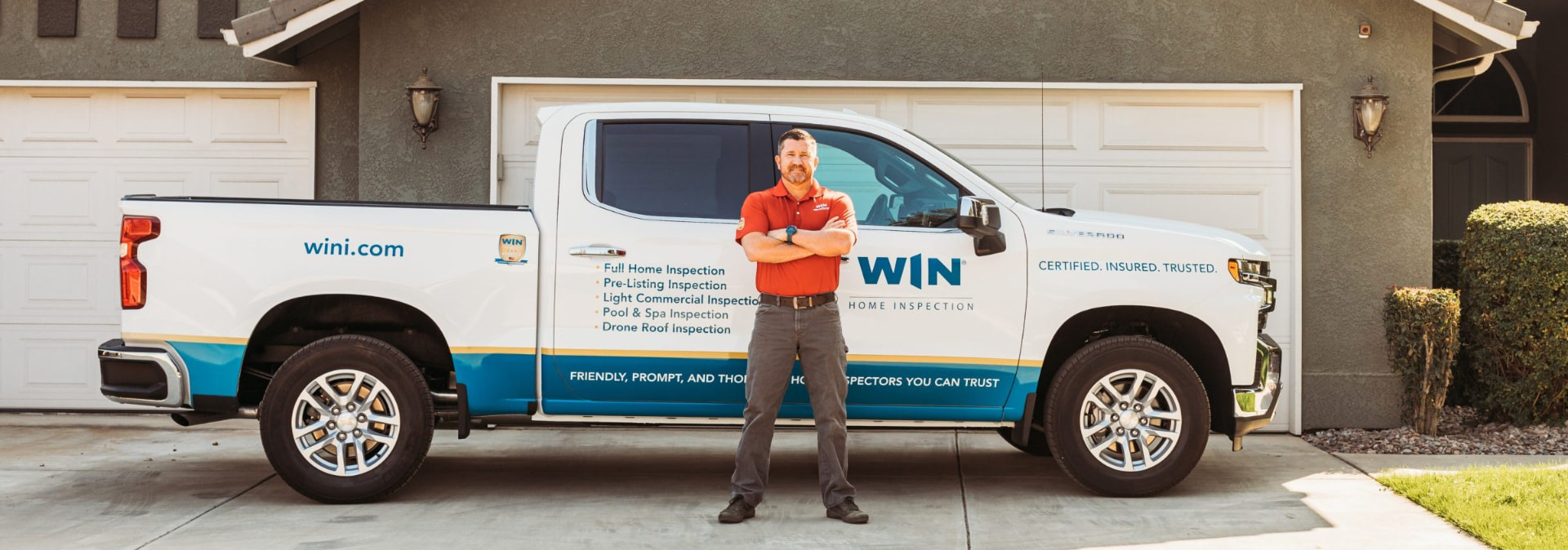
A Brand New Hampshire Homeowners Recognize On The Street

Every WIN franchise rolls out with the same recognizable identity, national trust, and proven playbook behind it.

WIN Home Inspection

Kickstart Your Home Inspection Business

If you’re serious about becoming a home inspector in New Hampshire but want to skip the trial-and-error of starting from scratch, explore becoming a franchise owner with WIN Home Inspection. WIN helps you navigate the entire New Hampshire path, guiding you far beyond the basics. Our in-house training program certifies you in 35+ essential services. This includes high-margin specialties like radon testing, septic inspections, water quality and well-water testing. These are highly sought-after skills in New Hampshire that allow you to charge more per job and significantly increase your annual earnings. This comprehensive training is included in the franchise model, so there are no outside schooling costs. We provide the end-to-end marketing, proprietary technology, and ongoing support you need to build a highly profitable, multi-stream business from day one.

In Their Own Words

Hear Directly From WIN Strategic Partners

Tim Dornford
WIN Strategic Partner | Florida
Jeff Williams
WIN Strategic Partner | Washington
Michael Strickland
WIN Strategic Partner | Georgia
Dave Fisch
WIN Strategic Partner | Arizona
Now Expanding

Ready to Own Your Territory?

See where opportunities are available today and grow with WIN’s proven systems, 35+ essential services, and dedicated support team.

Manchester
Nashua
Concord
Dover
Derry
Rochester
Salem
Merrimack
…and many more
Request Territory Info

Frequently Asked Questions

The average salary for home inspectors in New Hampshire is about $60,000 per year, or $29 per hour. Some inspectors can make as much as $87,000 annually, while others earn around $28,500 per year.

Complete 80 hours of board-approved pre-licensing education, pass the National Home Inspector Examination, request a criminal record check from the New Hampshire Division of State Police, and obtain proof of liability insurance. Then submit your application and the $200 fee to the Board of Home Inspectors through the Office of Professional Licensure and Certification.

Yes. Performing home inspections in New Hampshire without a license issued by the Board of Home Inspectors isn't permitted, and the state's standards of practice apply to every inspection, whether or not it's tied to a real estate transaction.

You must be at least 18, hold a high school diploma or the equivalent, finish 80 hours of board-approved education, pass the NHIE, clear a criminal record check, carry liability insurance, and pay the $200 application fee. The board also weighs professional character based on your application answers and your record report.

The state requires 80 hours of board-approved pre-licensing education covering heating, cooling, plumbing, electrical, structural components, foundations, roof coverings, exterior and interior components, and site conditions. After licensure, you'll need 20 continuing education hours during every two-year renewal period.

The National Home Inspector Examination is the only exam New Hampshire accepts. It has 200 multiple-choice questions, a four-hour limit, and is delivered at approved computer testing centers. New Hampshire doesn't add a separate state exam on top of it.

Yes. Applicants submit a Criminal Record Release Authorization form so the board receives a criminal record report from the New Hampshire Division of State Police. The current fee is $25 and it's paid separately from the license application fee.

The board requires proof of liability coverage listing your insurer, the certificate holder, the category and amount of coverage, and the cancellation policy. No minimum dollar amount is set in the rules, but errors and omissions coverage is commonly expected by real estate brokerages before they refer clients to an inspector.

The application fee is $200 and it isn't refundable. Budget for the criminal record check at $25 and the NHIE at roughly $225 per attempt as well. An optional wall display certificate costs $50, and the biennial renewal fee is also $200.

Most people get there in two to four months. The 80 hours of coursework can be finished in a few weeks if you study full time, and the rest of the timeline depends on how quickly you schedule the NHIE and how long your record check and board review take.

Every two years, measured from the date your license was issued. Renewal requires 20 hours of board-approved continuing education, current proof of insurance, and the $200 fee. Late renewals carry a penalty of 20 percent per month, so it pays to track your expiration date.

Disclaimer: Requirements are set by the state regulator and are subject to change. This information is provided as a general guide and is reviewed regularly, but regulations can change at any time. WIN Home Inspection assumes no liability for any errors, omissions, or outdated details, and we recommend confirming the latest requirements directly with the relevant state agency before you apply.

Scroll to Top
BOOK A FREE
CONSULTATION
Looking for financial freedom? We can help!