



How to Become a
Home Inspector in
Vermont

Licensing Hub

Exploring a different state?

Switch states to see licensing requirements, steps, fees, and FAQs.

Getting Started

Your Path to Becoming a Home Inspector in Vermont

Vermont’s housing has a lot of character, and that’s exactly why buyers here get nervous. A farmhouse in the Northeast Kingdom and a condo near the Burlington waterfront raise completely different questions, and somebody has to answer them before the closing date. That somebody is a licensed inspector. Vermont calls the credential a property inspector license, and you’ll need one before you can charge a client for an inspection. Here’s how the whole process works, start to finish.

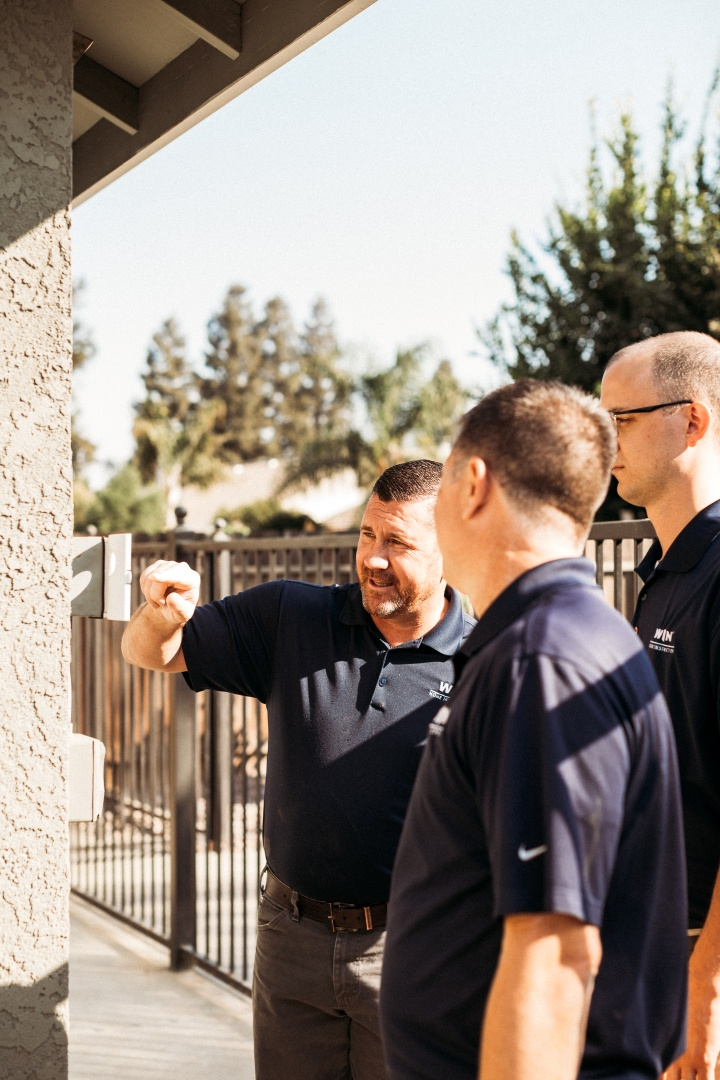
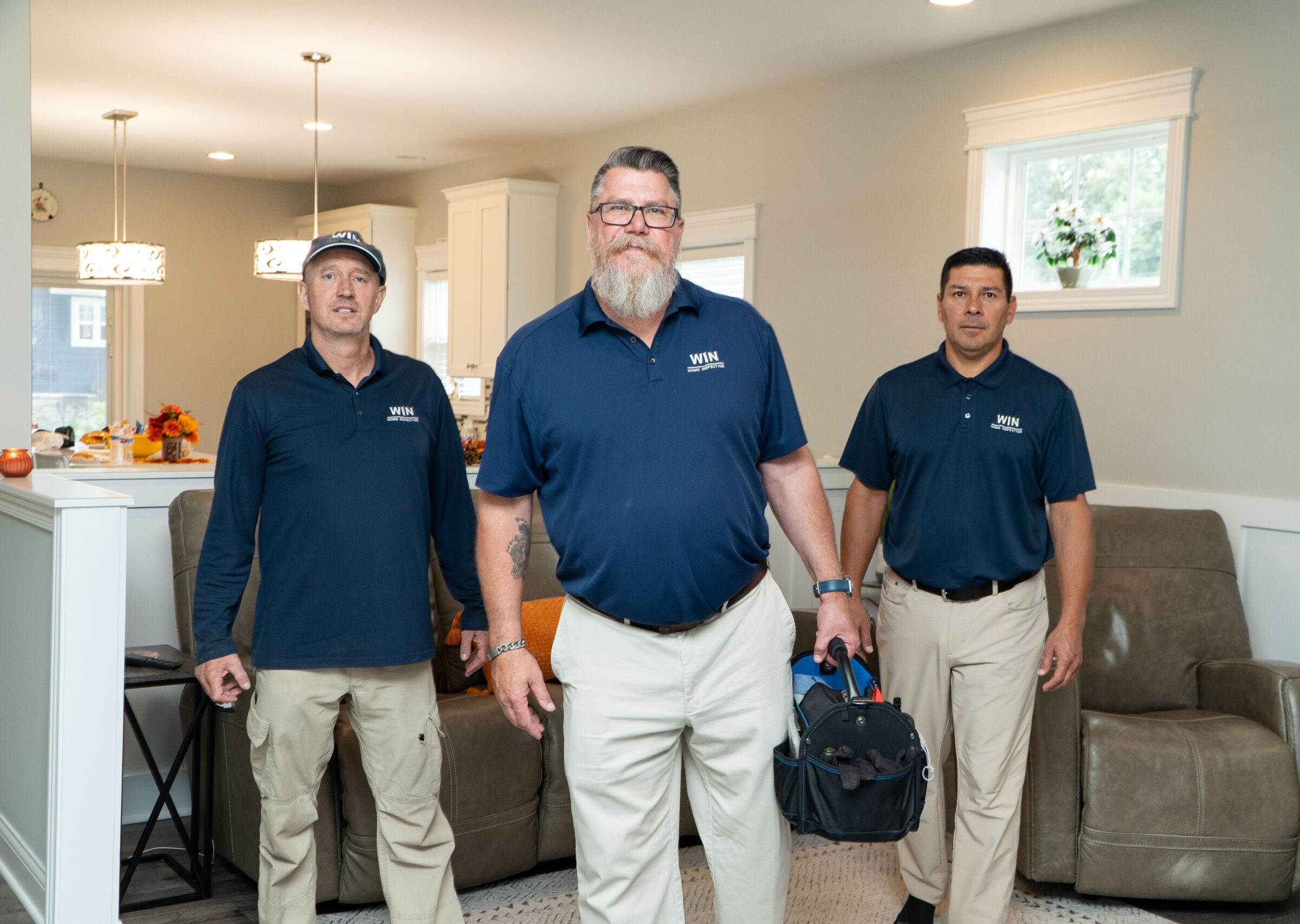
Home inspectors with the tool bag at a home

Vermont Home Inspector
Licensing Requirements

Vermont’s requirements are refreshingly short compared to most states. You’ll finish an approved course, pass a national exam, and file an application with the Office of Professional Regulation. That’s where WIN comes in. WIN walks you through the licensing steps and then hands you the training, technology, and business support that turn a license into an actual business. Here’s what the state asks for.

Licensing Required

Yes. Vermont requires a property inspector license issued by the Office of Professional Regulation.

Education Hours Required

80 hours of coursework from a provider approved by the Director of OPR.

Field Training Required

None mandated by state law.

Exam Required

The National Home Inspector Examination, administered by PSI.

Application Fee

$115, non-refundable.

Fingerprinting

Not required for a Vermont property inspector license.

Continuing Education Hours

No set hour requirement. A short energy goals module is required at licensure and at every renewal.

License Renewal Cycle

Every two years, expiring June 30 of odd-numbered years. The renewal fee is $275.

The Path To Licensing

6 Steps to Become a Home Inspector
in Vermont

Take the first step toward becoming a licensed home inspector in Vermont. Here’s everything you need to launch a rewarding career.

https://wini.com/franchise/wp-content/uploads/2026/08/Steps.jpg

Vermont sets the entry bar at two things: you’re 18 or older, and you finished high school or an equivalent. That’s the whole list. No college degree, no construction résumé, and no apprenticeship under another inspector. Some of the best inspectors in the state came up through the trades, and plenty of others came from teaching, retail, or the military.

Your 80 hours have to come from a provider on the Director’s approved list, and the coursework has to hit nine core systems: heating, cooling, plumbing, electrical, structural components, foundations, roof coverings, exterior and interior components, and site conditions that affect the building. 

Confirm a school carries Vermont approval before you hand over a credit card. Hours from an unapproved provider won’t count, and that mistake costs weeks. 

Vermont uses the National Home Inspector Examination (NHIE), and you register and schedule straight through PSI. Passing means clearing both parts of the exam. 

A couple of rules catch people out. Your score stays good for one year, so don’t finish the test and then sit on your application for eighteen months. And if you fail three times in a row, you’re locked out of retesting until you show the Director you’ve completed additional core education. 

Here’s the requirement almost nobody warns you about. State law asks property inspectors, along with engineers, architects, and a handful of other professions, to complete a short module on Vermont’s energy goals. It runs two hours at most, and you do it once when you’re licensed and again at every renewal. Most people knock it out inside the online system while they’re already there, so treat it as a checkbox rather than a hurdle.

Everything goes through OPR’s Online Services System. Pay the $115 fee, which the state does not refund, then upload your course certificate and exam results (or your certification paperwork if you’re going that route). Official documents can also arrive by mail or email. Once your file is complete, OPR asks for three to five business days. 

Watch the calendar on this one. Licenses expire June 30 of odd-numbered years, and an initial license issued more than 90 days before that date has to be renewed at the very next cycle. Get licensed inside that 90-day window and you keep the full two years.

Meeting your state’s licensing requirements is only the beginning of building a home inspection career. At this stage, you’ll need to decide whether to start independently or join an established business model. For those who prefer additional support, WIN Home Inspection offers state-specific training, business mentorship, marketing resources, technology, and ongoing guidance designed to help inspectors launch and grow their businesses.

Vermont Market

Prepare for Vermont's Unique Market

Vermont’s standard inspection contingency addendum names the tests buyers here actually negotiate over, and two of them sit outside what a property inspection covers. Carrying both means you can handle the whole contingency yourself. You should seek additional certifications for:

Radon Testing in Air and Water

The state contingency form lets buyers test for both, and the Vermont Department of Health reports that one in seven homes has elevated radon. No state law requires a test at sale, so a buyer only gets one if their inspector offers it.


Well Water and Septic Testing

The same form covers water potability and wastewater systems, which comes up constantly because roughly 40% of Vermont households drink from a private well or spring. Neither water quality nor a private septic system is included in a standard property inspection.

You Don't Have to Figure This Out Alone

Getting licensed is just the first step. WIN backs you up with a proven brand, a national footprint, and decades of real operating experience, so you can focus your energy on growing the business, not figuring it out alone.

#1 Ranked

Home Inspection Franchise
For Four Years In A Row

41,000+

Positive Google Reviews
From Happy Clients

45 States

Presence Across
The Nation

Certified. Insured. Trusted.

A Brand Vermont Homeowners Recognize On The Street

Every WIN franchise rolls out with the same recognizable identity, national trust, and proven playbook behind it.

WIN Home Inspection

Kickstart Your Home Inspection Business

If you’re serious about becoming a home inspector in Vermont but want to skip the trial-and-error of starting from scratch, explore becoming a franchise owner with WIN Home Inspection. WIN helps you navigate the entire Vermont path, guiding you far beyond the basics. Our in-house training program certifies you in 35+ essential services. This includes high-margin specialties like radon in air & water Testing, sewer scope inspections, water quality and well-water testing. These are highly sought-after skills in Vermont that allow you to charge more per job and significantly increase your annual earnings. This comprehensive training is included in the franchise model, so there are no outside schooling costs. We provide the end-to-end marketing, proprietary technology, and ongoing support you need to build a highly profitable, multi-stream business from day one.

In Their Own Words

Hear Directly From WIN Strategic Partners

Tim Dornford
WIN Strategic Partner | Florida
Jeff Williams
WIN Strategic Partner | Washington
Michael Strickland
WIN Strategic Partner | Georgia
Dave Fisch
WIN Strategic Partner | Arizona
Now Expanding

Ready to Own Your Territory?

See where opportunities are available today and grow with WIN’s proven systems, 35+ essential services, and dedicated support team.

Burlington
South Burlington
Rutland
Essex Junction
Winooski
Barre
Montpelier
St. Albans
…and many more
Request Territory Info

Frequently Asked Questions

The average earnings for home inspectors in Vermont is around $65,500 annually, or $32 per hour. Earnings can range from $31,000 to $95,000 per year.

Be at least 18 with a high school diploma or equivalent, finish 80 hours of approved education, pass the National Home Inspector Examination through PSI, complete Vermont's energy goals module, and file your application with the Office of Professional Regulation along with the $115 fee. Holding an accepted national certification can take the place of both the education and the exam.

Yes, and the statute is blunt about it. Vermont law says no person may practice or offer to practice property inspecting without a current license. Working without one counts as unauthorized practice, which carries a fine of up to $5,000, up to a year of imprisonment, or both.

It's the state credential that lets you inspect real property for a fee and report on its condition, including safety issues and material defects. Vermont says property inspector where most states say home inspector, but the job is the same. The Secretary of State's Office of Professional Regulation issues it under Title 26, Chapter 19 of the Vermont Statutes.

Applicants must be at least 18 years old on the date they apply.

The minimum is 80 hours, and those hours have to come from a provider approved by the Director of the Office of Professional Regulation. OPR publishes the approved list on its website, and it includes national training organizations alongside regional schools.

State law names nine core components your coursework has to cover: heating systems, cooling systems, plumbing systems, electrical systems, structural components, foundations, roof coverings, exterior and interior components, and site aspects as they affect the building.

It can, as long as the Director accepts the organization behind it. Right now that means ASHI Certified Inspectors with ACI membership, or a NAHI certification issued on or before July 2, 2020 that included the proctored national exam. InterNACHI certificates issued after that date don't qualify for the Certification route, but InterNACHI education is approved, so those applicants go the Examination route instead.

The application fee is $115 and the state doesn't refund it. Renewal runs $275 every two years. Beyond the state fees, plan for your 80-hour course and your NHIE registration, both priced by the providers rather than by Vermont.

Vermont runs on a two-year cycle. Property inspector licenses expire June 30 of odd-numbered years, and you renew through the OPR online system with the $275 fee and the energy goals module.

Your privileges are suspended the moment it expires, so you can't legally inspect until it's reinstated. Reinstating within 30 days costs an extra $100 on top of the renewal fee. Past 30 days, the penalty climbs by $40 for each additional month and tops out at $1,500. Keep working while lapsed and you're in unauthorized practice territory.

Yes, and Vermont built a route specifically for it. Three or more continuous years of licensure or certification in good standing elsewhere qualifies you for Fast Track Endorsement, which means no repeating the coursework or the exam. You send in the application, the fee, and a verification of licensure form. Anyone short of three years can still apply by Examination or by Certification, with verification from their previous states attached.

Most of the timeline is yours to control. The 80-hour course is the big variable, and self-paced programs can wrap in a few weeks or stretch across a few months. Then you schedule and pass the NHIE, and OPR takes three to five business days once your file is complete. Two to four months is realistic for someone starting cold, while Fast Track applicants coming from another state usually move a good deal faster.

Disclaimer: Requirements are set by the state regulator and are subject to change. This information is provided as a general guide and is reviewed regularly, but regulations can change at any time. WIN Home Inspection assumes no liability for any errors, omissions, or outdated details, and we recommend confirming the latest requirements directly with the relevant state agency before you apply.

Scroll to Top
BOOK A FREE
CONSULTATION
Looking for financial freedom? We can help!