



How to Become a
Home Inspector in
North Dakota

Licensing Hub

Exploring a different state?

Switch states to see licensing requirements, steps, fees, and FAQs.

Getting Started

Your Path to Becoming a Home Inspector in North Dakota

North Dakota rewards people who understand how buildings hold up in hard weather, and home inspection is one of the clearest ways to turn that knowledge into a business of your own. Between steady growth around Fargo and Bismarck and an older housing stock spread across the rest of the state, buyers here want someone to look at a house before they sign anything. The state does require you to register before you can charge for an inspection. Here’s what that process looks like, and what to have ready before you start.

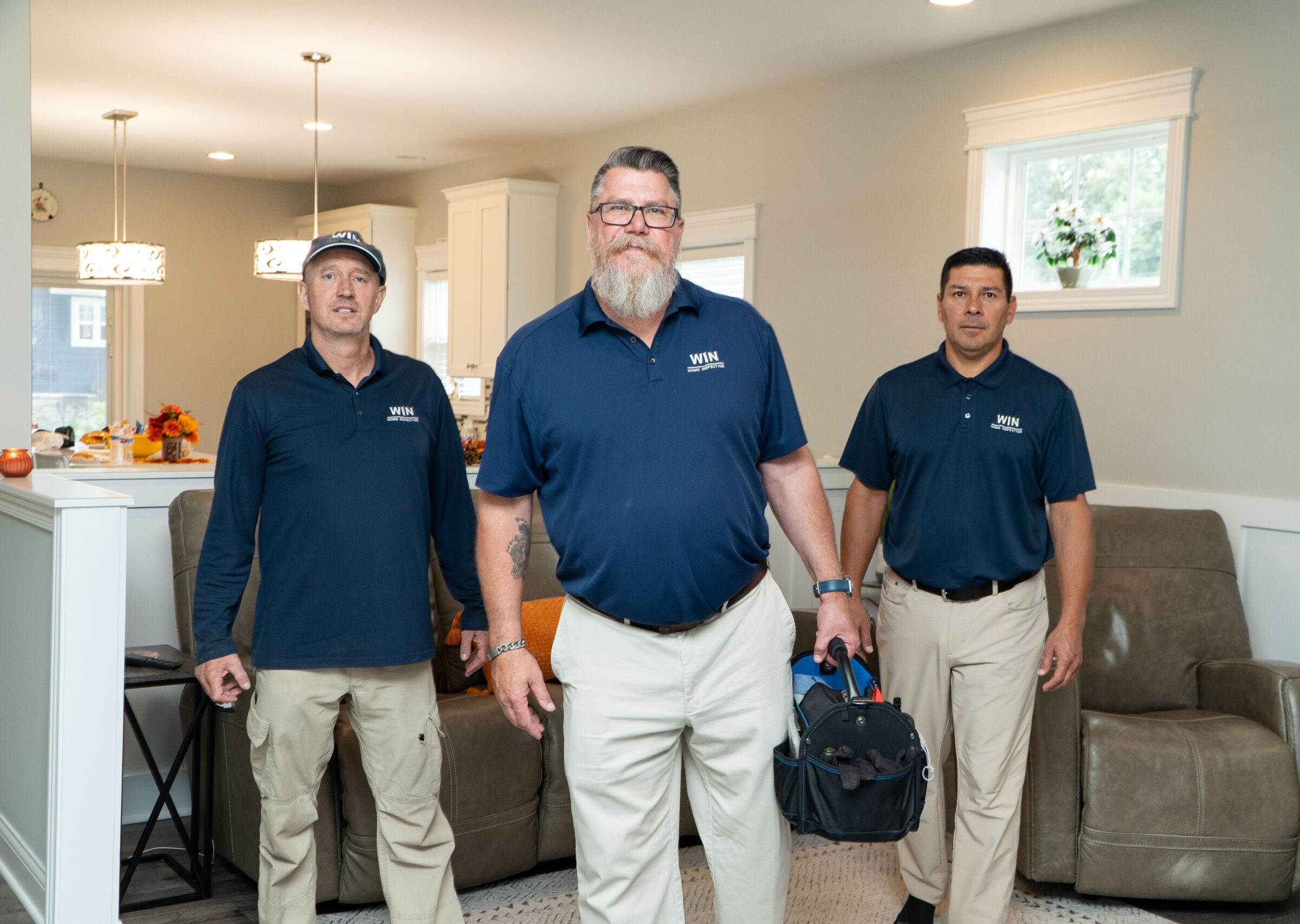
Home inspectors with the tool bag at a home

North Dakota Home Inspector
Licensing Requirements

North Dakota asks for less than most states, but it does ask for the right paperwork. You need proof you passed an approved exam, a certificate showing errors and omissions coverage, and the fee. Send in a partial packet and the Secretary of State sends it back to you. That’s where WIN comes in. We get you ready for an exam the state accepts and help you put the file together so nothing bounces.

Licensing Required

Yes, you have to register with the North Dakota Secretary of State before doing paid inspections.

Education Hours Required

None mandated by state law.

Field Training Required

None mandated by state law.

Exam Required

Yes. One approved exam from ASHI, InterNACHI, EBPHI, or the ICC.

Application Fee

$200 registration fee, payable to the Secretary of State.

Fingerprinting

Not required. There’s no background check either.

Continuing Education Hours

None required by the state.

License Renewal Cycle

Annually. Every registration expires June 30.

The Path To Licensing

6 Steps to Become a Home Inspector
in North Dakota

Take the first step toward becoming a registered home inspector in North Dakota. Here’s everything you need to launch a rewarding career.

https://wini.com/franchise/wp-content/uploads/2026/08/Steps.jpg

You have to be 18. That’s the entire list of personal qualifications written into the law. No degree, no years on a job site, no criminal background check, and nobody takes your fingerprints. 

The rules sit in North Dakota Century Code chapter 43-54, and registration runs through the Office of the Secretary of State rather than a licensing board. Take the enforcement side seriously, though. Charging money for a home inspection before you’re registered is a class B misdemeanor here. 

North Dakota sets no minimum classroom hours. Plenty of people read that and figure they can skip training, which is usually where the trouble starts, because the state still wants proof you passed an approved exam. Those exams cover structure, roofing, electrical, plumbing, heating and cooling, and the interior and exterior components spelled out in the statute. You have to actually know the material.

Training is also where you pick up what a national curriculum treats as a footnote and North Dakota houses hand you every week. Frost depth and what it does to a footing comes up constantly on older homes. Ice dams and attic ventilation matter in a climate that runs from thirty below to ninety above. Basement moisture is close to a standing condition across the Red River Valley.

Four organizations count, and passing one exam from any of them satisfies the state. 

  • Examination Board of Professional Home Inspectors (EBPHI), which runs the National Home Inspector Examination (NHIE). It’s 200 questions, it’s the national benchmark, and it travels with you if you ever work in another state. 
  • American Society of Home Inspectors (ASHI), whose membership path also runs through the NHIE. 
  • InterNACHI, which gives its members an online inspector examination. 
  • International Code Council (ICC), known mostly for its residential and building inspector certification exams. 

Hang onto the certificate or score report when you pass. A copy of it goes in with your registration. 

The state wants a certificate showing at least $100,000 in errors and omissions coverage on all your inspection work, in force for the full registration period. People mix this up with general liability all the time. General liability pays when you put a foot through a ceiling, while E&O pays when you miss a cracked heat exchanger and the buyer finds it in November.

Most inspectors carry both, and most agents who write E&O will package general liability alongside it. Brokerages in Fargo, Bismarck, and Grand Forks will usually want to see both certificates before they start sending you referrals.

North Dakota still runs this on paper. Fill out the Home Inspector Registration form (SFN 54381), print it, sign it, and mail or fax it in with a copy of your exam proof and your insurance certificate. 

The fee is $200, and the form includes a credit card authorization page if you’d rather not mail a check. It all goes to the North Dakota Office of the Secretary of State, 600 East Boulevard Avenue, Dept 108, Bismarck, ND 58505-0500. Keep an eye on the calendar while you’re filing, because every registration expires June 30 no matter which month you sent it in. 

Getting licensed is an important initial step, but building a successful home inspection business takes more than meeting state requirements. As you plan your business, you’ll need to decide whether you want to build independently or have an established support system to help you along the way. A franchise such as WIN can provide state-approved training, business guidance, marketing support, technology, and ongoing mentorship, helping you go from meeting licensing requirements to launching and growing your inspection business.

North Dakota Market

Prepare for North Dakota's
Unique Market

What’s under the house and what winter does to it drive most of the add-on work here. Both are worth getting certified for, and both are things buyers ask about by name.

Radon Testing

All 53 North Dakota counties sit in EPA Radon Zone 1, and roughly 63% of homes test at or above the 4 pCi/L action level. The state doesn’t license radon measurement, though it steers buyers toward NRPP and NRSB certified professionals, so that credential carries weight.


Cold-Weather Performance

Frost heave, ice dams, wet attics, and failed sump pumps are common findings here. Being able to explain them clearly to a nervous buyer is what gets an agent to call you a second time.

You Don't Have to Figure This Out Alone

Getting licensed is just the first step. WIN backs you up with a proven brand, a national footprint, and decades of real operating experience, so you can focus your energy on growing the business, not figuring it out alone.

#1 Ranked

Home Inspection Franchise
For Four Years In A Row

41,000+

Positive Google Reviews
From Happy Clients

45 States

Presence Across
The Nation

Certified. Insured. Trusted.

A Brand North Dakota Homeowners Recognize On The Street

Every WIN franchise rolls out with the same recognizable identity, national trust, and proven playbook behind it.

WIN Home Inspection

Kickstart Your Home Inspection Business

If you’re serious about becoming a home inspector in North Dakota but want to skip the trial-and-error of starting from scratch, explore becoming a franchise owner with WIN Home Inspection. WIN helps you navigate the entire North Dakota path, guiding you far beyond the basics. Our in-house training program certifies you in 35+ essential services, including high-margin specialties like infrared scan, radon testing, and sewer scope inspections. These are highly sought-after skills across North Dakota’s markets that allow you to charge more per job and significantly increase your annual earnings. This comprehensive training is included in the franchise model, so there are no outside schooling costs. We provide the end-to-end marketing, proprietary technology, and ongoing support you need to build a highly profitable, multi-stream business from day one.

In Their Own Words

Hear Directly From WIN Strategic Partners

Tim Dornford
WIN Strategic Partner | Florida
Jeff Williams
WIN Strategic Partner | Washington
Michael Strickland
WIN Strategic Partner | Georgia
Dave Fisch
WIN Strategic Partner | Arizona
Now Expanding

Ready to Own Your Territory?

See where opportunities are available today and grow with WIN’s proven systems, 35+ essential services, and dedicated support team.

Fargo
Bismarck
Grand Forks
Minot
West Fargo
Williston
Dickinson
Mandan
…and many more
Request Territory Info

Frequently Asked Questions

The average home inspector in North Dakota earns approximately $59,000 annually, with earnings ranging from $31,000 to $95,000 depending on experience and location.

Be at least 18, pass a home inspection exam from one of four approved organizations, carry errors and omissions insurance of $100,000 or more, then send form SFN 54381 and $200 to the North Dakota Secretary of State. No education hours, no experience requirement, no background check. The exam is where almost all of your preparation goes.

Yes, for all practical purposes. The state calls it a registration instead of a license, but you can't legally take money for a home inspection without one, and doing it anyway is a class B misdemeanor under NDCC 43-54-02.

It works the same way once you have it. The differences are in how you get it. Registration comes from the Secretary of State rather than an occupational licensing board, and it's based on documents instead of hours. You show that you passed an exam and that you're insured, instead of logging classroom time or supervised inspections.

Not on paper. The state sets no minimum training hours and no field training. You still can't register without passing an approved exam, so training is necessary in practice. Walking into a national exam cold is an expensive way to learn that lesson.

A certificate of liability insurance showing errors and omissions coverage of at least $100,000 on all home inspection activities, and the coverage has to stay active for the full registration period. General liability by itself won't satisfy the state. Carrying both is standard practice and brokerages will often expect it.

It's $200 to register and $50 a year to renew. That's everything the Secretary of State charges. Your actual startup budget goes to training, the exam fee, your insurance premium, tools, and reporting software.

Every registration expires June 30, whatever date it was issued. Register in April and you'll be renewing roughly two months later. After June 30 you can't do any inspection work unless the renewal has gone through.

Send in the Home Inspector Renewal form (SFN 58339) with a current E&O certificate and the $50 fee, and get it to the Secretary of State before July 1. Renewal notices go out around the middle of May. Miss the date and your registration is canceled with no notice and no hearing, which means filing a fresh initial application and paying the full $200 again.

No. Renewal asks for the form, proof of current insurance, and the fee. Nothing else. Most working inspectors take courses anyway, since building methods and reporting standards keep changing whether the state requires it or not.

Eighteen is the minimum. The registration form makes you affirm it under penalty of perjury, and it's the only personal eligibility rule in the statute.

Only after registering here first. There's no reciprocity, so a license from another state doesn't carry over. It tends to go fast for experienced inspectors, though, since a national exam you've already passed will usually satisfy the exam requirement. You'll still need the $100,000 E&O certificate and the $200 fee.

Disclaimer: Requirements are set by the state regulator and are subject to change. This information is provided as a general guide and is reviewed regularly, but regulations can change at any time. WIN Home Inspection assumes no liability for any errors, omissions, or outdated details, and we recommend confirming the latest requirements directly with the relevant state agency before you apply.

Scroll to Top
BOOK A FREE
CONSULTATION
Looking for financial freedom? We can help!