



How to Become a
Home Inspector in
South Dakota

Licensing Hub

Exploring a different state?

Switch states to see licensing requirements, steps, fees, and FAQs.

Getting Started

Your Path to Becoming a Home Inspector in South Dakota

South Dakota has a lot going for it if you’re thinking about working for yourself. Homes keep changing hands in Sioux Falls, Rapid City, and the smaller towns spread out in between, and buyers here want someone local who understands how these houses hold up through the winters. Before you can charge for that work, the state asks you to hold a home inspector credential first. The sections below cover what South Dakota requires, what it costs, and how the two credential levels fit together.

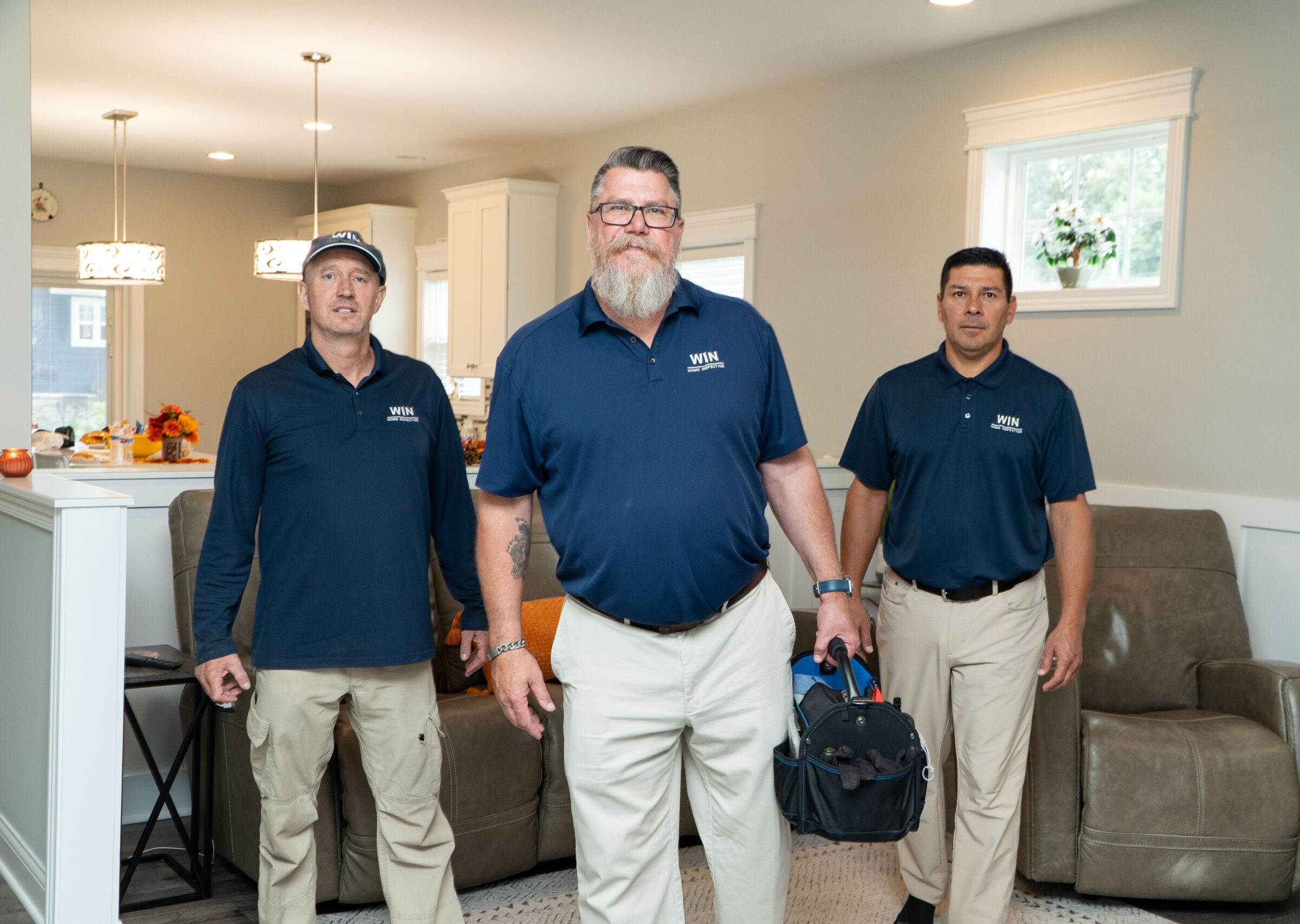
Home inspectors with the tool bag at a home

South Dakota Home Inspector
Licensing Requirements

Getting credentialed in South Dakota comes down to a few clear milestones: an approved course, a state exam, a fingerprint background check, and an application to the Real Estate Commission. That’s where WIN comes in. WIN’s in-house training program prepares you for the exam and for the day-to-day work that follows, with the business side built in from the start, so you’re not piecing together schooling and a business plan separately. Here’s what the state asks for.

Licensing Required

Yes. You must be registered or licensed by the South Dakota Real Estate Commission to inspect homes for compensation.

Education Hours Required

40 hours minimum from a commission-approved pre-licensing course.

Field Training Required

None mandated for registration. 100 paid inspections are required to move up to Licensed Home Inspector.

Exam Required

The South Dakota Real Estate Home Inspector exam, administered by PSI.

Application Fee

$200 for either registration or license, paid to the commission.

Fingerprinting

Required. State and federal background check through the DCI and the FBI.

Continuing Education Hours

24 hours per renewal period, with no more than 6 hours from independent study.

License Renewal Cycle

Biennial. Renewal applications are due by November 30 of the expiration year.

The Path To Licensing

6 Steps to Become a Home Inspector
in South Dakota

Take the first step toward becoming a licensed home inspector in South Dakota. Here’s everything you need to launch a rewarding career.

https://wini.com/franchise/wp-content/uploads/2026/08/Steps.jpg

South Dakota requires at least 40 hours of instruction from a course the Real Estate Commission has approved. The curriculum covers the principles of home inspection along with the state statutes and administrative rules that govern the profession here. You can check the commission’s list of approved providers before you enroll, since credit from an unapproved course has to be reviewed after the fact and there’s no guarantee it counts.

One deadline worth noting: your education has to have been completed within the two years before you apply. If you finish a course and then set the idea aside for a few years, you’ll be starting over.

Once your coursework is done, you can register for the exam through PSI. Look for the South Dakota Real Estate Home Inspector exam and download the Candidate Handbook, which walks through registration by phone, online, or by mail. Registration costs $133, paid by credit card at the time you sign up.

The exam is 190 multiple-choice questions. Roughly 90 percent of it comes from the home inspection material you covered in your pre-licensing course, and the remaining 10 percent comes from the South Dakota Home Inspection License Law Manual. You need a score of 75 to pass. Testing is computerized and available in Sioux Falls, Rapid City, and Madison. If you don’t pass on the first try, you’ll wait 30 days before testing again.

You have 60 days from the date you’re notified that you passed to file your application. Miss that window and your exam score is void, which means testing again before you can apply. The application fee is $200, and you’ll submit proof that you completed your approved education along with your exam results.

Fingerprinting happens as part of this step. State law requires every applicant to submit to a state and federal criminal background investigation through the Division of Criminal Investigation and the FBI, and the commission forwards your fingerprint cards once you apply. You cover the cost of fingerprinting and the investigation itself. The commission has to receive those results before it issues your credential, so build a little patience into your timeline here.

Approval makes you a Registered Home Inspector, and that’s a working credential, not a training permit. You can take clients, charge for inspections, and operate your own business right away.

South Dakota doesn’t require home inspectors to carry insurance. That said, most real estate brokerages will ask about it before they refer clients to you, and errors and omissions coverage protects you if a client disputes something in a report. It’s worth pricing out before your first job rather than after.
Your written contracts do need to follow the state’s standards of practice. Each one has to include the property address, the price, a list of what you’ll inspect, a list of what you won’t, and your registration or license number.

After a year at the registered level and at least 100 paid inspections, you can apply to become a Licensed Home Inspector. You’ll document that work on the commission’s Experience Log and submit it to the South Dakota Real Estate Commission. 

The practical advice here is simple: start logging inspections from day one. Reconstructing a year of addresses and dates from old invoices is a miserable weekend, and the log is much easier to keep current than to rebuild. 

Getting licensed is an important initial step, but building a successful home inspection business takes more than meeting state requirements. As you plan your business, you’ll need to decide whether you want to build independently or have an established support system to help you along the way. A franchise such as WIN can provide state-approved training, business guidance, marketing support, technology, and ongoing mentorship, helping you go from meeting licensing requirements to launching and growing your inspection business.

South Dakota Market

Prepare for South Dakota's
Unique Market

South Dakota homes come with a few local realities that shape what buyers ask about. Two of them come up often enough that they’re worth building into your service list early rather than adding later.

Radon Testing

Most of South Dakota sits in the EPA’s highest radon zone, and a large share of homes here test above the action level. Buyers ask about it constantly, and a radon certification pairs naturally with a standard inspection.


Roof and Hail Damage Assessment

Storms across the eastern half of the state put a lot of wear on roofs. Knowing how to document roof damage clearly is a real advantage, since insurers and buyers both lean on that section of your report.

You Don't Have to Figure This Out Alone

Getting licensed is just the first step. WIN backs you up with a proven brand, a national footprint, and decades of real operating experience, so you can focus your energy on growing the business, not figuring it out alone.

#1 Ranked

Home Inspection Franchise
For Four Years In A Row

41,000+

Positive Google Reviews
From Happy Clients

45 States

Presence Across
The Nation

Certified. Insured. Trusted.

A Brand South Dakota Homeowners Recognize On The Street

Every WIN franchise rolls out with the same recognizable identity, national trust, and proven playbook behind it.

WIN Home Inspection

Kickstart Your Home Inspection Business

If you’re serious about becoming a home inspector in South Dakota but want to skip the trial-and-error of starting from scratch, explore becoming a franchise owner with WIN Home Inspection. WIN helps you navigate the entire South Dakota path, guiding you far beyond the basics. Our in-house training program certifies you in 35+ essential services. This includes high-margin specialties like radon testing, mold inspections, and sewer scope inspections. These are highly sought-after skills in South Dakota that allow you to charge more per job and significantly increase your annual earnings. This comprehensive training is included in the franchise model, so there are no outside schooling costs. We provide the end-to-end marketing, proprietary technology, and ongoing support you need to build a highly profitable, multi-stream business from day one.

In Their Own Words

Hear Directly From WIN Strategic Partners

Tim Dornford
WIN Strategic Partner | Florida
Jeff Williams
WIN Strategic Partner | Washington
Michael Strickland
WIN Strategic Partner | Georgia
Dave Fisch
WIN Strategic Partner | Arizona
Now Expanding

Ready to Own Your Territory?

See where opportunities are available today and grow with WIN’s proven systems, 35+ essential services, and dedicated support team.

Sioux Falls
Rapid City
Aberdeen
Brookings
Watertown
Mitchell
Yankton
Huron
…and many more
Request Territory Info

Frequently Asked Questions

The average income of home inspectors in South Dakota is $56,000 per year, with a range from $29,500 to $89,500 annually.

Complete a 40-hour pre-licensing course approved by the South Dakota Real Estate Commission, pass the state home inspector exam through PSI, and file an application with a $200 fee within 60 days of passing. You'll also complete a fingerprint background check. That gets you a Registered Home Inspector credential, which lets you start working. After a year and 100 paid inspections, you can upgrade to Licensed Home Inspector.

Yes. Under SDCL Chapter 36-21C, nobody can provide a home inspection for compensation, or hold themselves out as able to, without being registered or licensed by the commission. Doing it without a credential is a Class 1 misdemeanor. A few groups are exempt when acting within their own scope of practice, including code officials, architects, professional engineers, electrical contractors, plumbers, real estate licensees, appraisers, insurance adjusters, and licensed manufactured home dealers.

For registration, you need good moral character, a high school diploma or equivalent, an approved course of at least 40 hours, and a passing exam score. Every applicant also submits to a state and federal fingerprint background check. For the license, add one year of employment as a Registered Home Inspector and at least 100 home inspections performed for compensation.

A minimum of 40 hours from a commission-approved course. The curriculum covers the general principles of home inspection and has to include South Dakota's statutes and rules for home inspectors. Your coursework needs to have been completed within the two years before you apply.

Franchising is a business model that offers a way for aspiring entrepreneurs to start a business without taking excessive risks. It involves a mutual agreement between two parties: the franchisee (the entrepreneur) and the franchisor (the established company). As part of this partnership, the franchisee gains the opportunity to start and grow a business using the franchisor's brand and proven business model. On the other hand, the franchisor benefits by expanding their brand's reach and market presence without the need to manage new markets directly. Franchising is the perfect opportunity for entrepreneurs who want to start their own business and be their own boss but seek the structure, support and success of an established brand. There are many benefits of franchising including association with a trusted brand, access to marketing support, and the ability to learn from industry experts and peers.

The South Dakota Real Estate Home Inspector exam, scheduled and administered through PSI. It's 190 multiple-choice questions taken on a computer, with about 90 percent drawn from the home inspection content in your pre-licensing course and 10 percent from the South Dakota Home Inspection License Law Manual. Registration costs $133, and testing sites are in Sioux Falls, Rapid City, and Madison.

The passing score is 75, set in the administrative rules at ARSD 20:74:02:04.

The state fees are $200 for the application and $133 for the exam. You also pay whatever your fingerprinting vendor and the background investigation cost, which varies. Your pre-licensing course is the biggest variable and depends entirely on the provider you choose. Renewal is $100 every two years. Franchise owners with WIN complete their training as part of the franchise model, which takes outside schooling costs off the table.

At least 100 home inspections performed for compensation, alongside at least one year working as a Registered Home Inspector. You document both on the commission's Experience Log and submit it when you're ready to upgrade.

A registration or license expires on December 31 of the year following the year it was issued, and it renews on a two-year cycle after that. Your first period will be shorter than two full years depending on when in the year you were approved.

File your renewal application with the commission no later than November 30 of the year your credential expires, pay the $100 renewal fee, and have your 24 hours of continuing education completed. Renewals filed after November 30 carry a late penalty of $20 per month, and no late renewal is accepted after June 30 of the following year. At that point you'd be starting the process over.

24 hours per renewal period, from courses the commission has approved. No more than 6 of those hours can come from independent study, and you can't reuse the same hours across two renewal periods. Until your continuing education is finished, you're not permitted to conduct inspections. Approved courses taken in another state can count if you submit proof and apply for approval within 60 days of completing them.

Yes, in some cases. The commission may issue a license to someone holding a valid credential from another state, a U.S. possession, or the District of Columbia, provided that state's standards are substantially equivalent to South Dakota's, as the commission determines. You'll file an application with the fee and include a certificate of licensure from your home state's licensing agency, completed within the 30 days before you apply, confirming your license is in good standing with no complaints pending.

Getting registered moves fairly quickly. A 40-hour course can be finished in a couple of weeks, and once you add exam scheduling, application processing, and the background check, most people are working within a few months. The license itself takes longer because of the experience requirement. Counting the year at the registered level and the 100 inspections you'll need to log, plan on somewhere in the range of 15 to 18 months from your first day of class.

Disclaimer: Requirements are set by the state regulator and are subject to change. This information is provided as a general guide and is reviewed regularly, but regulations can change at any time. WIN Home Inspection assumes no liability for any errors, omissions, or outdated details, and we recommend confirming the latest requirements directly with the relevant state agency before you apply.

Scroll to Top
BOOK A FREE
CONSULTATION
Looking for financial freedom? We can help!