



How to Become a
Home Inspector in
Maine

Reviewed by Patrick Knight
Licensing Hub

Exploring a different state?

Switch states to see licensing requirements, steps, fees, and FAQs.

Getting Started

Your Path to Becoming a Home Inspector in Maine

Maine doesn’t license home inspectors. There’s no state exam, no board, nobody checking your background before you charge a client.

Lawmakers have looked at changing that. Back in 2019 they ordered a formal study of whether the trade should be regulated, and nothing came of it, so the door is still open. Meanwhile buyers keep showing up with the same question they’d ask anywhere else, which is whether you actually know what you’re looking at. In Maine that answer comes from your training and your certification, because there’s nothing official for anyone to check.

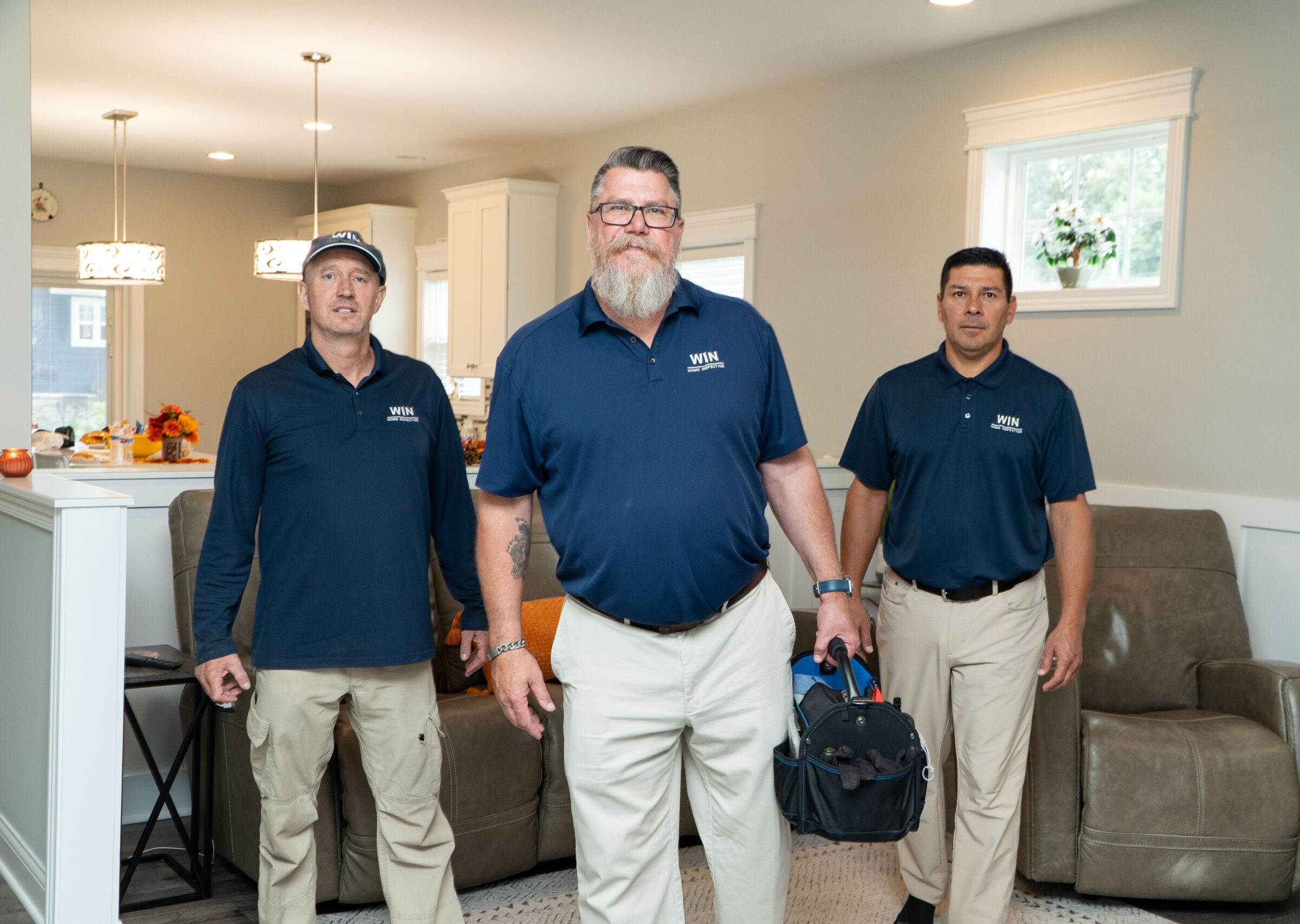
Home inspectors with the tool bag at a home

Maine Home Inspector
Licensing Requirements

So what should you have in place before your first paid job?

Four things do the heavy lifting: real training, a certification clients recognize, insurance, and a business that’s properly registered. Agents will ask about all of them before they send anybody your way. Assembling that on your own takes a while, and that’s where WIN comes in, because the training, certifications, and business setup arrive together rather than one piece at a time.

Licensing Required

No, a license is not required to perform home inspections in Maine.

Education Hours Required

None required by state law. Most training programs run somewhere between 60 and 120 hours.

Field Training Required

None required by state law. Riding along on real inspections is still how you actually learn the work.

Exam Required

None mandated by state law. National Home Inspector Exam (NHIE) is recommended.

Application Fee

$0. No license means no license fee.

Fingerprinting

No. Background checks and fingerprinting are not required.

Continuing Education Hours

None required (no state license exists).

License Renewal Cycle

N/A. Radon registration is the exception, and that one does have to be kept current.

THE PATH FORWARD

6 Steps to Become a Home Inspector in Maine

Take the first step toward becoming a professional home inspector in Maine. Here’s everything you need to launch a rewarding career.

https://wini.com/franchise/wp-content/uploads/2026/08/Steps.jpg

Nobody’s checking, which is the whole reason this step matters. A good course covers roofs, foundations, framing, wiring, plumbing, and heating, then teaches you to write it up so a buyer can follow what you found.

Pick a program built on a recognized set of inspection standards, since that becomes your rulebook and it’s what agents assume you’re working from. If you can find one that gets you inside real houses, take it. Reading about a rotted sill and crawling under a camp in Bridgton to find one are two different educations.

There’s no license number for a Maine buyer to look up, so your certification does that job. InterNACHI and ASHI are the two names clients tend to recognize, and both ask you to follow their standards and code of ethics.

You’ll also find New England inspectors gathering through regional ASHI chapters, and that’s worth your time early on. The people in those rooms know which houses in your area hide what, and they know which agents actually pay on time.

Maine doesn’t require the National Home Inspector Examination, and plenty of good inspectors here have never taken it.

Worth thinking about anyway, especially when you’re new and going up against somebody who’s been doing this since the nineties. It’s four hours and 200 questions on home systems and inspection practice. It also carries weight next door, since New Hampshire and Massachusetts both use it in their licensing.

No Maine law says you need coverage. Skip it and you’re betting your savings on never making a mistake.

General liability handles the day you break a window or somebody trips over your ladder. Errors and omissions handles the call in March when a client says you should have caught the ice dam damage. That second one is where nearly every claim against an inspector starts. Brokerages usually want to see both policies before they refer anyone, so build them into your startup budget from the beginning.

This is the one that catches new Maine inspectors off guard, and it’s not a small thing.

Maine law says only a registered radon service provider can test a home that’s for sale. Not the buyer, not the seller, and not you unless you’re registered with the Radiation Control Program at Maine CDC. Registration means taking an NRPP or NRSB approved course, passing their exam, then filing with the state.

It’s worth doing, because radon in Maine is not an occasional finding. The average Maine home tests above the action level, and elevated readings turn up all over the state. Well water carries radon too, and roughly half of Maine households drink from private wells.

Meeting your state’s requirements is only the beginning of building a home inspection career. At this stage, you’ll need to decide whether to start independently or join an established business model. For those who prefer additional support, WIN Home Inspection offers state-specific training, business mentorship, marketing resources, technology, and ongoing guidance designed to help inspectors launch and grow their businesses.

Maine Market

Prepare for Maine's
Unique Market

Maine has some of the oldest housing in the country and some of the hardest winters, which is a rough combination for a building. Published pay averages sit around $58,000 to $60,000, and two services keep inspectors here busy.

Radon Testing

Register with the state and this becomes steady work, because the average Maine home tests above the action level and only registered providers can test a house that’s for sale.


Private Well and Water Testing

About half of Maine households are on wells, and arsenic shows up often enough in Maine bedrock that buyers ask for water testing as a matter of course.

You Don't Have to Figure This Out Alone

Getting licensed is just the first step. WIN backs you up with a proven brand, a national footprint, and decades of real operating experience, so you can focus your energy on growing the business, not figuring it out alone.

#1 Ranked

Home Inspection Franchise
For Four Years In A Row

41,000+

Positive Google Reviews
From Happy Clients

45 States

Presence Across
The Nation

Certified. Insured. Trusted.

A Brand Maine Homeowners Recognize On The Street

Every WIN franchise rolls out with the same recognizable identity, national trust, and proven playbook behind it.

WIN Home Inspection

Kickstart Your Home Inspection Business

If you’re serious about becoming a home inspector in Maine but want to skip the trial-and-error of starting from scratch, explore becoming a franchise owner with WIN Home Inspection. WIN helps you navigate the entire Maine path, guiding you far beyond the basics. Our in-house training program certifies you in 35+ essential services. This includes high-margin specialties like radon testing, well water quality testing, and sewer scope inspections. These are highly sought-after skills in Maine that allow you to charge more per job and significantly increase your annual earnings. This comprehensive training is included in the franchise model, so there are no outside schooling costs. We provide the end-to-end marketing, proprietary technology, and ongoing support you need to build a highly profitable, multi-stream business from day one.

In Their Own Words

Hear Directly From WIN Strategic Partners

Tim Dornford
WIN Strategic Partner | Florida
Jeff Williams
WIN Strategic Partner | Washington
Michael Strickland
WIN Strategic Partner | Georgia
Dave Fisch
WIN Strategic Partner | Arizona
Now Expanding

Ready to Own Your Territory?

See where opportunities are available today and grow with WIN’s proven systems, 35+ essential services, and dedicated support team.

Portland
Lewiston
Bangor
South Portland
Auburn
Sanford
Biddeford
Westbrook
…and many more
Request Territory Info

Frequently Asked Questions

Home inspectors in Maine earn an average of $63,000 annually, or $30 per hour. Top earners make up to $87,000 annually, while entry-level inspectors earn approximately $28,500.

Take a training course, earn a certification, buy insurance, and register your business. Maine issues no license, so your training and credentials are what tell a client you're qualified. Register with the state radon program too if you plan to offer radon testing.

No, and it surprises people moving here from licensed states. Anyone can legally inspect homes for pay in Maine. Radon testing is the exception, since that does require state registration.

From the state, there aren't any. No schooling, no exam, no experience, no insurance. The list that actually matters comes from clients and agents, and it's training, certification, insurance, and a registered business.

Not by law, though skipping it makes for a hard first year. Insurance carriers ask about your training before they quote you, agents ask before referring anyone, and certification groups won't take you without coursework.

No, it isn't required. Inspectors here often take it anyway because licensed states use the same exam, and it gives somebody new a straightforward way to prove they know the material.

Certification is voluntary, and it carries more weight here than it would in a licensed state. A credential from InterNACHI or ASHI shows a buyer you completed training and agreed to follow a set of standards, which is reassuring when there's nothing official to check.

A license comes from the state and is legally required to work. Certification comes from a private organization and is voluntary. Maine has no license, so certification is the only credential in play, and it's issued by whichever group you join rather than by the state.

Start with a course covering every major home system and report writing, built on recognized standards, then get out inspecting with somebody experienced. Maine subjects worth studying include radon, well water, ice dams and roof loading, old post-and-beam framing, buried oil tanks, and moisture in fieldstone basements.

General liability and errors and omissions, even though the state requires neither. General liability covers damage or injury on the job. Errors and omissions covers a client claiming you missed a defect, and most brokerages want proof of both before they refer you.

Not for home inspection, since there's no license to keep current. Radon registration is different, and that has its own renewal and training requirements. Your certifying group will set hours too, and InterNACHI asks members for 24 a year.

Maine has adopted none, so you follow whichever standards your certification requires, usually the InterNACHI or ASHI standards of practice. Name that standard in your pre-inspection agreement and in your reports. It tells clients exactly what you inspected, and it protects you when someone later argues you should have looked at something outside that scope.

Yes, and no reciprocity paperwork is involved, since there's nothing to reciprocate with. Bring your credentials and your insurance and you can work here. If you'll be testing for radon, you need Maine registration specifically, because another state's radon certification doesn't transfer.

Disclaimer: Requirements are set by the state regulator and are subject to change. This information is provided as a general guide and is reviewed regularly, but regulations can change at any time. WIN Home Inspection assumes no liability for any errors, omissions, or outdated details, and we recommend confirming the latest requirements directly with the relevant state agency before you apply.

Scroll to Top
BOOK A FREE
CONSULTATION
Looking for financial freedom? We can help!