

How to Become a
Home Inspector in
Florida

Licensing Hub

Exploring a different state?

Switch states to see licensing requirements, steps, fees, and FAQs.

Getting Started

Your Path to Becoming a Home Inspector in Florida

Florida offers many exciting career opportunities, including becoming a home inspector.

The state’s real estate market and unique weather conditions make it the perfect place to transition into this recession-resistant industry. But do you need a Florida home inspector license to practice?

To ensure your success and stay compliant with state laws, here is everything you need to know about how to become a home inspector in Florida.

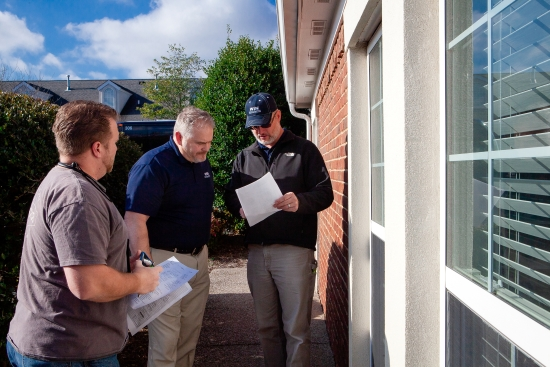
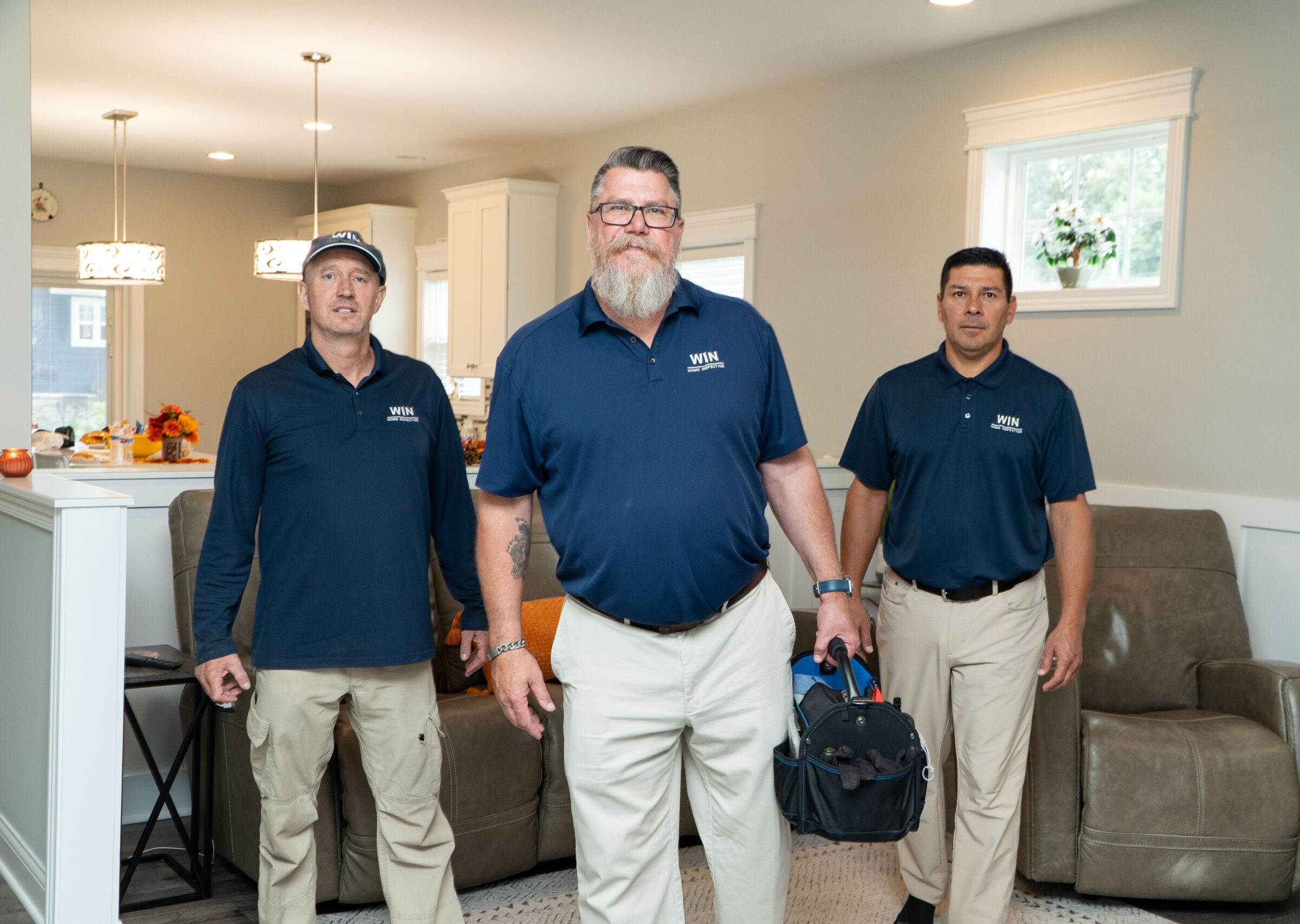
Home inspectors with the tool bag at a home

Florida Home Inspector
Licensing Requirements

Becoming a home inspector in Florida is an exciting step toward building your own business, and earning your license involves a few key milestones, from completing approved coursework and field training to passing one of the DBPR-approved exams. That’s where WIN comes in. With DBPR-approved training, WIN helps you complete your licensing requirements while providing the guidance and support you need to get your inspection business started. Below are the key requirements to get your Florida home inspector license:

Licensing Required

Yes, Florida requires a state home inspector license issued by the DBPR.

Education Hours Required

120 hours of DBPR-approved home inspection training covering the eight major home components.

Field Training Required

None mandated by the state. Hands-on field training with an experienced inspector is strongly recommended.

Exam Required

Yes. You must pass one DBPR-approved exam: NHIE, FABI, CI-HPI, or the InterNACHI Florida exam.

Application Fee

$125. Military veterans, their spouses, and Florida National Guard members are often eligible for a waiver.

Fingerprinting

Required. Livescan fingerprinting through an FDLE-registered vendor.

Continuing Education Hours

14 hours every 2 years (includes 2 hours of hurricane wind mitigation).

License Renewal Cycle

Every two years, with DBPR-approved continuing education required each cycle.

The Path To Licensing

6 Steps to Become a Home Inspector in Florida

Take the first step toward becoming a licensed home inspector in Florida. Here’s everything you need to launch a rewarding career.

https://wini.com/franchise/wp-content/uploads/2026/08/Steps.jpg

Before you can start your career as a home inspector, you must complete a 120-hour course approved by the Florida Department of Business and Professional Regulation (DBPR).

In Florida, the course must cover the eight major components of a home: structure, electrical, HVAC, roof covering, plumbing, interior components, exterior components, and site conditions.

After you complete your course, you can sit your exam. You are required to pass one of the DBPR-approved exams. In Florida, you have four options:

  • National Home Inspector Examination (NHIE): This exam is the national standard and consists of 200 questions. Opt for this exam if you plan to ever move or practice outside of Florida.
  • Florida Association of Building Inspectors (FABI): Tailored specifically to Florida building standards.
  • The Certified Home & Property Inspector (CI-HPI) exam: Widely used and often integrated with online training packages. A score of 70% or higher is typically required to pass. Taking a prep course is highly recommended.
  • InterNACHI Florida Home Inspector Licensing Examination: This 120-question exam is designed for state licensing compliance.

In Florida, a criminal background check is mandatory if you want to be a home inspector. Locate an FDLE-registered Livescan vendor using the FDLE LiveScan Device Vendors list. The goal here is to prove a “good moral character” when dealing with the public on a day-to-day basis.

Crucial step: When getting fingerprinted, you must provide the specific Originating Agency Identifier (ORI) code for Florida Home Inspectors, which is FL921932Z, so that the DBPR receives your results. Processing usually takes up to five days.

Before you’re issued your license, the state of Florida requires home inspectors to carry at least $300,000 in Commercial General Liability (CGL) insurance. However, keep in mind that if you want to work with real estate brokerages, they may also require you to carry Errors and Omissions (E&O) Insurance. When starting your business, bundle these insurance requirements.

Pro-tip: While the state only mandates General Liability, nearly all real estate brokerages will require you to also carry Errors and Omissions (E&O) Insurance before they refer you to clients. It is highly recommended to bundle these when starting your business.

Create an account on the DBPR online portal to submit your formal application. Alternatively, you can mail it in. When you submit, include your course completion certificate, proof of insurance, and passing exam score.

Additional details:

  • The application fee is $125.
  • Military veterans, their spouses, and Florida National Guard members are often eligible for these initial licensing fees to be waived.

Once you have your license, there is an additional step if you want to start your own business.

The DBPR issues the license to you as an individual. However, you must register your business to legally operate in the state. Register your LLC or sole proprietorship through the Florida Department of State. If starting your own company feels overwhelming, joining a franchise like WIN Home Inspection can accelerate your path to business ownership, with comprehensive training, proprietary technology, and robust marketing resources.

Florida Market

Prepare for Florida's Unique Market

Florida is unique for those in the home inspection business. Due to hurricanes and the state’s insurance market, homebuyers will expect you to perform specialized inspections. You should seek additional certifications for:

Wind Mitigation Inspections

Completing the OIR-B1-1802 form helps clients unlock annual insurance premium reductions.

4-Point Inspections

Inspectors can assist clients by evaluating the roof, HVAC, electrical, and plumbing systems in older homes, as required by insurance companies before issuing a policy.

You Don't Have to Figure This Out Alone

Getting licensed is just the first step. WIN backs you up with a proven brand, a national footprint, and decades of real operating experience, so you can focus your energy on growing the business, not figuring it out alone.

#1 Ranked

Home Inspection Franchise
For Four Years In A Row

41,000+

Positive Google Reviews
From Happy Clients

45 States

Presence Across
The Nation

Certified. Insured. Trusted.

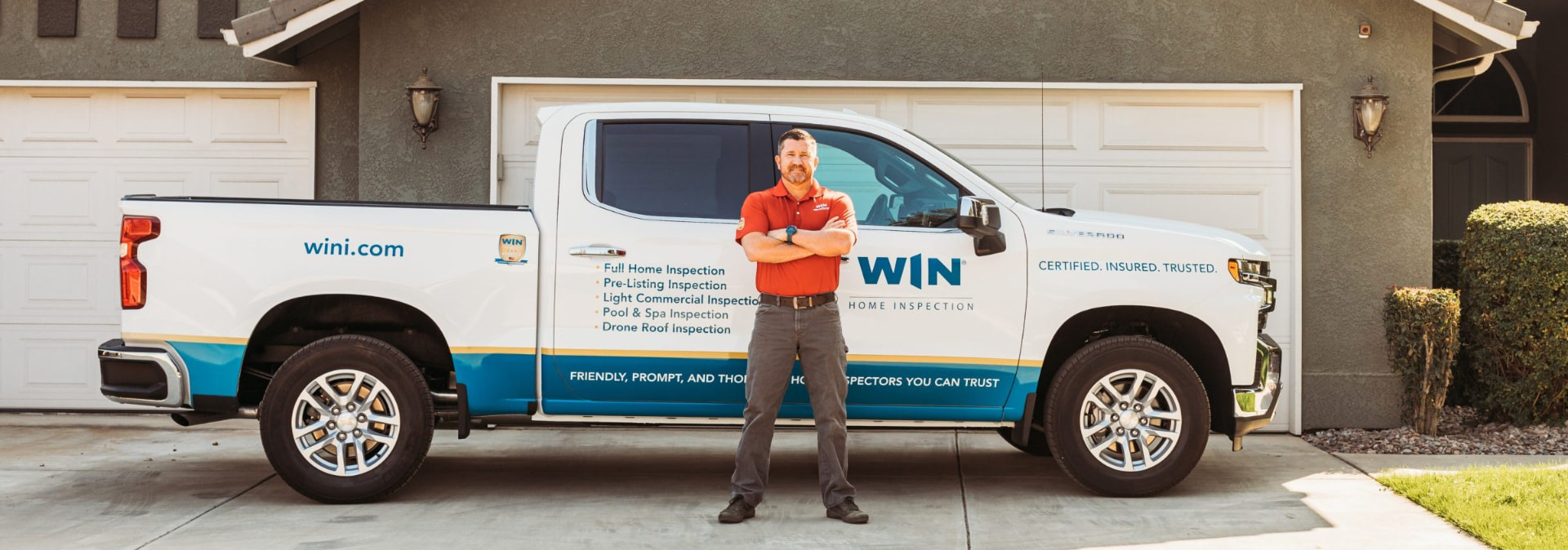
A Brand Florida Homeowners Recognize On The Street

Every WIN franchise rolls out with the same recognizable identity, national trust, and proven playbook behind it.

WIN Home Inspection

Kickstart Your Home Inspection Business

If you’re serious about becoming a home inspector in Florida but want to skip the trial-and-error of starting from scratch, explore becoming a franchise owner with WIN Home Inspection. WIN helps you navigate the entire Florida path, guiding you far beyond the basics. Our in-house training program certifies you in 35+ essential services. This includes high-margin specialties like wind mitigation, 4-point, and drone roof inspections. These are highly sought-after skills in Florida that allow you to charge more per job and significantly increase your annual earnings. This comprehensive training is included in the franchise model, so there are no outside schooling costs. We provide the end-to-end marketing, proprietary technology, and ongoing support you need to build a highly profitable, multi-stream business from day one.

In Their Own Words

Hear Directly From WIN Strategic Partners

Tim Dornford
WIN Strategic Partner | Florida
Jeff Williams
WIN Strategic Partner | Washington
Michael Strickland
WIN Strategic Partner | Georgia
Dave Fisch
WIN Strategic Partner | Arizona
Now Expanding

Ready to Own Your Territory?

See where opportunities are available today and grow with WIN’s proven systems, 35+ essential services, and dedicated support team.

Jacksonville
Miami
Tampa
Orlando
St. Petersburg
Port St. Lucie
Hialeah
Cape Coral
…and many more
Request Territory Info

Frequently Asked Questions

It depends on who you ask. Some sources put the average around $57,000 a year, while others show licensed inspectors closer to $80,000. Once you gain experience or run your own business offering 4-point and wind mitigation inspections, earning six figures is entirely achievable.

No separate license is needed. If you are already a licensed home inspector, contractor, or engineer, you can conduct 4-point inspections after completing insurer-recognized training. Sometimes this training is built into the 120-hour course, while other times it's a short add-on later.

120 hours. That's what Florida wants before they look at your application. InterNACHI is available online or in a classroom. ICA School and AHIT are options too. WIN, the #1 ranked home inspection franchise, handles training, mentorship, and marketing for you. Whichever route you pick, you'll learn structure, electrical, HVAC, roofing, plumbing, and report writing.

Roughly two to four months. The course lasts about a month. Then you'll spend time studying, taking the exam, and waiting on the state for your license, which can take another month or two on its own. It's not a fast track, but it isn't slow either.

No. A high school diploma or GED is enough. You must be at least 18 years old and pass a background check and fingerprinting. The state cares about the 120 education hours, not your college transcript.

Most people find it costs between $1,000 and $2,000 in total. The course runs from $400 to $1,000 depending on the provider. State fees add up to about $525 once you factor in the application, license, and exam fees. Insurance, liability and E&O requiring a $300,000 minimum coverage.

It's fair, but not a freebie. Florida skips the National Home Inspector Exam that most states use and administer its own version instead. This catches some out-of-state applicants off guard. Study the full 120 hours of material, especially building codes and hurricane resilience—and you'll be fine.

The DBPR (Department of Business and Professional Regulation). They are governed by Chapter 468, Part XV of the Florida Statutes, and Rule 61-30 of the Administrative Code.

You can go solo; plenty of people do. A franchise isn't required, but it gives you tools you'd otherwise have to build yourself: established marketing, tested software, and brand recognition. That is usually why franchise owners land clients faster and reach steady income sooner than someone starting from scratch.

Disclaimer: Requirements are set by the state regulator and are subject to change. This information is provided as a general guide and is reviewed regularly, but regulations can change at any time. WIN Home Inspection assumes no liability for any errors, omissions, or outdated details, and we recommend confirming the latest requirements directly with the relevant state agency before you apply.

Scroll to Top
BOOK A FREE
CONSULTATION
Looking for financial freedom? We can help!