




How to Become a
Home Inspector in
Rhode Island

Licensing Hub

Exploring a different state?

Switch states to see licensing requirements, steps, fees, and FAQs.

Getting Started

Your Path to Becoming a Home Inspector in Rhode Island

Rhode Island packs a lot of housing into very little space. You can cover Providence, Warwick, and the East Bay in a single morning, and homes here change hands steadily year after year. Almost every one of those sales runs through an inspection first.

Home inspection is a regulated trade in Rhode Island, so you’ll need a license from the Contractors’ Registration and Licensing Board before you can charge for the work. Here’s how the process works and what the state expects from you.

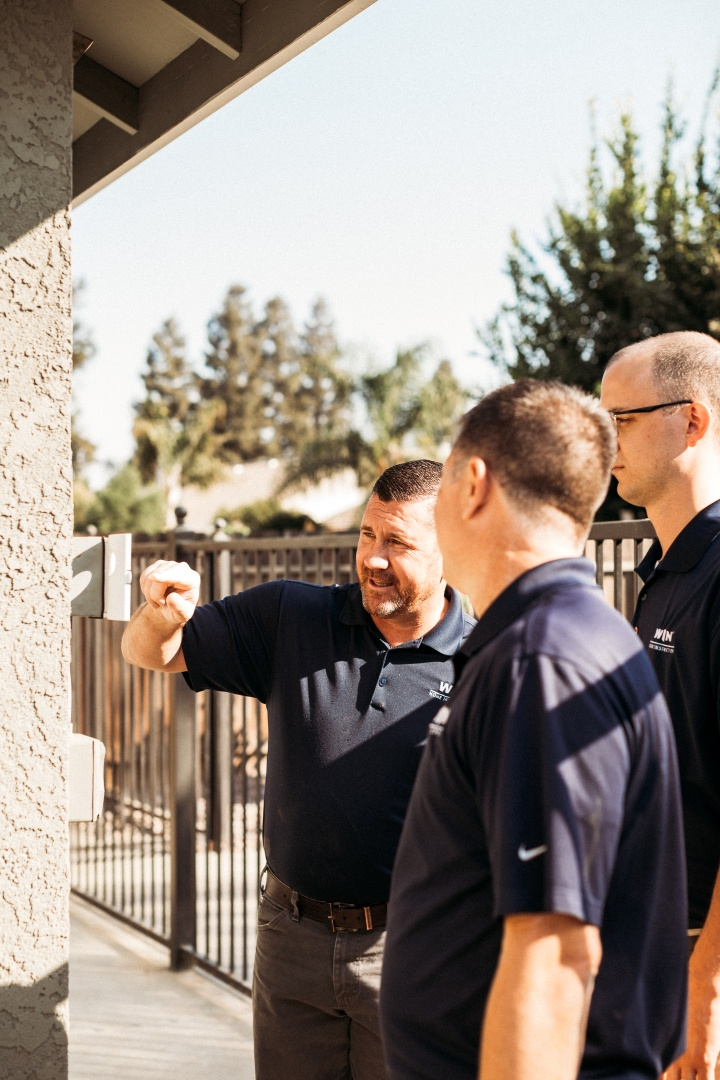
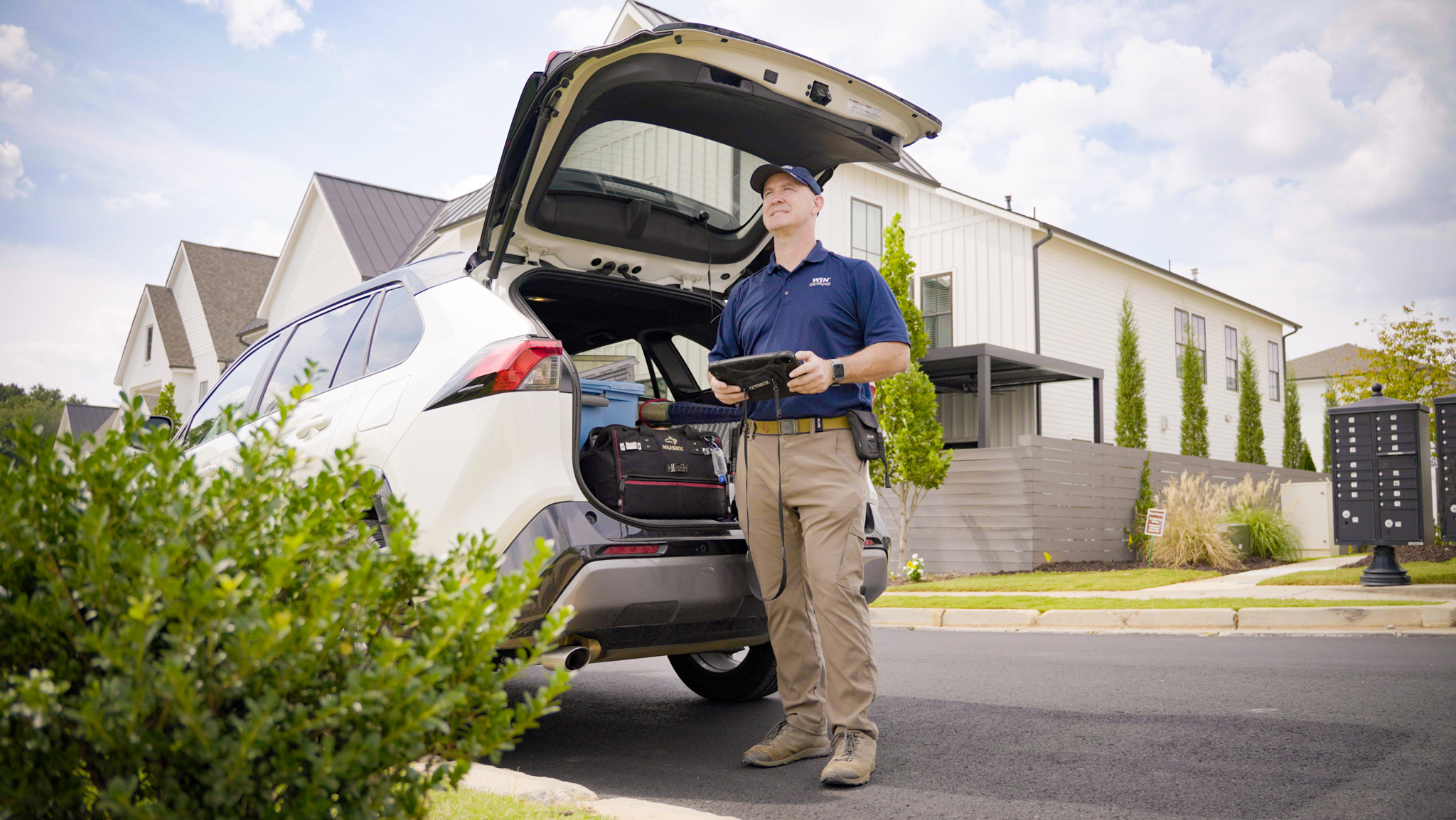
Home inspectors with the tool bag at a home

Rhode Island Home Inspector
Licensing Requirements

Rhode Island won’t hand you a license for sitting through a course. The state wants real inspections on your record, a passing exam score, and insurance certificates on file before it approves anything. That’s where WIN comes in. WIN gives new inspectors the training, the mentorship, and the business systems to work through the requirements and start earning. Here are the key requirements for a Rhode Island home inspector license:

Licensing Required

Yes. Anyone inspecting residential property for a fee must be licensed by the CRLB.

Education Hours Required

None mandated by state law. Rhode Island qualifies applicants on inspection experience.

Field Training Required

50 supervised inspections to qualify as an associate, then 100 paid inspections for full licensure.

Exam Required

The National Home Inspector Examination, scheduled through PSI.

Application Fee

$200, which covers the full two-year license term.

Fingerprinting

Not required. Applicants must be of good moral character and submit a government-issued ID.

Continuing Education Hours

12 hours every two years, including one hour of ethics and one hour on standards of practice.

License Renewal Cycle

Every two years, with a $50 late fee if the license expires first.

The Path To Licensing

6 Steps to Become a Home Inspector
in Rhode Island

Rhode Island wants inspections on your record before it issues anything, so the sequence here matters more than in most states. These six steps take you from your first day of training to your own business.

https://wini.com/franchise/wp-content/uploads/2026/08/Steps.jpg

Rhode Island sets no classroom hour requirement, which catches a lot of people by surprise. You still have to know the work. The exam covers building systems, standards of practice, and report writing, and the inspector supervising you will expect you to be useful on site from the very first job.

Good training covers roofing, structure, electrical, plumbing, heating, cooling, insulation, and ventilation. Those are the systems the state’s standards of practice require you to observe and report on. It should also teach you how to write a report clients can actually use, because that’s where most new inspectors struggle.

This is the heart of the Rhode Island process. Before you can apply for an associate license, you have to assist on at least 50 home inspections in the presence of a licensed home inspector.

You don’t need a license to do this. The state specifically exempts trainees who are logging inspections toward the associate requirement. Supervision has a strict definition in the rules, though. It means on-site, in-view observation, so your supervisor needs to be standing there while you work rather than reviewing your notes over coffee afterward.

Rhode Island uses the National Home Inspector Examination as its board-approved test, and you schedule it through PSI. It’s closed book and covers building systems, inspection methods, and professional practice.

Your exam fee stays good for a year from the day PSI receives it. Use that window to study properly instead of booking a date and hoping the material sticks.

Rhode Island asks for more coverage than most states, and this is where applications tend to stall. You need general liability insurance with at least $500,000 in coverage and errors and omissions insurance with the same $500,000 minimum. Both certificates have to name RICRLB as the certificate holder. If you plan to hire anyone, add workers’ compensation coverage naming the board as well. 

Setting up an LLC or a corporation means registering with the Rhode Island Secretary of State and putting your Business Identification Number on the application. Applicants who live outside the state need an agent of service with a physical street address in Rhode Island. P.O. boxes and mail forwarding addresses won’t be accepted.

Once you have your exam results, your inspection records, both insurance certificates, your business registration, and a copy of your photo ID, you can apply through the board. The fee is $200 and covers two years. Pay by card through the OpenGov platform or mail a check to the board’s office in Warwick. 

Send everything at once. The board rejects incomplete applications after three months, and at that point you’re starting over with a brand new submission.

A license lets you inspect homes. It doesn’t tell you how to price your work, find clients, or keep your calendar full through a slow February. Some inspectors work that out on their own over a few thin years. Others join a model that already runs. WIN Home Inspection provides state-specific training, business mentorship, marketing, technology, and ongoing support, and that training is included in the franchise model, so there are no outside schooling costs. In Rhode Island it also solves the hardest part of the whole process, because you need a licensed inspector willing to supervise your first 50 inspections before the state will even look at your file.

Rhode Island Market

Prepare for Rhode Island's
Unique Market

Rhode Island has some of the oldest housing in the country. The median build year sits around 1962, and close to a third of homes went up before 1940. That age shows up in every report you write here.

Old Systems Need Real Explanation

Knob-and-tube wiring, buried and abandoned oil tanks, cast iron waste lines, and settled fieldstone foundations are everyday finds in Rhode Island. Buyers want to understand what a finding means for them, not just that you spotted it.


Radon and Septic Need Separate Credentials

Your home inspector license doesn’t cover either service. Radon falls under the Department of Health and septic systems under the Department of Environmental Management. Inspectors who hold those credentials can do more on a single visit and charge accordingly.

You Don't Have to Figure This Out Alone

Getting licensed is just the first step. WIN backs you up with a proven brand, a national footprint, and decades of real operating experience, so you can focus your energy on growing the business, not figuring it out alone.

#1 Ranked

Home Inspection Franchise
For Four Years In A Row

41,000+

Positive Google Reviews
From Happy Clients

45 States

Presence Across
The Nation

Certified. Insured. Trusted.

A Brand Rhode Island Homeowners Recognize On The Street

Every WIN franchise rolls out with the same recognizable identity, national trust, and proven playbook behind it.

WIN Home Inspection

Kickstart Your Home Inspection Business

If you’re serious about becoming a home inspector in Rhode Island but want to skip the trial-and-error of starting from scratch, explore becoming a franchise owner with WIN Home Inspection. WIN helps you navigate the entire Rhode Island path, guiding you far beyond the basics. Our in-house training program certifies you in 35+ essential services. This includes high-margin specialties like sewer scope inspections, mold & indoor air quality testing, water quality & well flow testing. These are highly sought-after skills in Rhode Island that allow you to charge more per job and significantly increase your annual earnings. This comprehensive training is included in the franchise model, so there are no outside schooling costs. We provide the end-to-end marketing, proprietary technology, and ongoing support you need to build a highly profitable, multi-stream business from day one.

In Their Own Words

Hear Directly From WIN Strategic Partners

Tim Dornford
WIN Strategic Partner | Florida
Jeff Williams
WIN Strategic Partner | Washington
Michael Strickland
WIN Strategic Partner | Georgia
Dave Fisch
WIN Strategic Partner | Arizona
Now Expanding

Ready to Own Your Territory?

See where opportunities are available today and grow with WIN’s proven systems, 35+ essential services, and dedicated support team.

Providence
Cranston
Warwick
Pawtucket
East Providence
Woonsocket
Cumberland
Coventry
…and many more
Request Territory Info

Frequently Asked Questions

On average, home inspectors in Rhode Island make around $55,000 per year, or approximately $26 per hour. Income can range from $29,000 to $87,500 annually.

Get trained, then assist on 50 home inspections in the presence of a licensed home inspector. From there you pass the National Home Inspector Examination through PSI, secure your general liability and errors and omissions insurance, and apply to the Contractors' Registration and Licensing Board for an associate license. After a year as an associate and 100 paid inspections, you can move up to the full Home Inspector license.

Yes. Since January 1, 2020, anyone inspecting residential buildings for a fee in Rhode Island has to hold either a Home Inspector or an Associate Home Inspector license. A handful of professionals are exempt while acting within their own field, including licensed architects, professional engineers, real estate brokers, appraisers, and registered contractors.

For the full license you need to be of good moral character, hold a high school diploma or equivalent, pass the board-approved exam, and either complete a year as an associate with 100 paid inspections or show five years as a registered contractor in good standing. You'll also need $500,000 in general liability coverage and $500,000 in errors and omissions coverage, both naming RICRLB.

None. Rhode Island doesn't set a pre-licensing classroom hour requirement and qualifies applicants through supervised field experience and the exam instead. Continuing education starts after you're licensed, at 12 hours per two-year renewal cycle.

Yes. You have to pass an exam approved by the board, and Rhode Island uses the National Home Inspector Examination administered through PSI. It's closed book, and your exam fee stays valid for a year from the date PSI receives payment.

No. Rhode Island doesn't require fingerprinting or a criminal background check for this license. The statute does hold applicants to a good moral character standard, and you'll need to submit a clear copy of a valid government-issued photo ID with your application.

Two policies at minimum. General liability with at least $500,000 in coverage and errors and omissions with at least $500,000 in coverage, both naming RICRLB as the certificate holder. If you employ anyone, add a workers' compensation certificate naming the board as well.

The license fee is $200 and covers a two-year term. That doesn't include your PSI exam fee, your insurance premiums, or the cost of registering a business with the Secretary of State, so plan for those separately.

Two years. Both the Home Inspector and Associate Home Inspector licenses run on the same two-year cycle.

Submit proof of 12 hours of state-approved continuing education, current general liability and errors and omissions certificates naming RICRLB, a workers' compensation certificate if you have employees, and the $200 renewal fee. Renew before your expiration date. The board adds a $50 late fee once a license has lapsed.

Twelve credit hours every two-year licensing period. At least one hour has to cover professional ethics and one hour has to cover standards of practice. The rest can go toward report writing, building codes, business practices, or specific systems like plumbing, roofing, and electrical.

Disclaimer: Requirements are set by the state regulator and are subject to change. This information is provided as a general guide and is reviewed regularly, but regulations can change at any time. WIN Home Inspection assumes no liability for any errors, omissions, or outdated details, and we recommend confirming the latest requirements directly with the relevant state agency before you apply.

Scroll to Top
BOOK A FREE
CONSULTATION
Looking for financial freedom? We can help!