



How to Become a
Home Inspector in
Massachusetts

Licensing Hub

Exploring a different state?

Switch states to see licensing requirements, steps, fees, and FAQs.

Getting Started

Your Path to Becoming a Home Inspector in Massachusetts

Home inspection gives you a way into an in-demand profession that holds steady when the market slows, and most licensed inspectors in Massachusetts run their own companies. Getting there takes a bit of patience. The state walks you through three stages, starting as a trainee, moving up to associate home inspector, then earning the full license after a year of supervised work. Along the way you will complete 75 hours of approved education, pass a national exam, and log 125 real inspections.

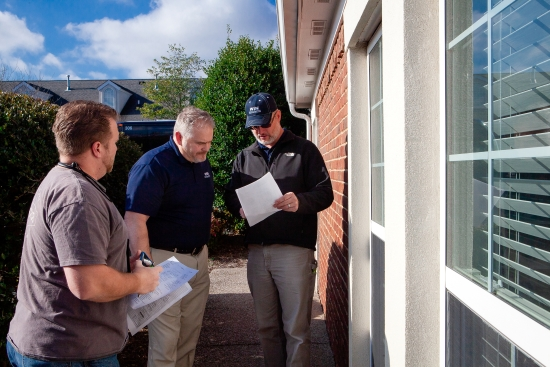
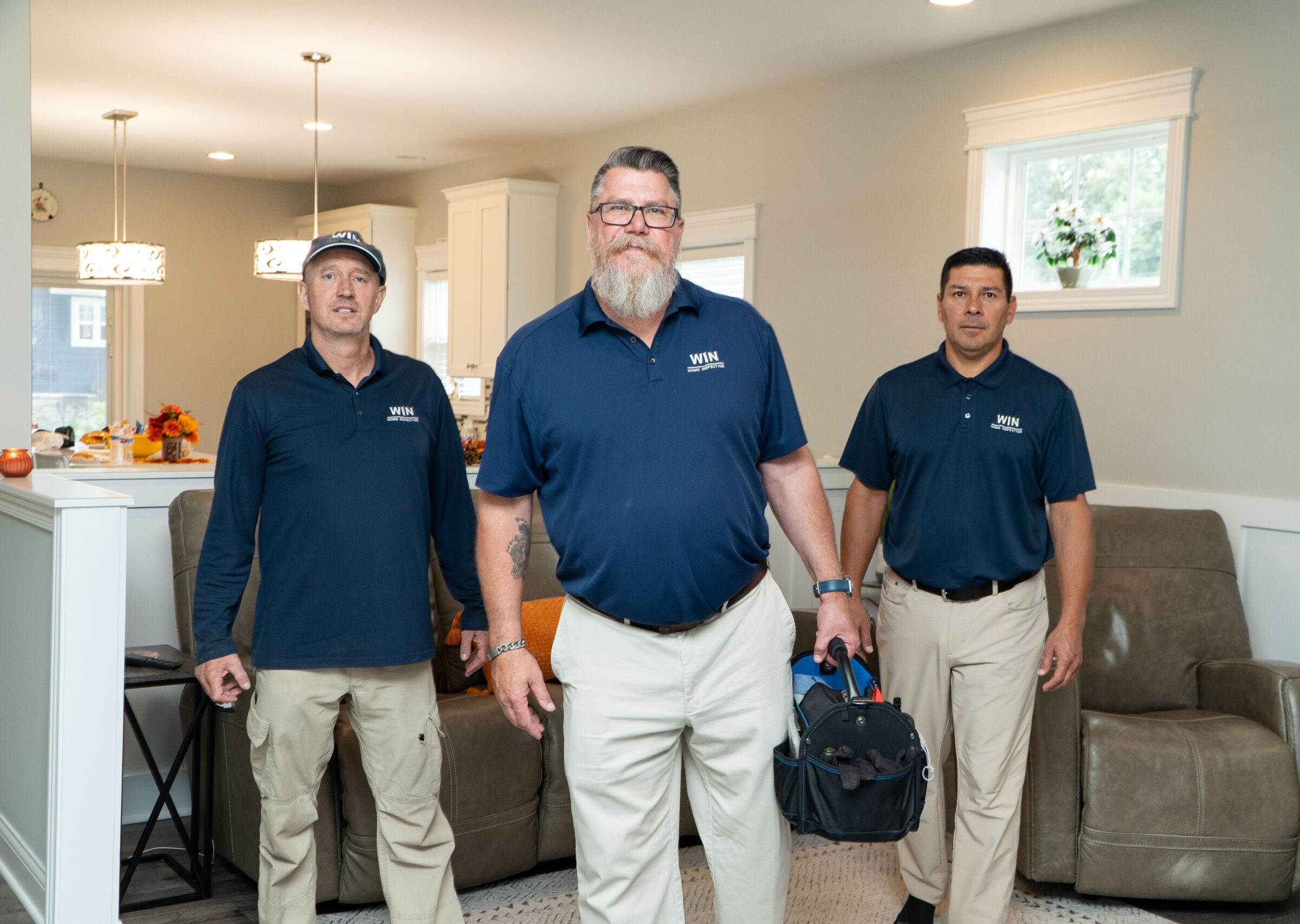
Home inspectors with the tool bag at a home

Massachusetts Home Inspector
Licensing Requirements

Earning your license is an exciting step toward building your own business, and the Board of Registration of Home Inspectors spells out exactly what it wants. The Board sits inside the Division of Occupational Licensure, and every application runs through the state’s ePLACE portal. Your 75 pre-licensure hours have to come from a board-approved school. That’s where WIN comes in, covering the business training and mentorship that licensing never touches. Here is what the full license requires.

Licensing Required

Yes, you need the Home Inspector License to inspect on your own, sign your reports, and run your own company.

Education Hours Required

75 hours from a board-approved provider, with set minimums for roofing, structure, electrical, plumbing, HVAC, report writing, ethics, and contract law.

Field Training Required

25 inspections with a licensed inspector present, then 100 more as an associate, plus at least one year in that associate role.

Exam Required

The National Home Inspector Examination (NHIE), administered by the Examination Board of Professional Home Inspectors.

Application Fee

$338 for the Home Inspector License, on top of the $225 you paid for the associate license.

Fingerprinting

Fingerprints are not required here, though you will submit a notarized CORI authorization form and a passport-style photo.

Continuing Education Hours

12 hours every two years, including four hours on the 266 CMR standards of practice and one hour on professional ethics.

License Renewal Cycle

Every two years, with all licenses expiring on May 31 of even-numbered years, and renewal costs $225.

The Path To Licensing

6 Steps to Become a Home Inspector
in Massachusetts

Take the first step toward becoming a licensed home inspector in Massachusetts. Here’s everything you need to launch a rewarding career.

https://wini.com/franchise/wp-content/uploads/2026/08/Steps.jpg

The Board does not leave the curriculum up to your school. It assigns nine hours each to structural, electrical, plumbing, and heating and cooling systems, six hours each to roofing, exterior cladding, masonry, report writing, and the 266 CMR regulations, and three hours each to professional ethics and contract law. The last three hours are yours to spend on whatever interests you. Check the Board’s published list of approved providers before you enroll anywhere, because hours from an unapproved school will not count.

Your supervisor needs to be a Massachusetts licensed home inspector in good standing, and direct supervision means they are on site with you for the whole job. Reports go to the client with your name, their name, and their license number on them. 

These have to be real fee-paid inspections, since mock walkthroughs will not count. Every three months your supervisor writes up an evaluation listing the inspections you completed and what you learned, so keep your own copies as you go. 

Massachusetts uses the NHIE as its board-approved exam, and you take it before applying for the associate license. You get four hours for 200 multiple choice questions covering property systems, inspection practice, and professional responsibilities. Register through the Examination Board of Professional Home Inspectors, then hold onto your score report for the application.

Everything goes through the DOL ePLACE portal with a $225 fee. You will upload your education certificate, your NHIE score report, your log of 25 supervised inspections, proof of errors and omissions insurance covering at least $250,000 in the aggregate, a notarized CORI form, and a recent passport-style photo.

Give the Board at least ten business days to review a complete file. Anything missing gets your application returned or denied, so it pays to double-check the list before you hit submit.

This is the stretch where you build real judgment. You need 100 inspections beyond your first 25, either directly or indirectly supervised, with your supervisor taking responsibility for what goes into each report. The one-year minimum stands even if you hit 100 inspections faster than that.

Use this window for your 12 hours of continuing education too. Those hours sit separate from your 75 pre-licensure hours, and the Board expects them with your upgrade application.

The home inspector application costs $338 through the same portal, submitted with your inspection logs, continuing education certificates, current insurance, and CORI form. Once it clears, you can finally advertise and operate under your own name.

Now comes the part nobody teaches in class. You will need a business entity registered with the Secretary of the Commonwealth, insurance kept active, reporting software you trust, and a steady source of clients. Plenty of inspectors work all of that out alone over a few lean years. Others would rather start with a model that already works, which is where franchise ownership comes in, with mentorship, marketing, technology, and advanced certifications included in the franchise model, so there are no outside schooling costs.

Massachusetts Market

Prepare for Massachusetts'
Unique Market

Massachusetts has some of the oldest housing in the country, so knob-and-tube wiring, tired heating systems, and buried oil tanks turn up regularly. Reported pay averages around $65,000, and two specialties keep inspectors busy here.

Title 5 Septic Inspections

Most property transfers in Massachusetts require a septic inspection from a DEP-approved system inspector, which is a separate certification well worth adding.


Radon Testing

The Department of Public Health recommends testing every home, and readings vary sharply from town to town, so buyers ask for it often.

You Don't Have to Figure This Out Alone

Getting licensed is just the first step. WIN backs you up with a proven brand, a national footprint, and decades of real operating experience, so you can focus your energy on growing the business, not figuring it out alone.

#1 Ranked

Home Inspection Franchise
For Four Years In A Row

41,000+

Positive Google Reviews
From Happy Clients

45 States

Presence Across
The Nation

Certified. Insured. Trusted.

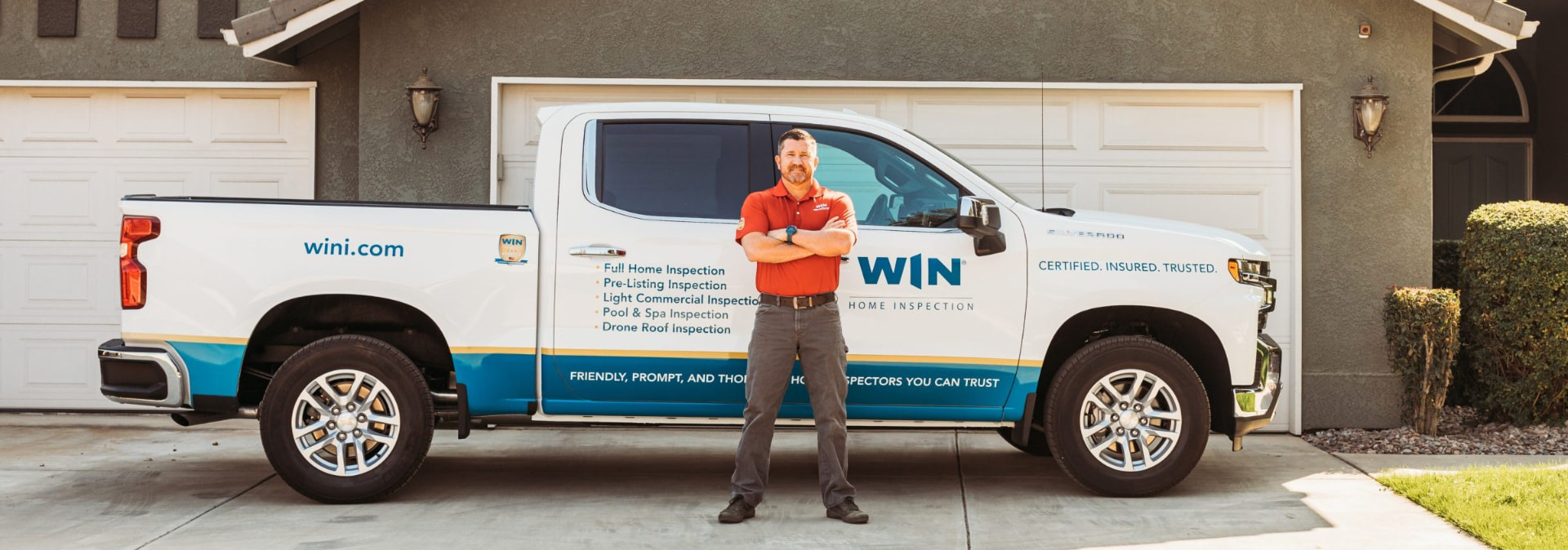
A Brand Massachusetts Homeowners Recognize On The Street

Every WIN franchise rolls out with the same recognizable identity, national trust, and proven playbook behind it.

WIN Home Inspection

Kickstart Your Home Inspection Business

If you’re serious about becoming a home inspector in Massachusetts but want to skip the trial-and-error of starting from scratch, explore becoming a franchise owner with WIN Home Inspection. WIN helps you navigate the entire Massachusetts path, guiding you far beyond the basics. Our in-house training program certifies you in 35+ essential services, including high-margin specialties like commercial property inspections, lead paint test, sewer scope inspections. These are highly sought-after skills across Massachusetts’s humid inland and storm-exposed coastal markets, allowing you to charge more per job and significantly increase your annual earnings. This comprehensive training is included in the franchise model, so there are no outside schooling costs. We provide the end-to-end marketing, proprietary technology, and ongoing support you need to build a highly profitable, multi-stream business from day one.

In Their Own Words

Hear Directly From WIN Strategic Partners

Tim Dornford
WIN Strategic Partner | Florida
Jeff Williams
WIN Strategic Partner | Washington
Michael Strickland
WIN Strategic Partner | Georgia
Dave Fisch
WIN Strategic Partner | Arizona
Now Expanding

Ready to Own Your Territory?

See where opportunities are available today and grow with WIN’s proven systems, 35+ essential services, and dedicated support team.

Boston
Worcester
Springfield
Cambridge
Lowell
Brockton
Quincy
Lynn
…and many more
Request Territory Info

Frequently Asked Questions

The average income of home inspectors in Massachusetts is around $66,000 per year, with a range from $32,000 to as high as $98,000 per year depending on experience.

Start with 75 hours of board-approved education, complete 25 inspections with a licensed inspector present, pass the National Home Inspector Examination, and apply for your associate license. After a year as an associate and 100 more supervised inspections, you can apply for the full home inspector license.

Yes, and the rule is strict. State law bars anyone from conducting a home inspection for compensation without a license from the Board of Registration of Home Inspectors. Associates may inspect under a licensed supervisor, and licensed architects and engineers are exempt when working within their own professions.

The full license calls for a high school diploma or equivalent, 75 hours of board-approved education, a passing NHIE score, 125 supervised inspections, at least one year as a licensed associate, 12 hours of continuing education, errors and omissions coverage of at least $250,000, and the $338 fee.

It is the first license you earn, and it lets you get paid for inspections while you build experience. Associates work under a licensed supervisor whose name and license number appear on every report. You cannot advertise as a home inspector or operate your own inspection company until you upgrade.

You need 75 hours from a board-approved provider. The Board sets the topics itself, including nine hours each for structural, electrical, plumbing, and HVAC systems, six each for roofing, exterior cladding, masonry, report writing, and state regulations, and three each for ethics and contract law.

Massachusetts expects your pre-licensure training to happen in person. The Board's licensure-by-endorsement instructions specify in-person hours, and self-paced online courses are generally not accepted for pre-licensure or continuing education. Check out the format against the Board's approved provider list before paying for a course.

The state requires 25, with your supervisor physically present for the entire inspection and only one trainee per job. Mock inspections do not count toward that total, so everyone must be a genuine fee-paid inspection.

Errors and omissions coverage of at least $250,000 in the aggregate, and you need it for both the associate and the full license. The policy has to stay active for ten days after the Board receives written notice of cancellation, and you cannot use contract language to cap your liability for negligent errors.

Spend at least one year as a licensed associate, complete 100 inspections beyond your original 25 under direct or indirect supervision, and finish 12 hours of continuing education. Then file the home inspector application through ePLACE with your logs, CE certificates, insurance, CORI form, and the $338 fee.

State fees come to $563 in total, which is $225 for the associate license and $338 for the full one. Course tuition, the NHIE fee, continuing education, and insurance all sit on top of that. The one-year associate requirement sets your floor, and most people go from first class to full license in about eighteen months to two years.

Renewal comes around every two years, with licenses expiring on May 31 of even-numbered years no matter when yours was issued. The fee is $225, a late renewal adds $57, and everything is submitted through the ePLACE portal.

You need 12 hours in the 24 months before each renewal. At least four of those hours must cover the 266 CMR regulations and standards of practice, and one hour has to address professional ethics. Licenses issued mid-cycle get prorated at one hour per two months, only courses taken inside the cycle count, and the Board can audit your records.

Disclaimer: Requirements are set by the state regulator and are subject to change. This information is provided as a general guide and is reviewed regularly, but regulations can change at any time. WIN Home Inspection assumes no liability for any errors, omissions, or outdated details, and we recommend confirming the latest requirements directly with the relevant state agency before you apply.

Scroll to Top
BOOK A FREE
CONSULTATION
Looking for financial freedom? We can help!