




How to Become a
Home Inspector in
Utah

Licensing Hub

Exploring a different state?

Switch states to see licensing requirements, steps, fees, and FAQs.

Getting Started

Your Path to Becoming a Home Inspector in Utah

Utah’s housing market is growing fast, which creates a real opportunity for people starting a home inspection career. Inspectors here need to understand the state’s specific conditions. Along the Wasatch Front, you’ll check for damage from heavy snow loads. In the southern deserts, you’ll look for problems caused by shifting expansive soil.

Recent legislation made home inspection an officially licensed trade in Utah. Getting your state license shows you meet that standard and helps you build a solid, long-term business.

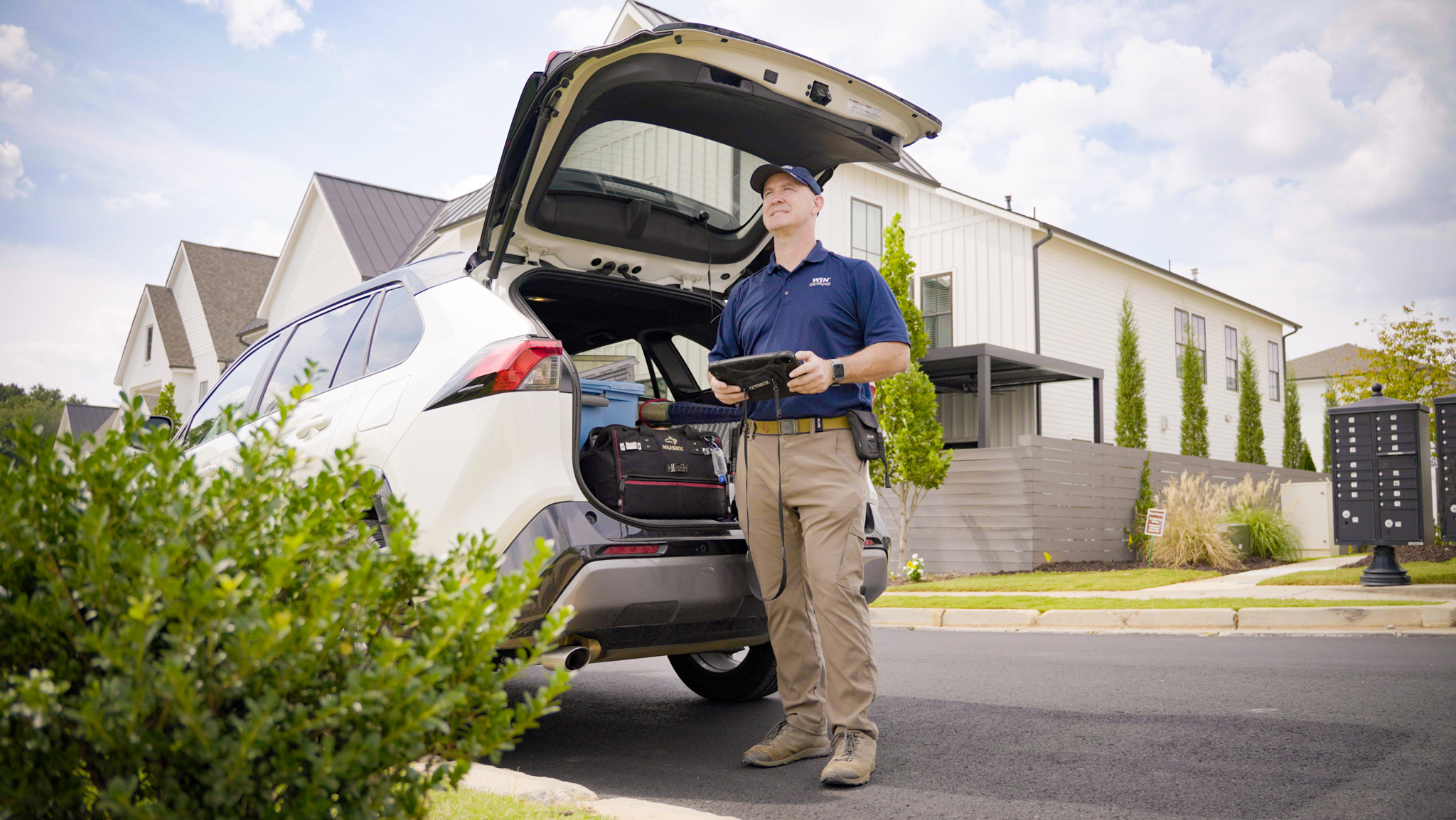
Home inspectors with the tool bag at a home

Utah Home Inspector
Licensing Requirements

Becoming a licensed private home inspector in Utah involves earning a recognized national certification, securing the required insurance, and applying for your license through the state. With training, guidance, and ongoing support from WIN, you can complete each step and build the skills and confidence to start your home inspection business. Here are the key requirements:

Licensing Required

Yes (effective May 2026). Issued by the Utah Division of Professional Licensing (DOPL).

Education Hours Required

None mandated directly by the state; you must fulfill the education requirements of your chosen certification organization (ASHI, InterNACHI, or ICC).

Field Training Required

None set by the state (dictated by your certification organization).

Exam Required

No separate state licensing exam. National exams required for ASHI, InterNACHI, or ICC certification.

Application Fee

$85 initial application fee.

Fingerprinting

Yes. A fingerprint-based criminal background check (through the Utah BCI and FBI) is required.

Continuing Education Hours

24 hours every two years, which must include 3 hours specifically dedicated to Utah law and regulations.

License Renewal Cycle

Every 2 years. Licenses expire on November 30 of odd-numbered years (the renewal fee is $64).

The Path To Licensing

5 Steps to Become a Home Inspector in Utah

Take the first step toward becoming a licensed home inspector in Utah. Here’s everything you need to launch a rewarding career.

https://wini.com/franchise/wp-content/uploads/2026/08/Steps.jpg

The Utah Division of Professional Licensing (DOPL) requires a national certification, so your first step is to complete a home inspector training program. This training should cover the main home systems: roofing, electrical, plumbing, HVAC, and structure. That knowledge will help you meet the standards set by national associations.

Utah law, House Bill 58, requires applicants to hold a current certification from one of three organizations: the American Society of Home Inspectors (ASHI), the International Association of Certified Home Inspectors (InterNACHI), or the International Code Council (ICC), as a Residential Combination Inspector. To get certified, you must pass a national exam, such as the NHIE, and meet each organization’s membership requirements.

Before you apply for your state license, you need business insurance. Utah law requires home inspectors to carry two types of insurance: General Liability and Errors & Omissions (E&O). Each policy must cover at least $500,000. You also need to list the Utah DOPL as the certificate holder on both policies.

Once you have your certification and insurance certificates, you can submit your Private Home Inspector application to the Utah Division of Professional Licensing (DOPL). The state requires all practicing inspectors to be formally registered before they can legally work.

Meeting your state’s licensing requirements is just the first step in building a home inspection career. Next, you’ll decide whether to start your own business or join an established company. If you want extra support, WIN Home Inspection offers state-specific training, business mentorship, marketing resources, technology, and ongoing guidance to help inspectors launch and grow their businesses.

Utah Market

Utah Market Nuances:
Climate and Construction Factors

To run a successful home inspection business in Utah, your technical skills should match the state’s varied geography and building conditions:

Heavy Snow Loads and Ice Damming

Mountain communities and northern cities get severe winters. You’ll need to check roof structures for snow load capacity, look for inadequate attic insulation, and spot ice dam damage.


High Radon Potential

Utah’s mountainous, uranium-rich geology leads to elevated radon levels in many home basements. Offering radon testing as an add-on service is a good idea, since demand for it is high.

Expansive Soils in Arid Regions

In southern areas like St. George, dry climates and expansive soils can cause concrete to settle unevenly. Inspectors need to carefully check concrete flatwork, driveway heaving, and foundation shifts. 

You Don't Have to Figure This Out Alone

Getting licensed is just the first step. WIN backs you up with a proven brand, a national footprint, and decades of real operating experience, so you can focus your energy on growing the business, not figuring it out alone.

#1 Ranked

Home Inspection Franchise
For Four Years In A Row

41,000+

Positive Google Reviews
From Happy Clients

45 States

Presence Across
The Nation

Certified. Insured. Trusted.

A Brand Utah Homeowners Recognize On The Street

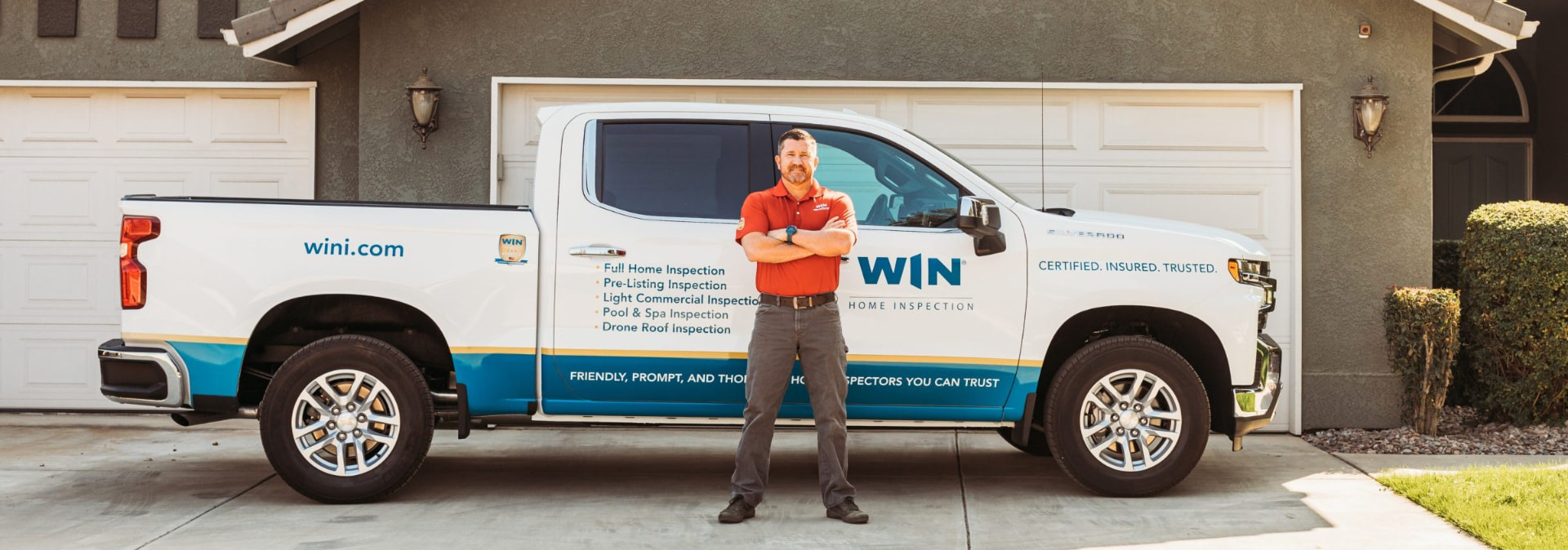
Every WIN franchise rolls out with the same recognizable identity, national trust, and proven playbook behind it.

WIN Home Inspection

Kickstart Your Home Inspection Business

If you’re serious about becoming a home inspector in Utah but want to skip the trial-and-error of starting from scratch, explore becoming a franchise owner with WIN Home Inspection. WIN helps you navigate the entire Utah path, guiding you far beyond the basics. Our in-house training program certifies you in 35+ essential services. This includes high-margin specialties like radon testing, sewer scope inspections, and mold testing. These are highly sought-after skills in Utah that allow you to charge more per job and significantly increase your annual earnings. This comprehensive training is included in the franchise model, so there are no outside schooling costs. We provide the end-to-end marketing, proprietary technology, and ongoing support you need to build a highly profitable, multi-stream business from day one.

In Their Own Words

Hear Directly From WIN Strategic Partners

Tim Dornford
WIN Strategic Partner | Florida
Jeff Williams
WIN Strategic Partner | Washington
Michael Strickland
WIN Strategic Partner | Georgia
Dave Fisch
WIN Strategic Partner | Arizona
Now Expanding

Ready to Own Your Territory?

See where opportunities are available today and grow with WIN’s proven systems, 35+ essential services, and dedicated support team.

Salt Lake City
West Valley City
West Jordan
Provo
St. George
Lehi
Orem
Sandy
…and many more
Request Territory Info

Frequently Asked Questions

Home inspectors in Utah earn an average of $61,000 annually or $29 per hour. High earners can make up to $86,500 annually, while entry-level inspectors earn at least $28,500 per year.

To become a home inspector in Utah, get a national certification from ASHI, InterNACHI, or ICC by completing training and passing an exam like the NHIE. Then secure General Liability and E&O insurance, each with $500,000 in coverage. Submit your Private Home Inspector application to the Utah DOPL, and you're ready to start working.

Yes. As of 2026, Utah requires home inspectors to be licensed. You need a national certification from ASHI, InterNACHI, or ICC, plus General Liability and E&O insurance with $500,000 in coverage. Once you have those, you submit your Private Home Inspector application to the Utah Division of Professional Licensing (DOPL).

To get a Utah home inspector license, you need certification from ASHI, InterNACHI, or ICC, plus General Liability and E&O insurance with $500,000 in coverage. Then submit your application to the Utah DOPL. Franchise like WIN Home Inspection offers training and business support to help you meet these requirements and get started.

Utah's law, House Bill 58, created the Private Home Inspector license in 2025, with the requirement taking effect January 1, 2026. Before that, Utah had no mandatory licensing for home inspectors, so anyone could offer inspection services without state oversight.

Yes. Utah law requires you to hold a current certification from one of three organizations: ASHI, InterNACHI, or ICC as a Residential Combination Inspector. You choose which one to pursue, but you need certification from at least one to get your Utah home inspector license.

No. Utah's law doesn't set a fixed number of training hours. Instead, it requires certification from an approved organization, such as ASHI, InterNACHI, or ICC. Each organization sets its own training and exam requirements to earn that certification.

Utah doesn't directly require the NHIE, but it does require certification from ASHI, InterNACHI, or ICC, and most of these organizations require you to pass the NHIE as part of certification. WIN Home Inspection offers training that helps prepare you for certification exams like the NHIE.

Utah requires two types of insurance for a home inspector license: General Liability and Errors & Omissions (E&O). Each policy needs a minimum of $500,000 in coverage. You also need to list the Utah Division of Professional Licensing (DOPL) as the certificate holder on both policies.

The Utah DOPL charges $85 for a Private Home Inspector license, with a $63 renewal fee. This doesn't include costs for national certification, training, or the required liability and E&O insurance, which add to your total startup expenses. Check DOPL's current fee schedule for any updates.

The Utah DOPL typically processes complete applications within seven business days. Submitting all required documents, including certification proof and insurance certificates, helps avoid delays.

To renew your Utah Private Home Inspector license, submit your renewal application to the DOPL, pay the renewal fee, and keep your General Liability and E&O insurance active. Maintain your national certification, since DOPL requires it throughout your licensure.

Yes. Out-of-state inspectors can apply for a Utah license. You'll still need current national certification (ASHI, InterNACHI, or ICC) and the required insurance. Check with the Utah DOPL directly, since reciprocity terms for this new license are still being finalized.

Disclaimer: Requirements are set by the state regulator and are subject to change. This information is provided as a general guide and is reviewed regularly, but regulations can change at any time. WIN Home Inspection assumes no liability for any errors, omissions, or outdated details, and we recommend confirming the latest requirements directly with the relevant state agency before you apply.

Scroll to Top
BOOK A FREE
CONSULTATION
Looking for financial freedom? We can help!